15 Screened In Back Porch Ideas: Transform Your Outdoor Space Into a Cozy Retreat
Picture this — warm summer evenings, a cool breeze, and zero mosquitoes ruining your peace. That’s exactly what a screened in back porch delivers. More and more American homeowners are turning their plain backyards into stunning outdoor living spaces that work year-round. Whether you want a cozy reading nook or a full entertainment zone, screened porch designs can do it all.
Why a Screened In Back Porch Is Worth Every Penny
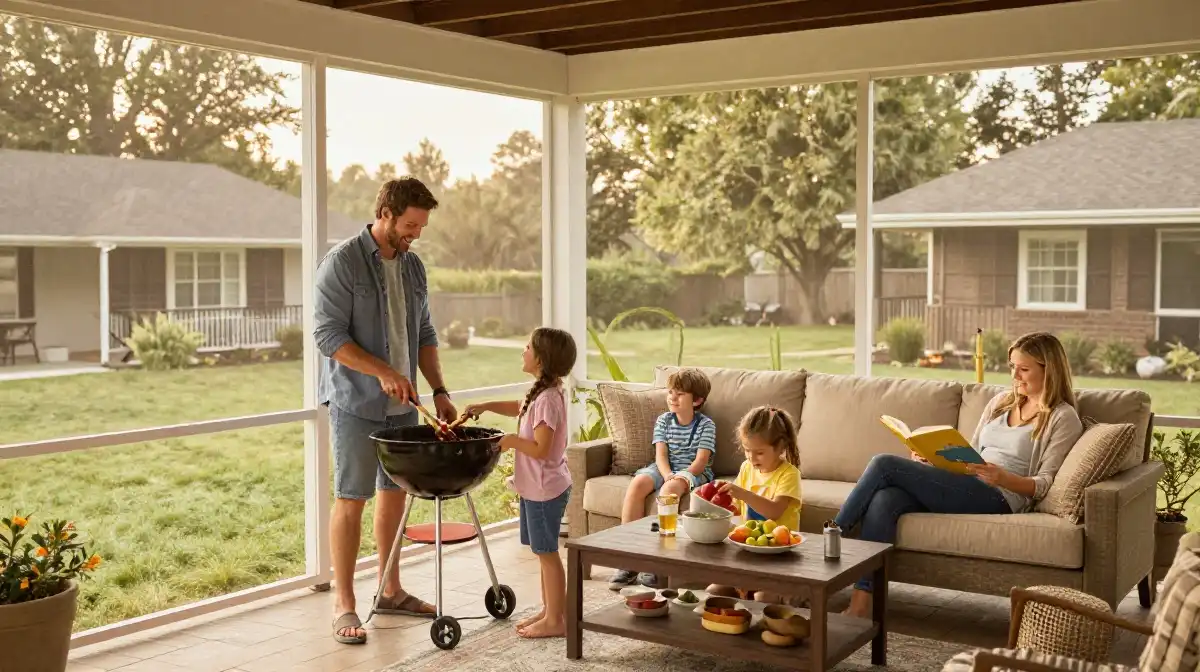
A screened in back porch is one of the smartest home investments you can make. According to the National Association of Realtors, outdoor living improvements can return up to 70–80% of their cost at resale. That’s real money. Beyond dollars, it dramatically improves how you use your home — giving you a bug-free outdoor space that feels like a true extension of your interior.
Think about your current backyard. You probably use it less than you’d like because of bugs, sun, or rain. A backyard screened enclosure solves all three. It shields you from insects, filters harsh UV rays, and lets you sit outside during a light drizzle. Families across the South and Midwest especially love this addition because summers are long and the bugs are relentless.
| Benefit | Details |
|---|---|
| Bug-free enjoyment | Full insect protection with mesh screening |
| Weather protection | Shields from rain, wind, and strong UV rays |
| Increased home value | Up to 70–80% ROI on investment |
| Extended usable space | Adds functional square footage to your home |
| Year-round use | Especially when combined with heating/cooling |
Best Screened In Back Porch Design Styles for Every Home
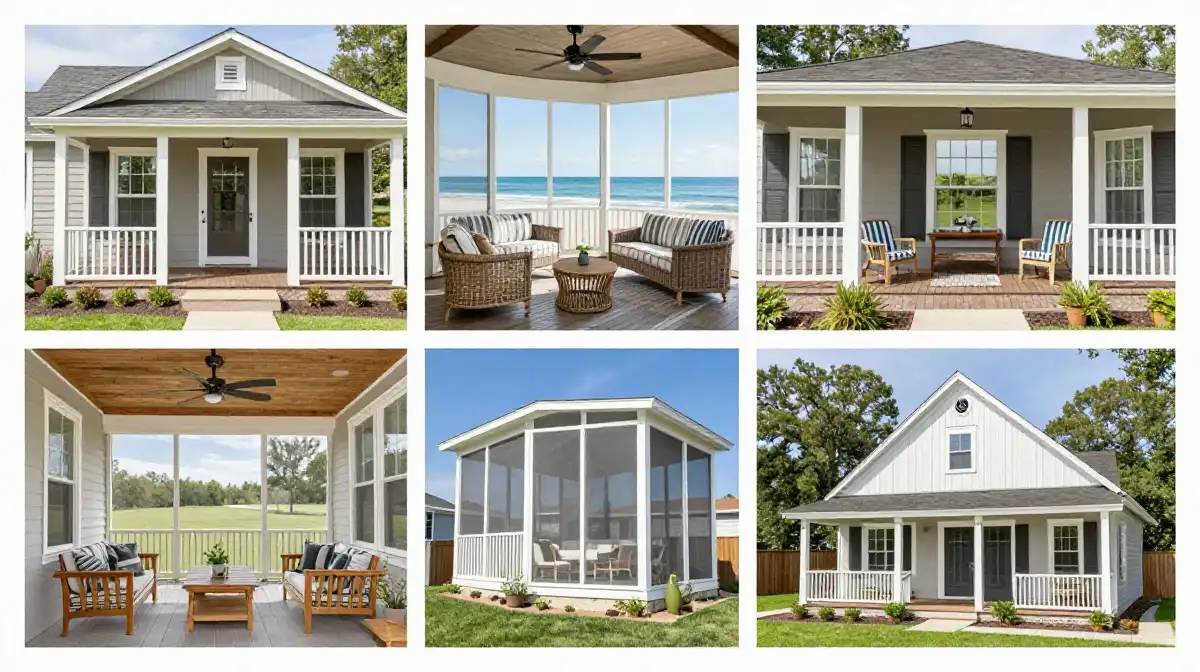
Great screened porch designs don’t come in one-size-fits-all. Your home’s architecture should guide your style choice. A Colonial-style house looks stunning with a wraparound screened veranda featuring white columns and classic railings. A modern farmhouse, on the other hand, pairs beautifully with dark-framed screens and shiplap ceiling details.
The most popular design styles in the USA right now include craftsman, contemporary, coastal, rustic, and transitional. Coastal screened porch designs favor light blues, natural rattan furniture, and sheer white curtains. Craftsman styles lean into wood beams, stone accents, and earth tones. Whatever your preference, the key is making sure the porch feels like it belongs to the house — not like an afterthought bolted onto the back.
| Style | Key Features | Best For |
|---|---|---|
| Craftsman | Wood beams, stone, earth tones | Traditional homes |
| Coastal | Light blues, rattan, sheer fabrics | Beach or lake homes |
| Contemporary | Clean lines, metal frames, neutral palette | Modern homes |
| Farmhouse | Shiplap, board-and-batten, vintage accents | Rural or suburban |
| Transitional | Mix of classic and modern | Most home types |
DIY Screened In Back Porch Ideas on a Budget
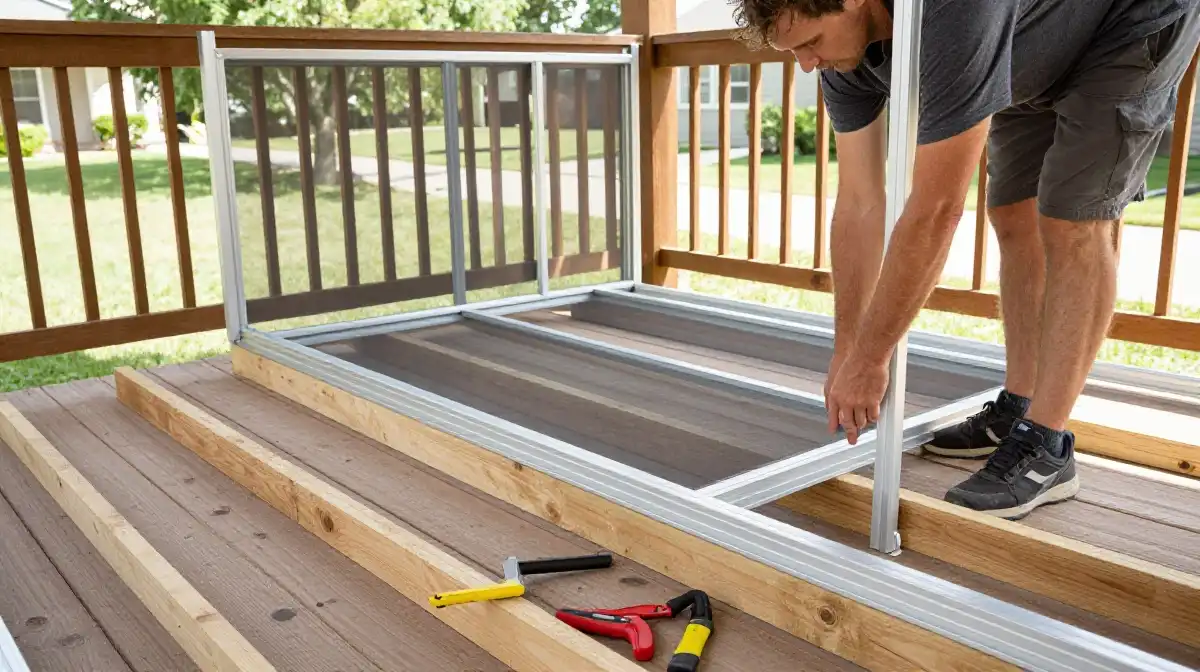
You don’t need a huge budget to build a gorgeous DIY screened porch. Plenty of handy homeowners across America have built beautiful enclosed back porch spaces for under $3,000. The trick is knowing where to spend and where to save. Spend on quality fiberglass screen panels and a solid aluminum screen frame — these are the bones of the structure and cutting corners here costs you later.
Save money by doing your own demo, painting, and finishing work. Pre-assembled screen kits from home improvement stores like Home Depot or Lowe’s cut labor costs significantly. Many YouTube tutorials walk you through the entire process step by step. A basic DIY screened porch using pressure-treated lumber and standard screen mesh can be completed in a single weekend by two people with moderate skill.
Budget Breakdown for a DIY Screened Porch (Average 200 sq ft):
| Item | Estimated Cost |
|---|---|
| Lumber (pressure-treated) | $400–$700 |
| Screen mesh and frame | $200–$500 |
| Roofing materials | $300–$600 |
| Concrete footings | $100–$300 |
| Hardware and fasteners | $100–$200 |
| Paint and finish | $50–$150 |
| Total Estimated Cost | $1,150–$2,450 |
Small Screened In Back Porch Ideas That Maximize Space
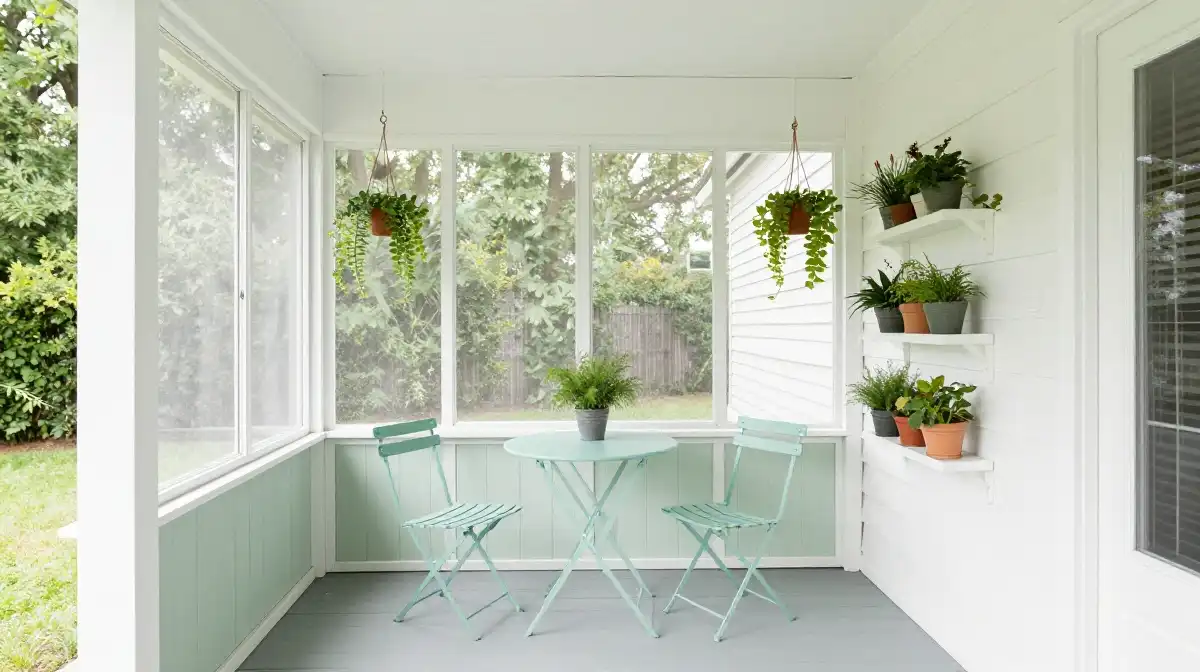
Small doesn’t mean cramped. Some of the most charming screened patio ideas come from compact spaces that make every square foot count. If you’re working with less than 150 square feet, vertical design is your best friend. Use wall-mounted shelves, hanging plants, and fold-down furniture to keep the floor clear and the space feeling open.
A tight footprint benefits enormously from a consistent color palette — light greens, whites, and soft grays make small screened porches feel airy. Multi-functional pieces are essential: an ottomn that doubles as storage, a bistro table that folds flat, a hanging daybed that tucks against the wall. Even a 10×12 insect-proof porch enclosure can comfortably seat four people when designed with intention.
you may can also like this :15 Elegant Halloween Decor: Sophisticated Ideas to Transform Your Home This Season
Screened In Back Porch Ideas With a Fireplace or Fire Pit
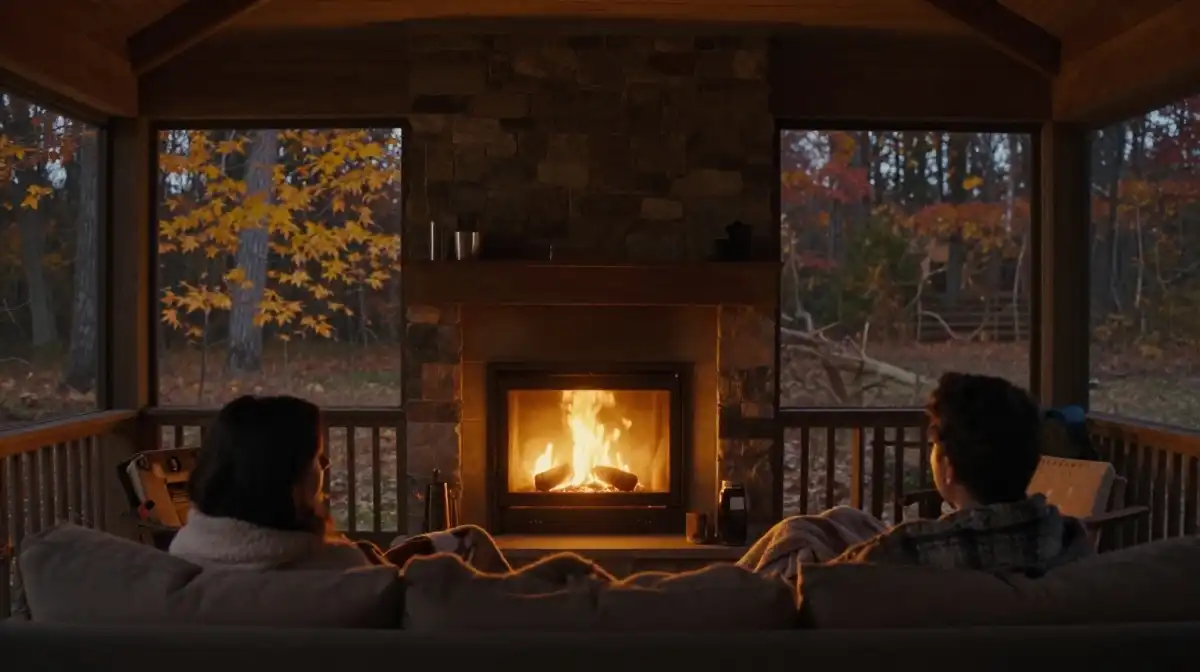
A screened porch with fireplace takes your outdoor space to a whole new level. Imagine cool October nights in Tennessee, sitting on your porch with a crackling fire — absolute bliss. Gas fireplaces are the most practical choice for screened spaces because they produce no flying sparks that could damage screen mesh. Electric fireplace inserts also work well and require zero ventilation.
Built-in fire pits on a screened porch need proper ventilation planning. Work with a licensed contractor to ensure smoke exits safely through vents or a chimney. Some homeowners opt for retractable screen systems on one wall so they can open up to the backyard when a wood-burning fire is in use. The warmth and ambiance a fireplace adds to a screened porch is, quite simply, unmatched.
Modern Screened In Back Porch Ideas for Contemporary Homes
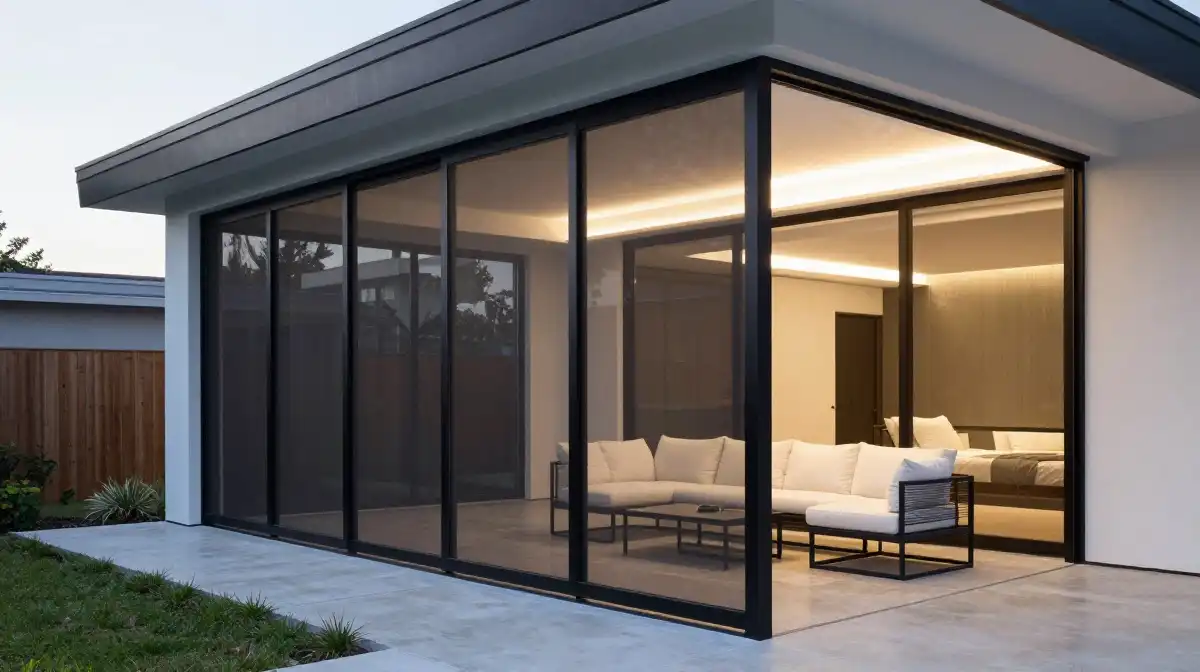
Modern screened patio ideas favor clean geometry, minimal ornamentation, and high-contrast materials. Think black aluminum screen frame against white stucco walls, polished concrete floors, and sleek steel furniture. Large-format screens that span floor to ceiling give a glass-house effect while still blocking every insect. Solar screen porch panels are especially popular in modern builds because they reduce glare without blocking the view.
Integrated LED lighting, hidden ceiling fans, and smart home controls are hallmarks of the contemporary screened porch. Many modern homeowners connect their outdoor furniture for screened porch setup to a Sonos speaker system and automated shading. The goal is a space that feels effortlessly sophisticated — where technology disappears into the design and nature takes center stage.
Rustic and Farmhouse Screened In Back Porch Designs
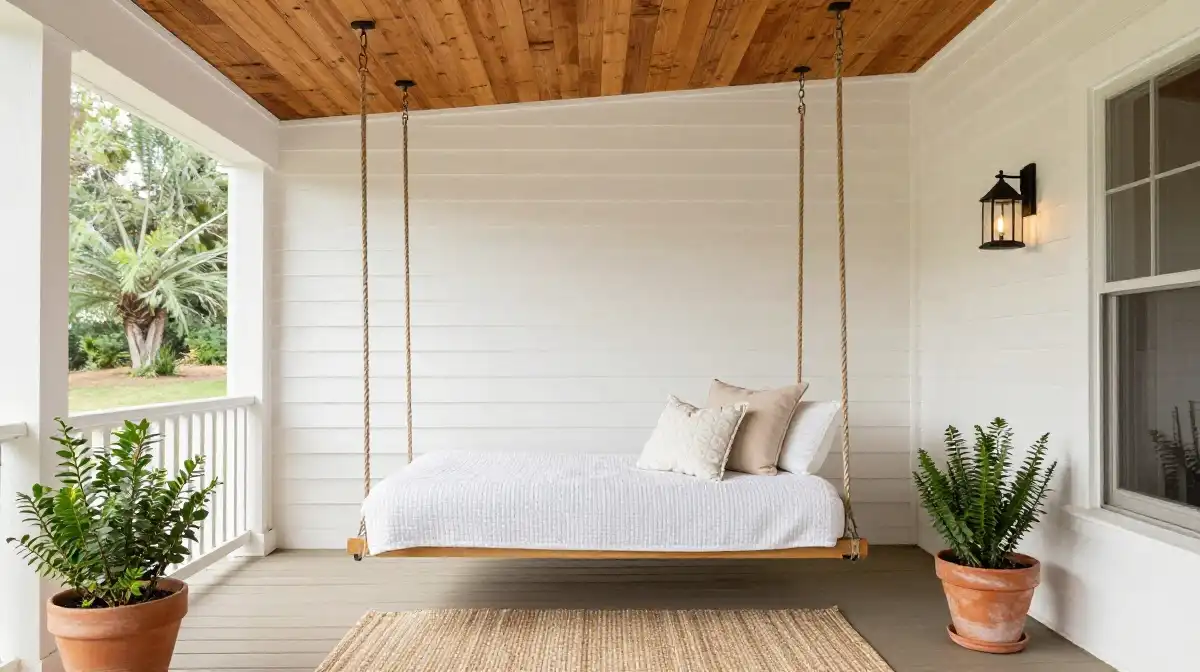
Rustic charm never goes out of style. Farmhouse screened porch designs lean heavily on reclaimed wood, galvanized metal accents, and vintage-inspired accessories. A wraparound screened veranda with cedar tongue-and-groove ceilings and rope-hung pendant lights captures that beloved American countryside aesthetic. Shiplap walls in white or greige paint tie the whole look together beautifully.
Swing beds — those oversized hanging daybeds you keep seeing on Pinterest — are basically the signature piece of the farmhouse screened porch. Pair one with a quilted cotton throw, a stack of throw pillows, and a reclaimed coffee table, and you’ve got a space that feels genuinely lived-in and welcoming. Natural materials like jute rugs, terracotta pots, and wicker chairs complete the screened porch decor effortlessly.
Best Flooring Options for Your Screened In Back Porch
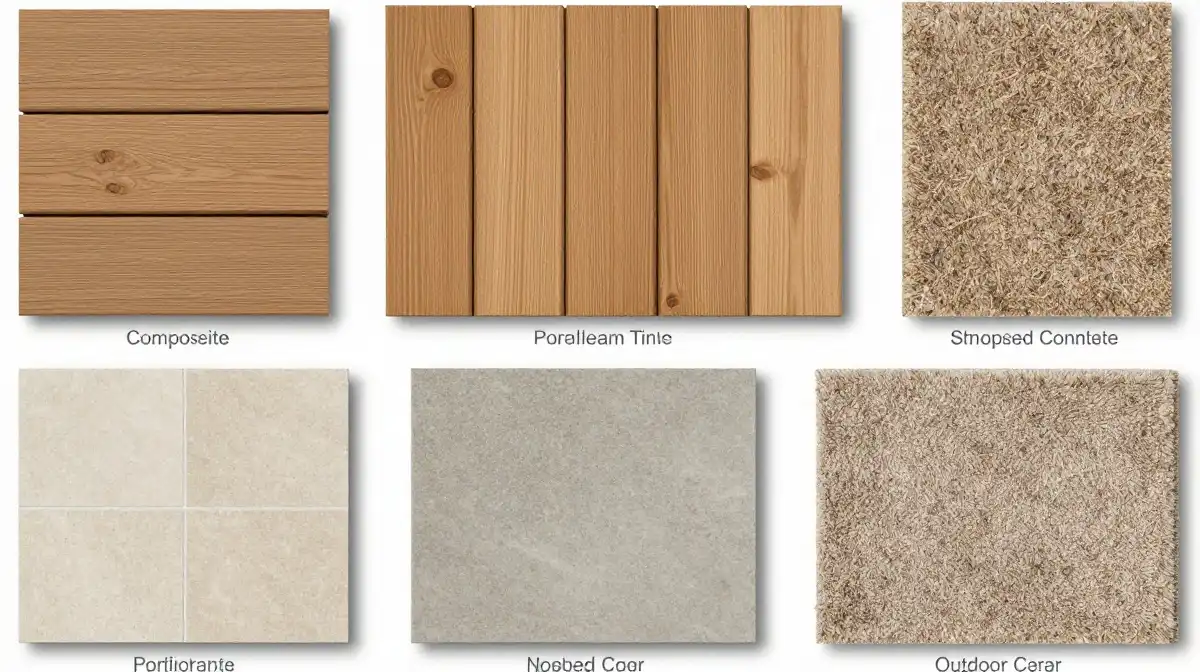
Flooring makes or breaks a screened porch. The right porch flooring options must handle moisture, temperature swings, heavy foot traffic, and still look great. Composite decking is the most popular choice across the USA because it resists rot, splinters, and fading without needing much maintenance. Porcelain tile is a close second — especially in Southern states where the aesthetic leans toward screened lanai ideas with a resort feel.
Natural wood like cedar or redwood brings warmth but demands annual sealing. Concrete with a stamped or stained finish is highly durable and endlessly customizable. Outdoor carpet tiles offer a soft underfoot feel and are surprisingly weather-resistant. Whatever material you choose, ensure proper drainage slope — at least ¼ inch per foot — so water doesn’t pool during rainstorms.
| Flooring Option | Durability | Maintenance | Cost per Sq Ft |
|---|---|---|---|
| Composite Decking | Excellent | Low | $4–$8 |
| Porcelain Tile | Excellent | Low | $3–$7 |
| Natural Wood | Good | High | $5–$12 |
| Stamped Concrete | Excellent | Low | $6–$15 |
| Outdoor Carpet | Fair | Medium | $1–$4 |
Screened In Back Porch Furniture and Decor Ideas
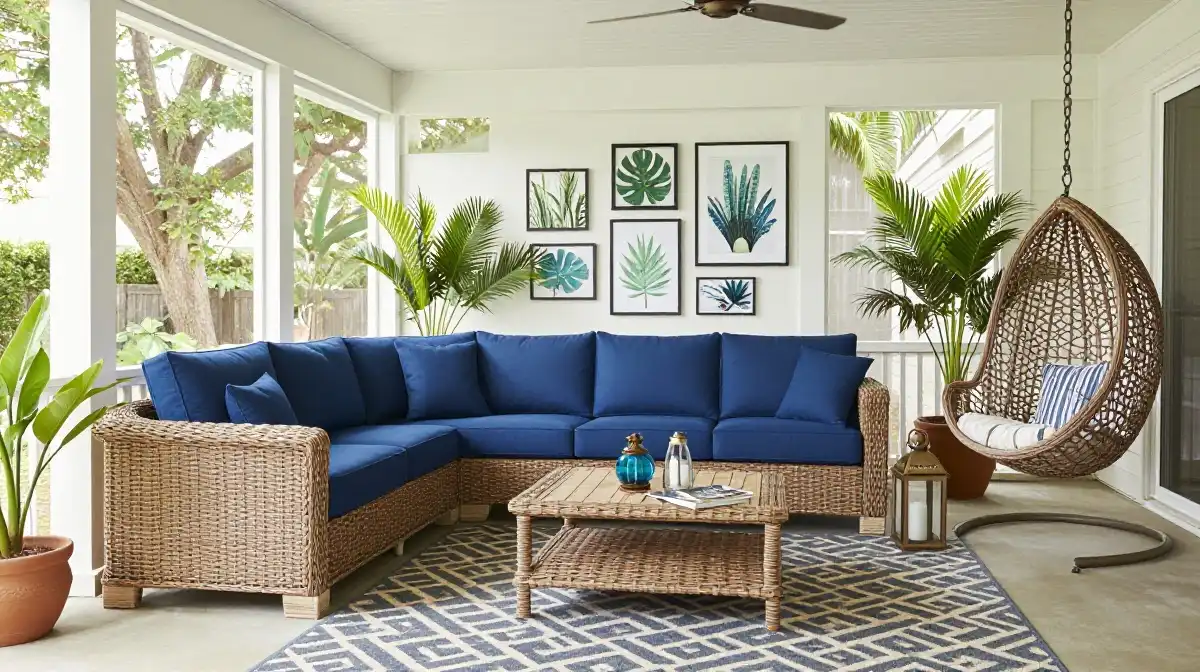
Furnishing your screened in back porch is where the real fun begins. Outdoor furniture for screened porch spaces should balance comfort, durability, and style. All-weather wicker with deep-cushion seating is perennially popular. Teak sectionals offer a premium look that weathers beautifully over time. For a more relaxed vibe, hammock chairs and hanging egg chairs are having a major moment right now.
Screened porch decor goes beyond furniture. Layering a space with indoor-outdoor rugs, potted plants, lanterns, throw pillows, and decorative trays gives it personality. Mirrors hung on solid walls create the illusion of more space. Gallery walls with outdoor-rated art or botanical prints add a sophisticated touch. The key rule: treat your screened porch like an interior room — because that’s exactly what it is.
Lighting Ideas to Make Your Screened Porch Glow at Night
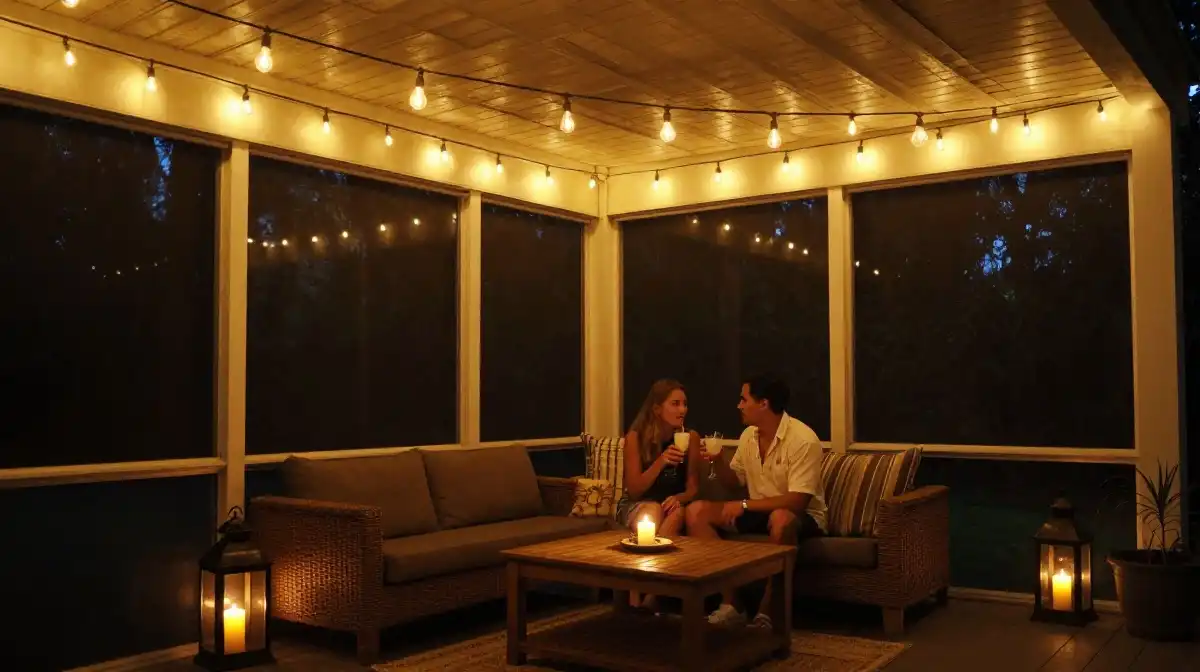
Lighting transforms a screened porch after dark. Screened porch lighting ideas fall into three categories: ambient, task, and accent. Ambient lighting — like recessed ceiling lights or flush-mount fixtures — provides overall illumination. Task lighting near a dining table or reading chair helps you actually see what you’re doing. Accent lighting highlights plants, artwork, or architectural details.
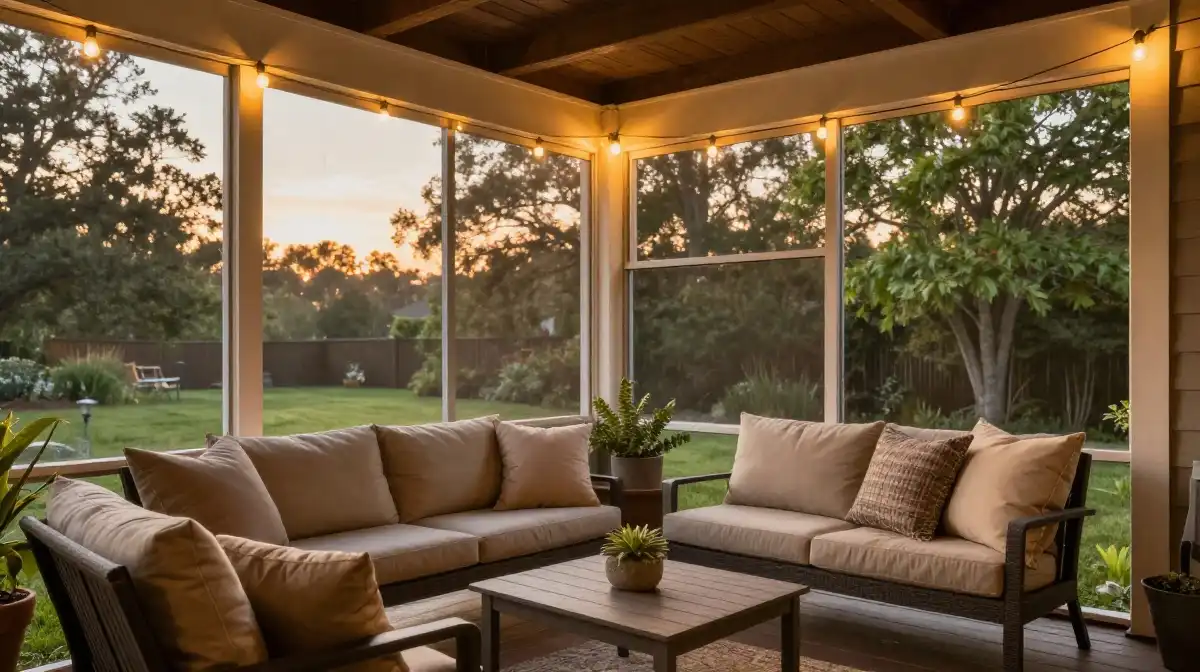
String lights remain the reigning champion of back porch renovation projects for a reason — they’re affordable, warm, and deeply atmospheric. Edison bulb strings draped across the ceiling create a café feel that guests universally love. Combine them with solar-powered path lights outside the screen enclosure and a few candle lanterns on the coffee table, and you’ve created something truly magical for under $200.
Screen Material Options: Which One Is Right for Your Porch?
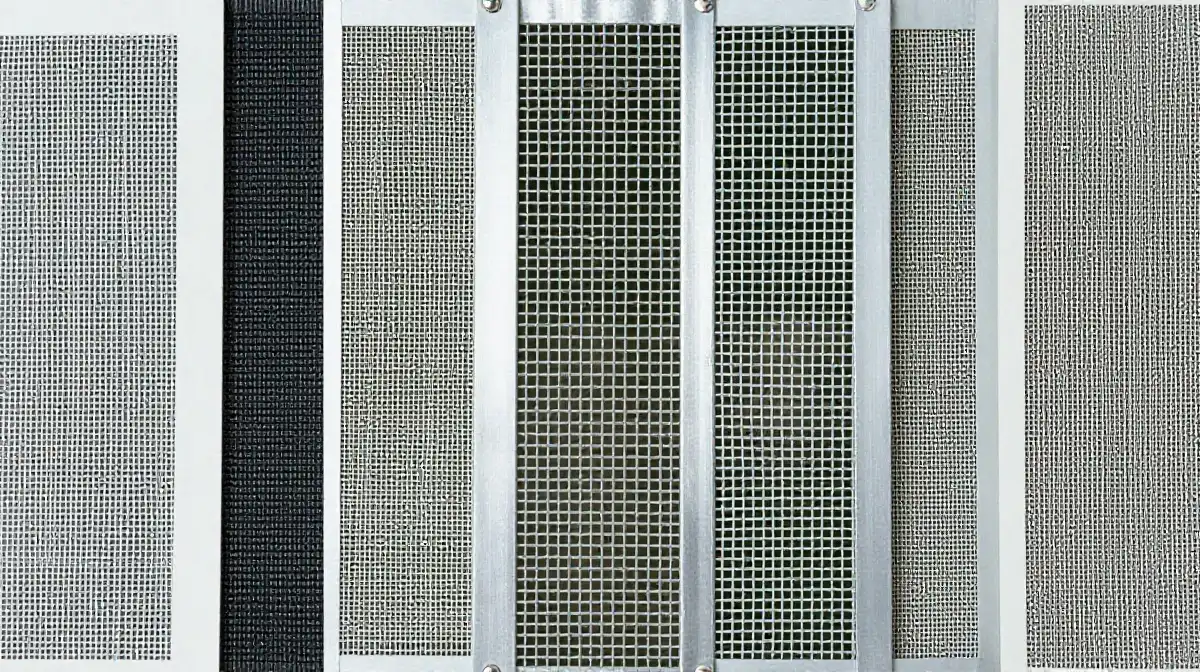
Choosing the right screen is more important than most people realize. The porch screening options available today go far beyond basic fiberglass mesh. Each type offers different levels of visibility, insect protection, pet resistance, and UV filtering. Here’s a breakdown of the most popular screen mesh types for porch applications in the USA.
Fiberglass screen is the most affordable and widely used. It’s flexible, rust-resistant, and easy to install. Solar screen porch panels block up to 90% of UV rays and significantly reduce heat gain — perfect for sun-drenched Southern porches. Pet-resistant screen mesh is woven from heavy vinyl-coated polyester and can withstand scratching from dogs and cats. Aluminum screen is stiff and highly durable but can dent. For maximum view clarity, no-see-um mesh has a tighter weave that blocks tiny gnats and midges in addition to mosquitoes.
| Screen Type | Best For | Visibility | Cost (per sq ft) |
|---|---|---|---|
| Standard Fiberglass | General use | Good | $0.15–$0.40 |
| Solar Screen | Hot/sunny climates | Reduced | $0.50–$1.20 |
| Pet-Resistant Mesh | Pet owners | Good | $0.60–$1.50 |
| Aluminum Screen | High durability | Good | $0.25–$0.60 |
| No-See-Um Mesh | Tiny insect areas | Slightly reduced | $0.40–$0.90 |
Screened In Back Porch Ideas With Ceiling Fans and Ventilation
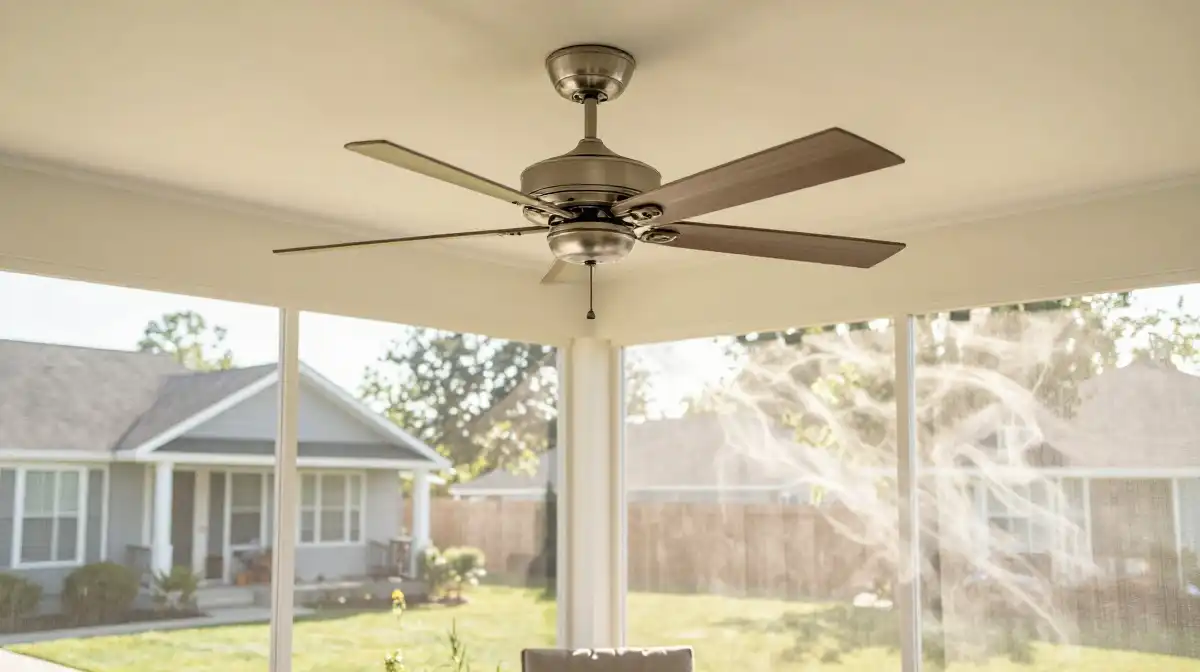
Air circulation matters enormously in a screened porch. Porch ceiling fans serve double duty — they keep you cool in summer and, when reversed in winter, push warm air down from the ceiling. For a standard 12×16 porch, a 52-inch fan with a damp-rated motor is the sweet spot. Damp-rated fans handle humidity without corroding; wet-rated fans withstand direct water exposure.
Proper ventilation planning also involves the screen placement itself. Strategically positioning open screen panels on opposing walls encourages cross-ventilation that dramatically reduces indoor temperatures. In humid climates like Florida or Louisiana, some homeowners also install a small exhaust fan near the ceiling peak to pull stale air out. Combined with natural breezes through the backyard screened enclosure, this system keeps your porch comfortable even on humid summer days.
How to Add Privacy to Your Screened In Back Porch
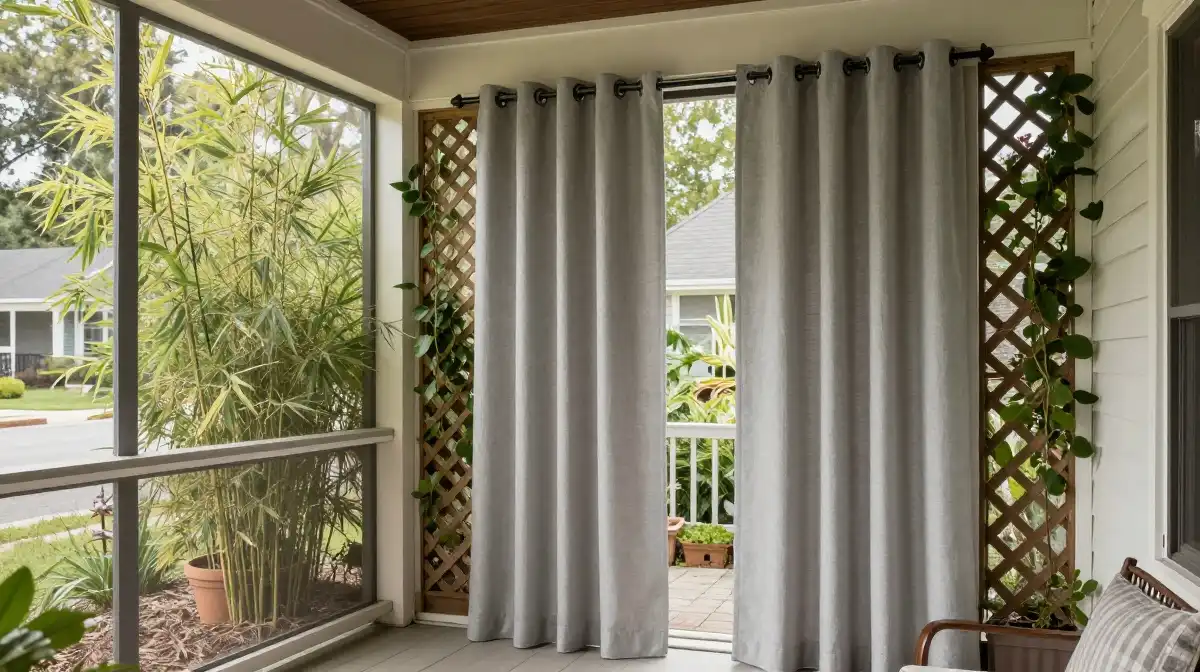
Privacy is a real concern, especially in suburban neighborhoods where homes sit close together. Porch privacy screen ideas range from purely practical to genuinely decorative. Outdoor curtains made from fade-resistant Sunbrella fabric are the fastest solution — just hang them from a tension rod or curtain track mounted inside the screen frame. Pull them closed when the neighbors are out and open them to enjoy the view.
Living privacy walls are another gorgeous option. Tall potted bamboo, trellised climbing vines, or espaliered shrubs planted just outside the screen enclosure create a natural green barrier that looks intentional and beautiful. Retractable screen systems with privacy-grade mesh are also available — they roll up when you want the view and drop down when you want seclusion. Lattice panels with climbing plants are a budget-friendly classic that never fails.
Four-Season Screened In Back Porch Ideas for Year-Round Use
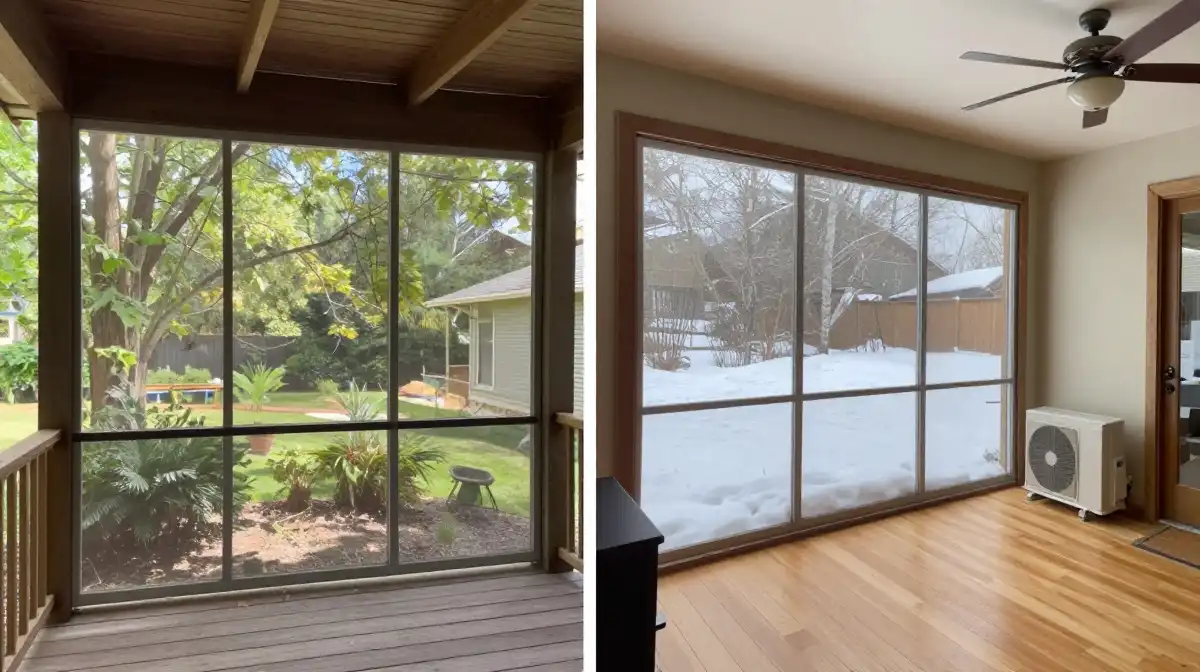
A four-season screened porch turns a three-month luxury into a twelve-month lifestyle upgrade. The key difference between a standard screened porch and a four-season version is insulation, glazing, and climate control. Many homeowners in the Midwest and Northeast add retractable screen systems that swap out for insulated glass panels in autumn — effectively converting the porch into a sunroom for winter.
Radiant floor heating is one of the best investments for a four-season enclosed back porch. It keeps feet warm without blowing dry air around, and it’s hidden completely under the floor. Mini-split HVAC units are another popular solution — they provide both heating and cooling efficiently and don’t require ductwork. Add thermal curtains for extra insulation and you have a space you’ll genuinely use in January in Ohio.
Cost Breakdown: How Much Does a Screened In Back Porch Cost?
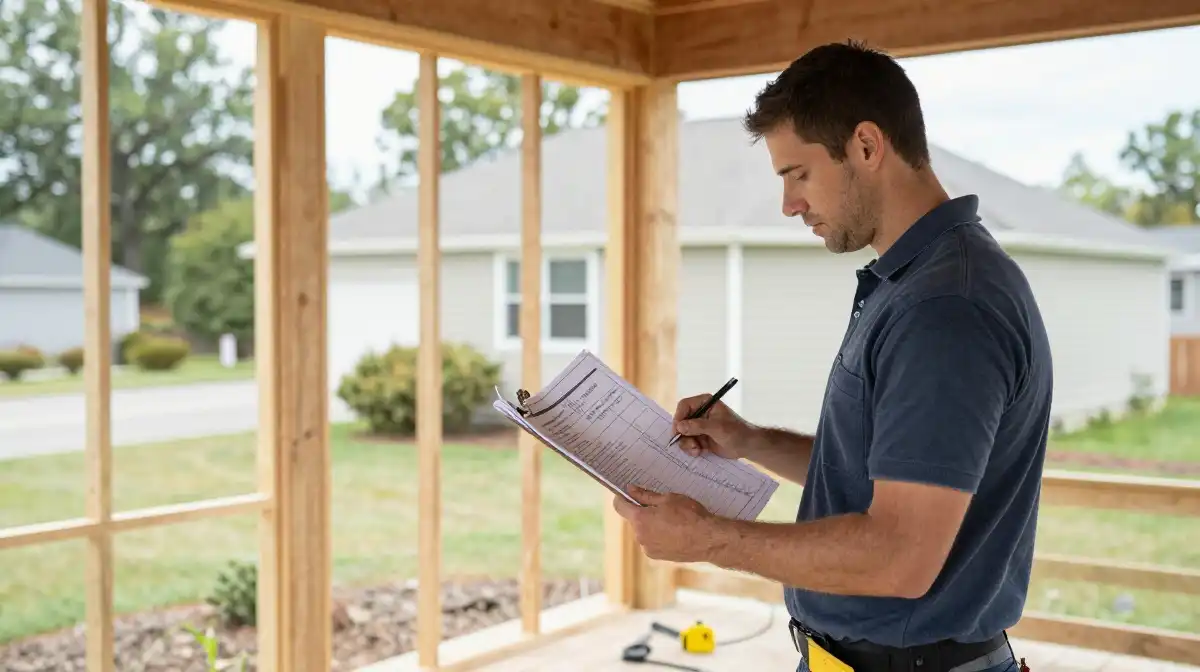
Let’s talk real numbers. Porch enclosure cost varies widely based on size, materials, and labor. A basic screened porch addition on an existing deck typically runs between $1,500 and $4,000 for DIY projects. A professionally built screened porch with a new foundation, roofing, and quality materials generally costs $10,000 to $30,000 in most US markets. High-end builds with premium materials, fireplace, and four-season conversion can reach $50,000 or more.
The biggest cost drivers are size, roofing type, foundation requirements, and whether you’re attaching to an existing structure or building from scratch. Labor accounts for roughly 50–60% of total project cost in most regions. Getting three quotes from licensed contractors is always wise. Some states also require permits for screened enclosures — typically $150 to $500 — so factor that into your back porch renovation budget from the start.
| Project Type | Average Cost Range |
|---|---|
| DIY basic screen kit (existing deck) | $1,500–$4,000 |
| Contractor-built on existing deck | $5,000–$12,000 |
| New screened porch addition | $15,000–$30,000 |
| Four-season screened porch | $25,000–$50,000 |
| High-end custom build | $50,000+ |
“A screened porch is the single best investment I’ve made in this house. We use it literally every single day from March through November.” — Homeowner review, Houzz.com
A screened in back porch isn’t just a construction project. It’s a lifestyle decision. You’re choosing more meals with family, more evenings with friends, more mornings with coffee and birdsong — all without a single mosquito ruining the moment. Whatever your budget, whatever your style, there’s a screened porch idea on this list that’s perfect for your home. Now’s the time to make it happen.