16 Craftsman Exterior Ideas: Transform Your Home with Timeless Style
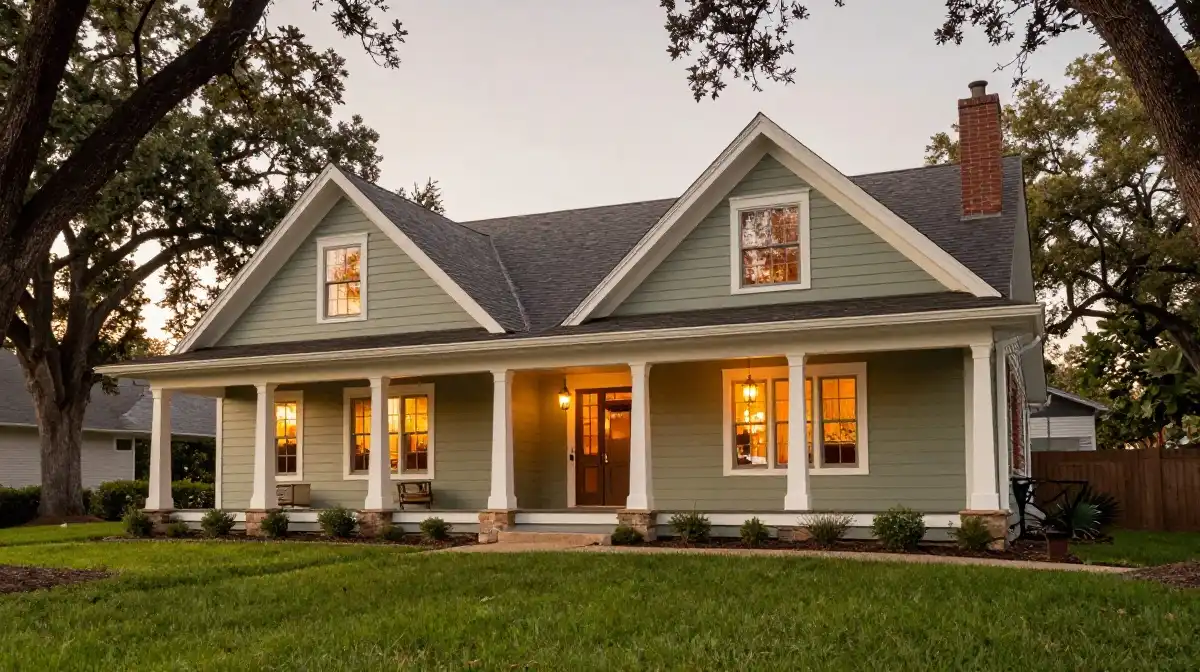
Few architectural styles carry the soul of American craftsmanship quite like the craftsman style home exterior. Born in the early 1900s, this design philosophy celebrates honest materials, handcrafted details, and a deep connection between structure and nature. Whether you own a classic bungalow or a newer home, these craftsman exterior ideas will help you create a facade that feels rooted, warm, and enduringly beautiful.
What Makes a Craftsman Exterior Unique
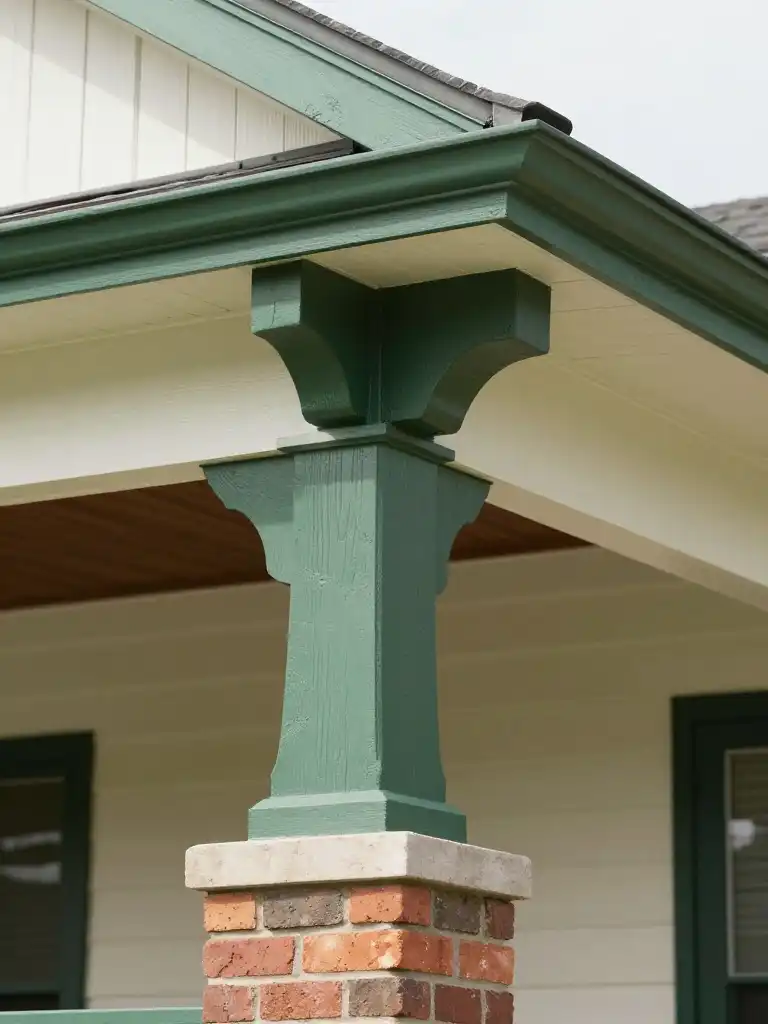
The craftsman style home exterior stands apart because every detail serves a purpose. Low-pitched rooflines, wide overhanging eaves, exposed rafter tails, and tapered columns sitting on broad porch piers — these aren’t decorations. They’re functional design decisions that give craftsman curb appeal its unmistakable character. The arts and crafts home exterior movement, which inspired this style, believed beauty and utility should never be separated.
What truly sets the craftsman home facade ideas apart from other styles is the layered visual texture. You’ll notice contrasting materials: wood siding paired with stone bases, painted trim against natural cedar shakes, decorative knee braces under gable ends. This interplay of textures creates depth that draws the eye. No other American residential style achieves this kind of organic complexity with such elegant restraint.
| Craftsman Feature | Purpose |
|---|---|
| Tapered columns | Visual weight, porch support |
| Wide eave overhangs | Weather protection, shadow depth |
| Exposed rafter tails | Honest structural expression |
| Knee braces under gables | Decorative structural accent |
| Multi-pane windows | Light filtration, period authenticity |
Best Color Schemes for Craftsman Home Exteriors
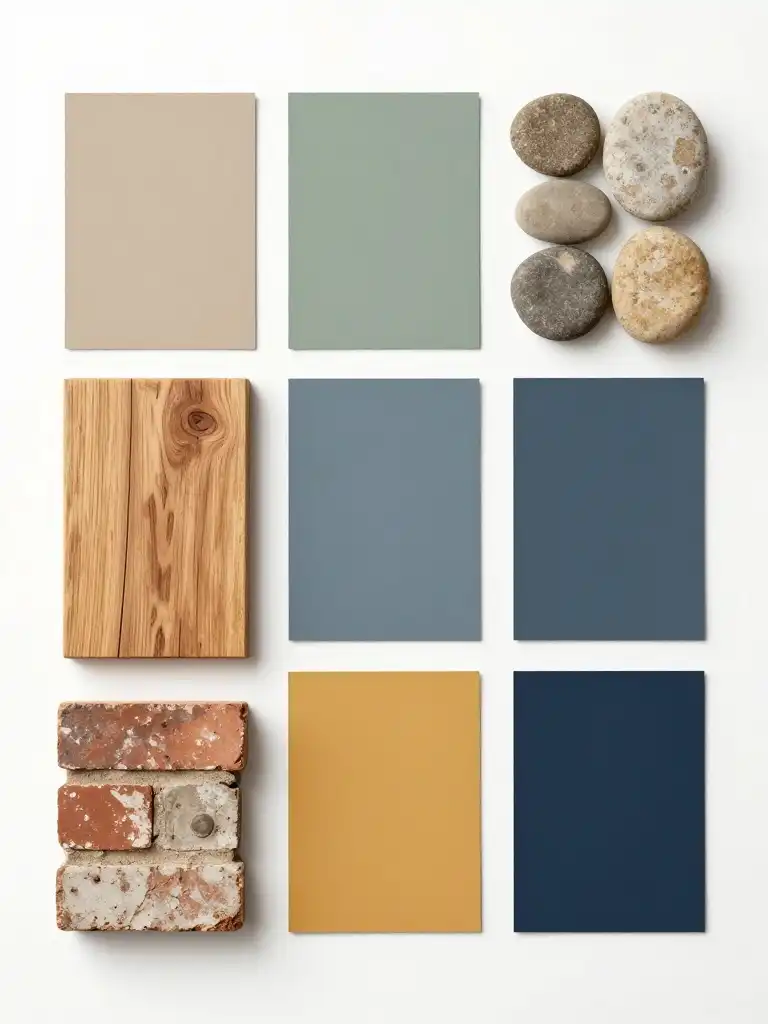
Choosing the right craftsman paint colors can make or break your home’s exterior personality. The best craftsman color schemes draw from nature — earthy greens, warm taupes, deep terracottas, slate blues, and creamy whites. Think forest floor, river stone, autumn bark. These hues don’t shout; they settle into the landscape. Popular combinations include sage green with cream trim and dark brown accents, or navy blue with warm white trim and black shutters.
The best colors for craftsman house exteriors follow a three-tone rule: a dominant body color, a complementary trim color, and a bold accent for the front door and shutters. For example, a warm gray body with white trim and a brick-red door feels classically American. Meanwhile, craftsman exterior renovation projects often go bolder — deep forest green bodies with black trim have become especially popular across the American Pacific Northwest and Midwest.
| Color Combination | Body | Trim | Accent |
|---|---|---|---|
| Classic Earth | Warm Taupe | Cream White | Brick Red |
| Forest Lodge | Deep Sage Green | Off-White | Dark Brown |
| Coastal Craftsman | Slate Blue | White | Navy |
| Modern Neutral | Warm Gray | Black | Olive Green |
| Heritage Bungalow | Mustard Gold | Dark Espresso | Forest Green |
Craftsman Siding Ideas That Add Character
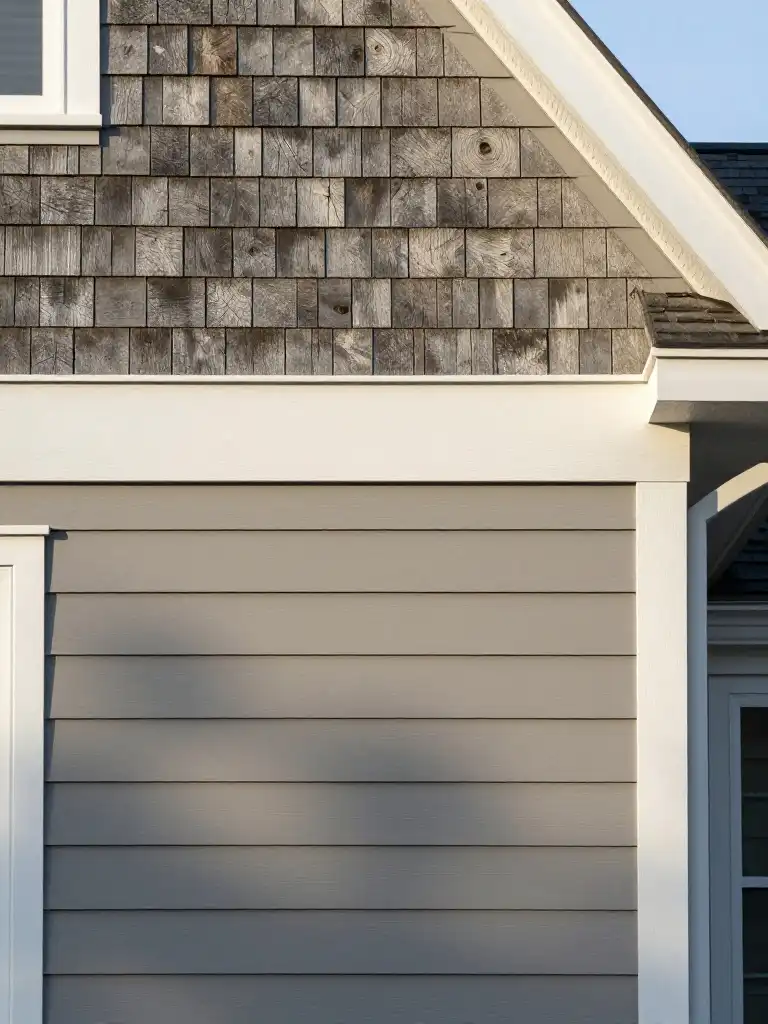
Craftsman siding options are where personality really starts to emerge. Horizontal lap siding remains the most traditional choice — cedar or fiber cement planks running the full width of the home give a clean, honest look. However, the craftsman home siding ideas that truly turn heads combine two siding types. A common approach pairs smooth horizontal siding on the lower half with cedar shingles or fish-scale shakes on the upper gable areas.
How to update craftsman home exterior siding without a full replacement? Consider adding a contrasting material to just the gable peaks. Vertical board-and-batten on dormers or accent walls adds visual rhythm. Fiber cement siding has become the top choice for budget craftsman exterior upgrades because it mimics real wood beautifully while offering far superior durability against moisture, rot, and insects — a significant concern in humid American climates.
Craftsman Porch Designs to Boost Curb Appeal
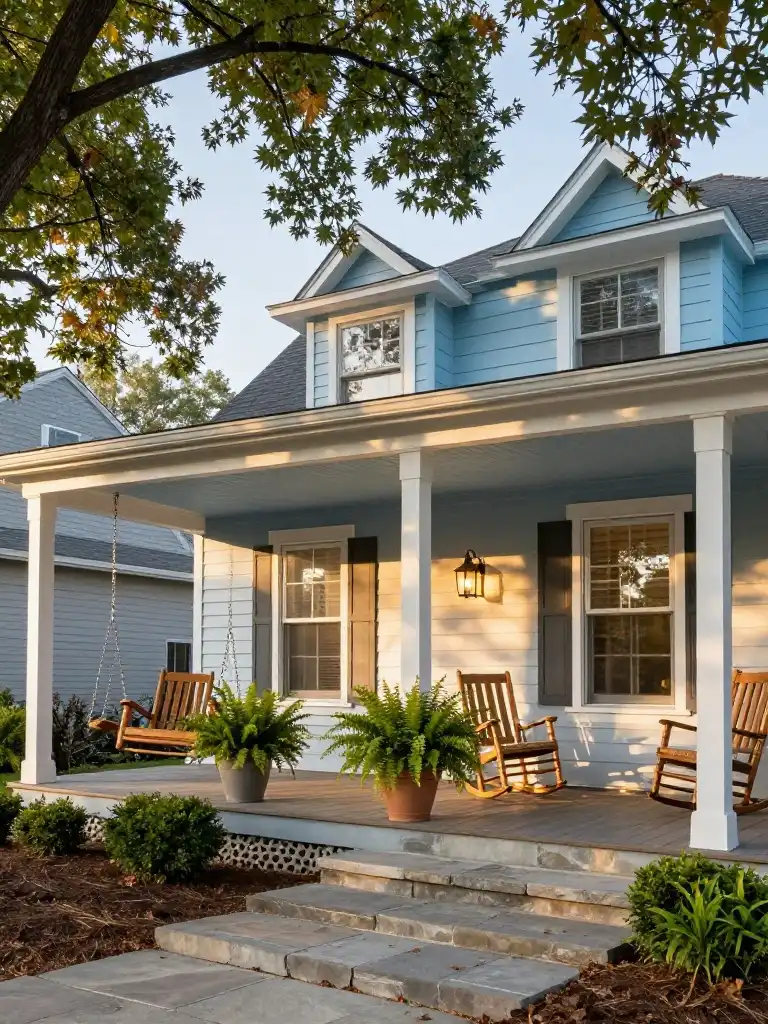
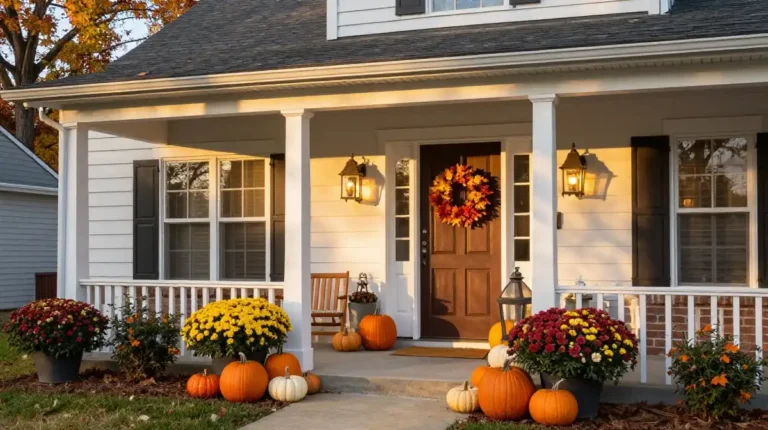
Nothing defines craftsman curb appeal more powerfully than a well-designed front porch. Craftsman porch ideas almost always feature a wide, welcoming wraparound or full-width covered porch that extends the living space outward. The porch ceiling — traditionally painted a soft sky blue called “haint blue” — adds a layer of historical charm that visitors notice immediately. Wide porch steps flanked by stone or brick piers set the tone before guests even reach the door.
Great craftsman porch ideas go beyond the structure itself. Porch flooring in tongue-and-groove fir or composite decking adds warmth underfoot. A swing hanging from the porch ceiling is practically a rite of passage. Add potted ferns, craftsman-style lantern sconces, and rocking chairs and you’ve built something that feels genuinely lived-in. The bungalow exterior design tradition holds that the porch should feel like an outdoor room, not just a transitional space.
Craftsman Column and Post Ideas for the Front Porch
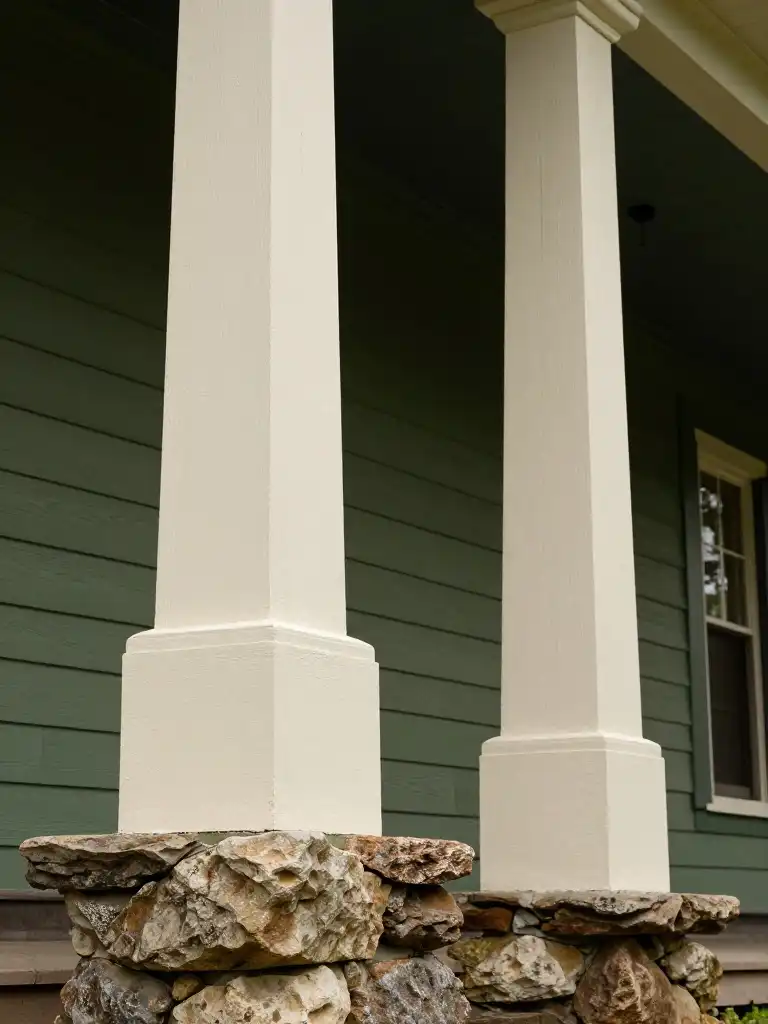
Craftsman columns are among the most recognizable elements of this architectural style. Unlike the slender, classical columns of Greek Revival homes, craftsman columns are deliberately chunky and grounded. They taper from a wide base — often sitting atop a brick, stone, or stucco pier — up to a narrower capital. This visual weight communicates permanence. Your porch doesn’t look bolted on; it looks like it grew there.
Craftsman style exterior elements related to columns include the porch piers beneath them. These piers typically use materials like river rock, clinker brick, or cast stone to create a visual anchor at ground level. For a craftsman home exterior makeover, swapping out plain posts for true craftsman columns with proper piers is one of the most transformative single changes you can make. It immediately shifts the entire visual language of the facade from generic to architectural.
Craftsman Exterior Trim and Detail Ideas
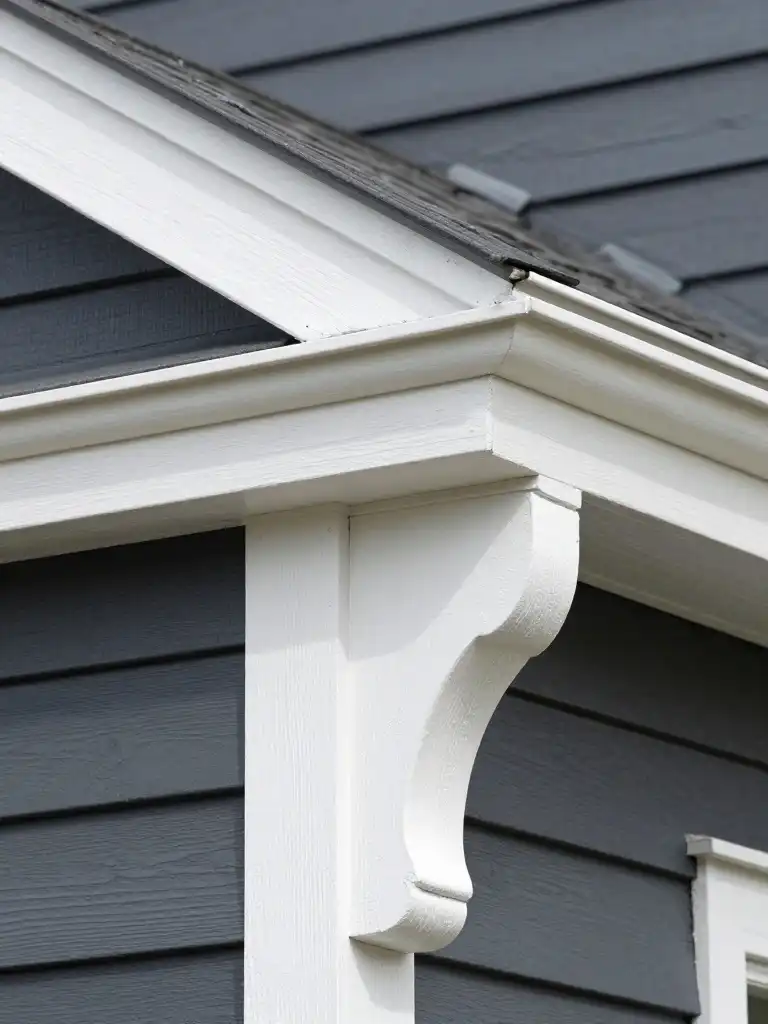
Craftsman trim details do the heavy lifting when it comes to visual richness. Wide corner boards, substantial window casings, and bold fascia boards all read as deliberate, handcrafted choices. The craftsman exterior wood details at the gable ends — decorative knee braces, exposed beam ends, and decorative vents — add depth and shadow that flat, featureless homes simply can’t replicate. These details reward a slow, close look.
Craftsman exterior window trim deserves special attention. Windows typically feature wide, flat trim boards with a simple backband profile. Some homeowners add decorative headers above windows — a shallow triangle or craftsman-style hood — that adds even more shadow and dimension. When painting, trim is almost always a lighter or contrasting color to the body, which makes those craftsman exterior wood details pop visually from across the street.
Stone and Brick Accents for Craftsman Homes
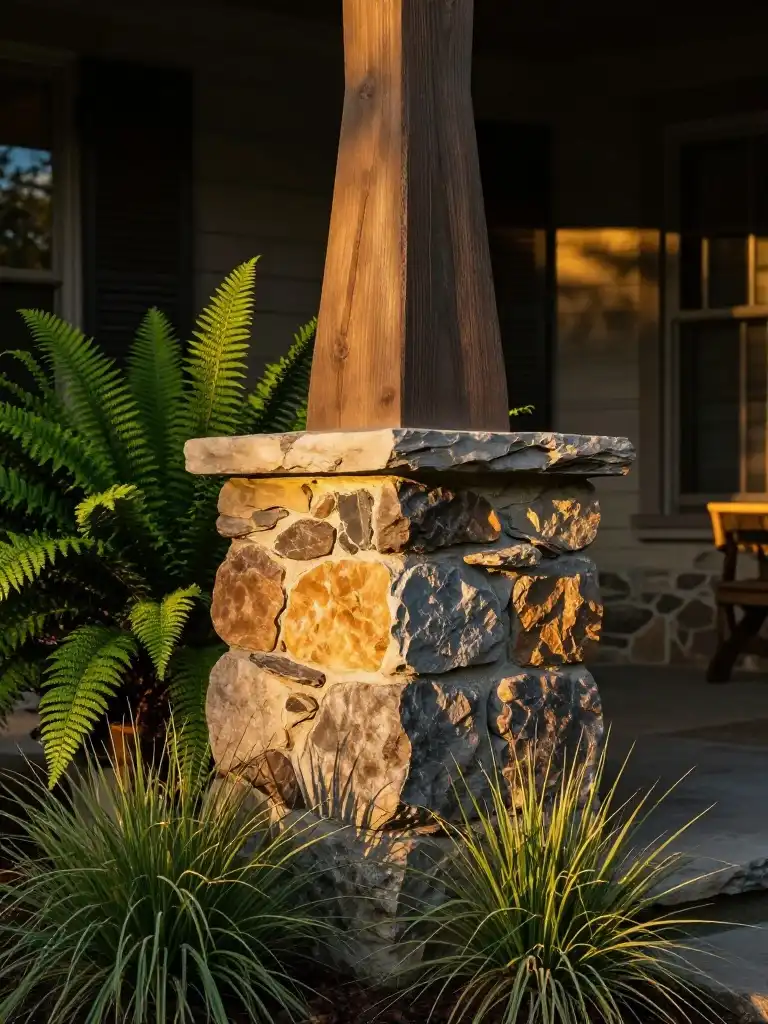
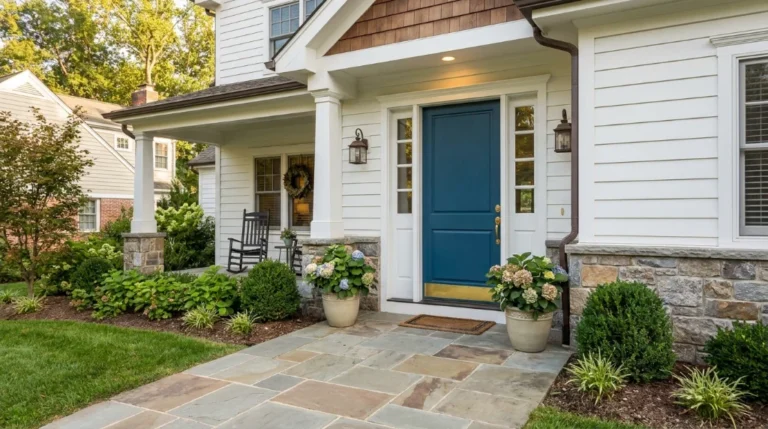
Craftsman stone accents are a hallmark of authentic arts and crafts home exterior design. River rock, fieldstone, and clinker brick appear at porch piers, chimney stacks, foundation walls, and retaining walls. The rough, irregular texture of natural stone creates a beautiful contrast against smooth painted siding. It signals that the home connects to its land — that it belongs where it sits. This is the philosophical core of craftsman exterior with stone design.
Craftsman exterior with stone doesn’t require a complete stone facade. Strategic placement is key. A stone-clad lower porch pier, a river rock chimney, or a stone-faced garden wall at the property boundary are all sufficient to establish the vocabulary. Manufactured stone veneer has made craftsman stone accents far more accessible financially. Brands like Eldorado Stone offer profiles specifically designed to evoke the Arts and Crafts period authentically.
Craftsman Front Door Ideas That Make a Statement
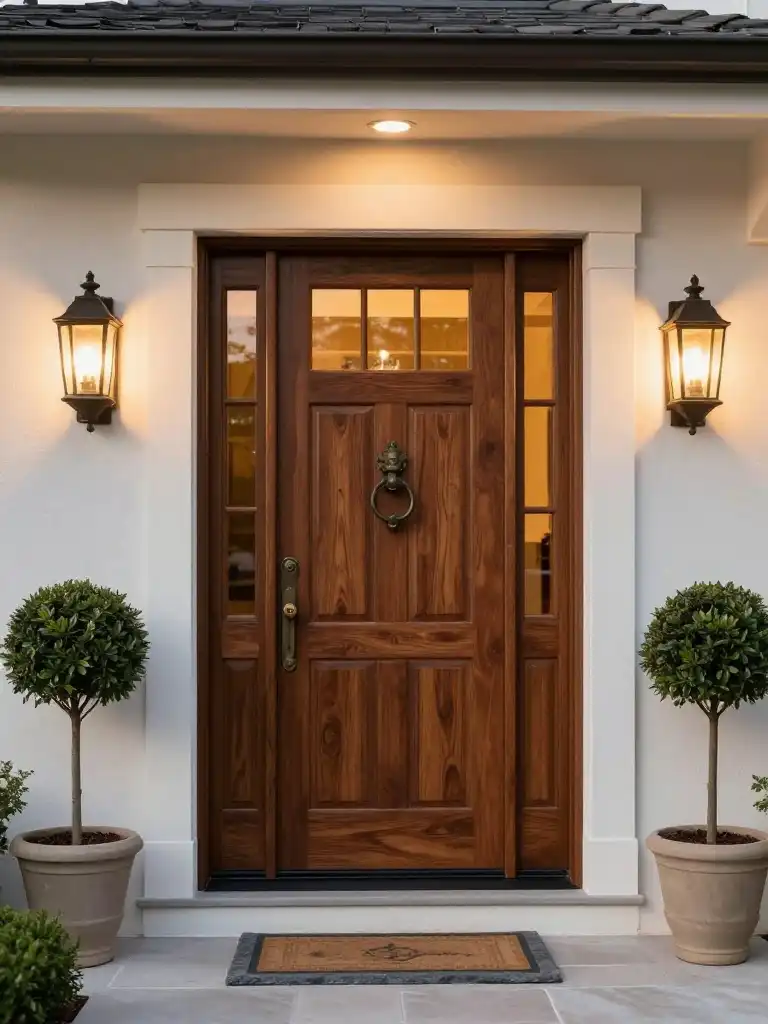
Your front door is the face of the home — and craftsman front door ideas are nothing short of spectacular. The classic craftsman entry door features a solid wood panel on the lower half and a row of small glass lights across the upper third. This combination lets natural light into the entry vestibule while maintaining privacy below eye level. Mahogany, Douglas fir, and alder are the traditional wood species; deep red, forest green, navy, and black are the favorite paint choices.
The best craftsman exterior door styles go beyond the door itself. A craftsman entry surround includes wide pilasters on each side, a flat transom above, and sometimes a modest portico overhead. Sidelights flanking the door — using the same small divided glass panes as the door — expand the entry visually. Hardware in oil-rubbed bronze or antique brass completes the picture. Don’t overlook the door knocker and house numbers; small details like these carry enormous character in craftsman style home exterior design.
Window Styles and Trim Ideas for Craftsman Exteriors
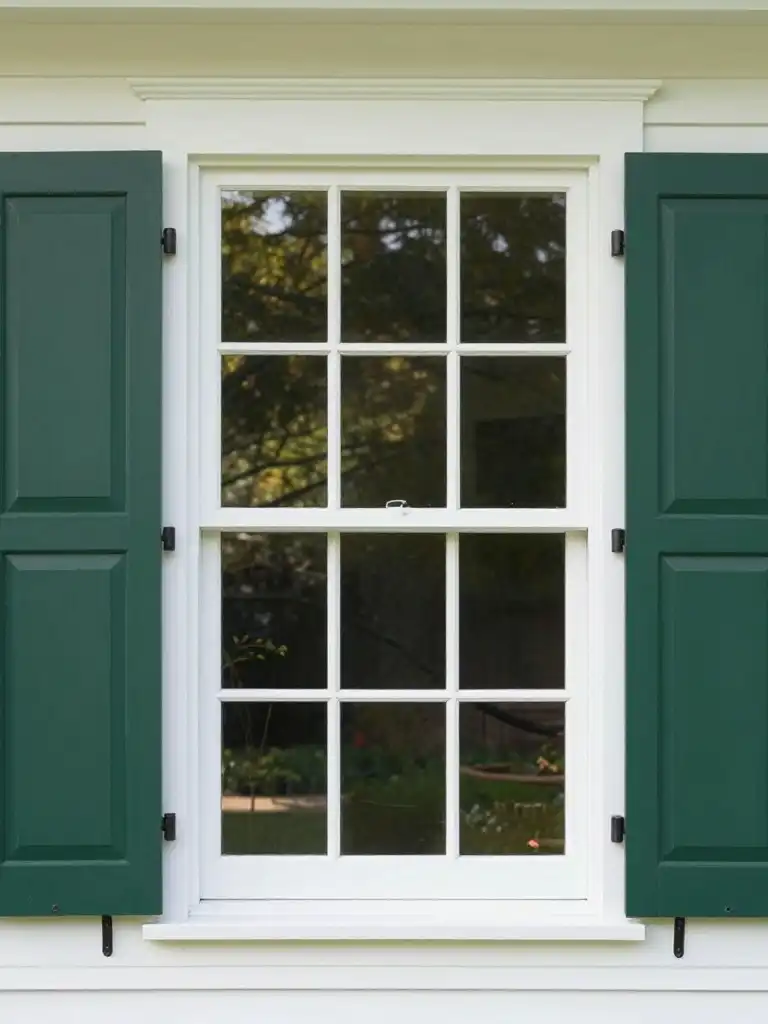
Craftsman exterior window trim goes hand-in-hand with window selection. Double-hung windows with divided upper sashes — four or six panes over a single undivided lower sash — are the most historically accurate choice. This pattern, called “four-over-one” or “six-over-one,” appears on virtually every authentic bungalow exterior design from the early twentieth century. The divided upper pane creates visual complexity without obscuring the view from inside.
Craftsman shutters add another layer of authenticity. Flat-panel shutters in a contrasting color frame each window beautifully. They should always be sized to actually cover the window opening — a common mistake is using decorative shutters that are far too narrow to be functional. Craftsman exterior window trim painted in a bold contrasting color against a darker body color creates a graphic, high-impact look that photographs beautifully and reads well from the street.
Craftsman Gable and Roofline Design Ideas
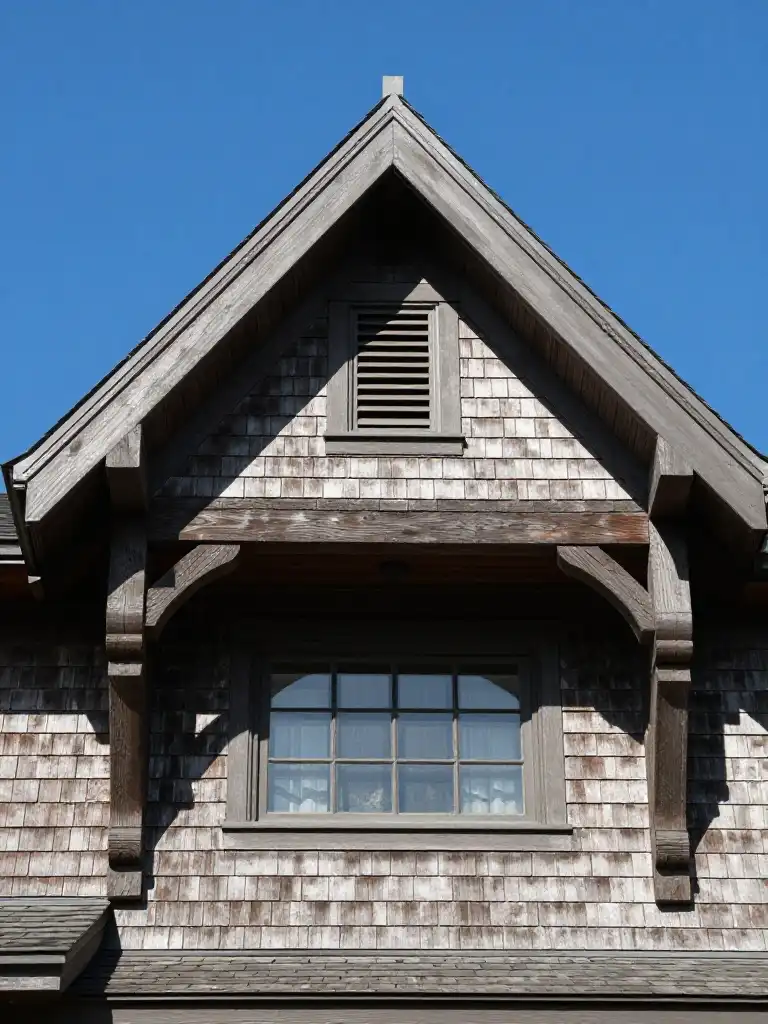
Craftsman gable details are where the roofline tells its story. The gable end — the triangular upper portion of the wall beneath the roof peak — is prime real estate for decorative expression. Craftsman gable details typically include decorative knee braces (angled wood brackets), exposed rafter tails at the eave line, decorative attic vents in geometric shapes, and sometimes contrasting siding material like cedar shingles within the gable field itself.
The roofline’s low pitch is non-negotiable in authentic craftsman design. Steep, pointed roofs belong to Victorian homes. The craftsman ideal is a broad, sheltering roof with wide overhangs that cast deep shadows across the facade throughout the day. These shadows create natural visual depth that changes with the sun’s angle — a living, dynamic quality that makes craftsman style home exterior designs endlessly interesting to look at.
Craftsman Exterior Lighting Ideas
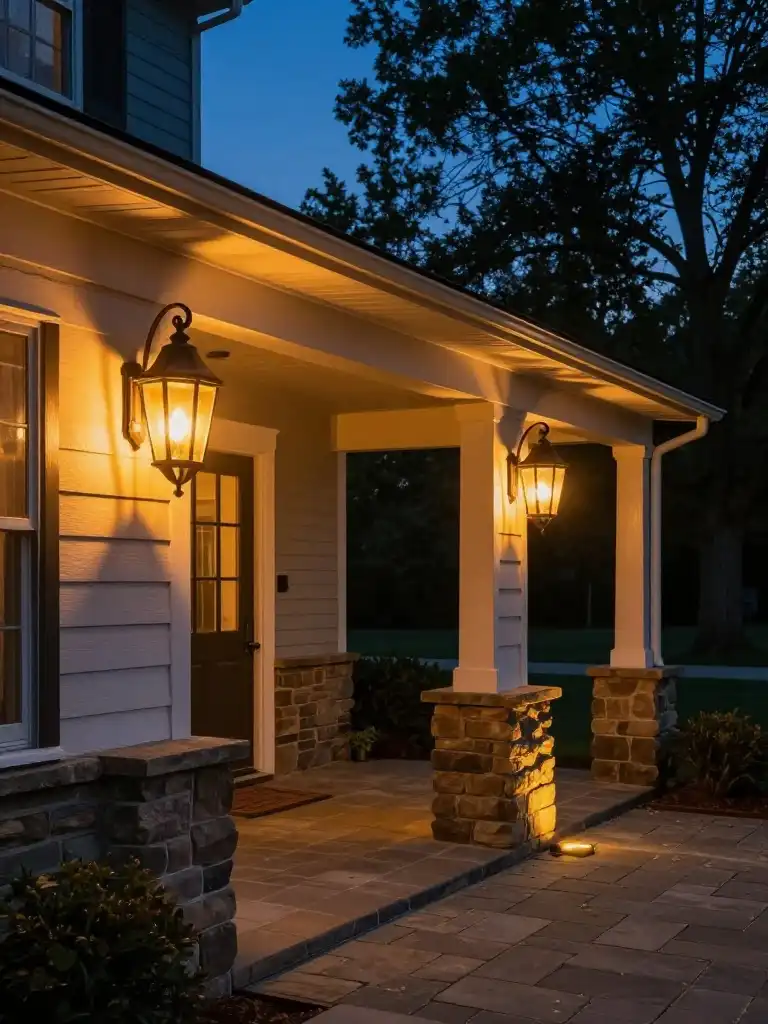
Craftsman home exterior lighting follows the same philosophy as every other design element: purposeful, material-honest, and human-scaled. Wall-mounted lanterns with amber glass panels and dark bronze or black metal frames are the signature fixture. These are placed flanking the front door, at the garage, and along the porch ceiling. The warm amber glow they cast at night gives the home an inviting, settled quality that modern chrome fixtures simply cannot achieve.
Craftsman home exterior lighting extends beyond entry fixtures. Path lighting using low mission-style bollards guides visitors from the street to the porch. String lights along porch ceilings add warmth during evenings. Up-lighting aimed at mature trees or the stone porch piers creates dramatic nighttime drama. The key principle: always use warm-toned bulbs (2700K–3000K color temperature) to maintain the amber, candlelit quality that craftsman exterior renovation lighting is known for.
Modern Craftsman Exterior Ideas for Contemporary Homes
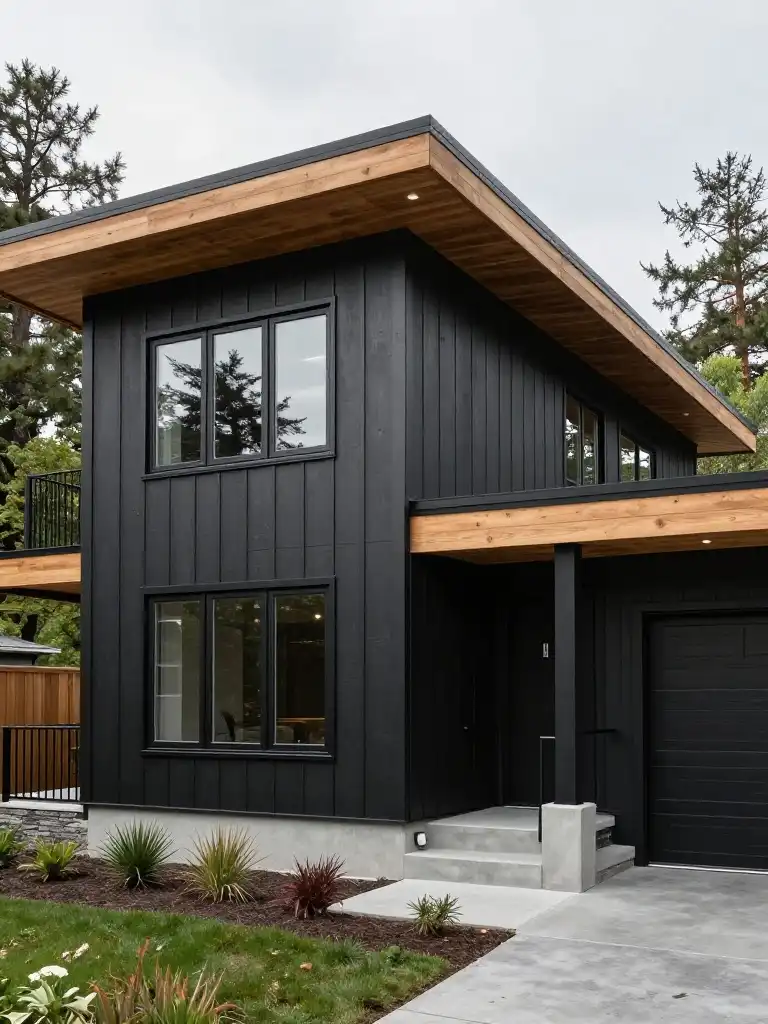
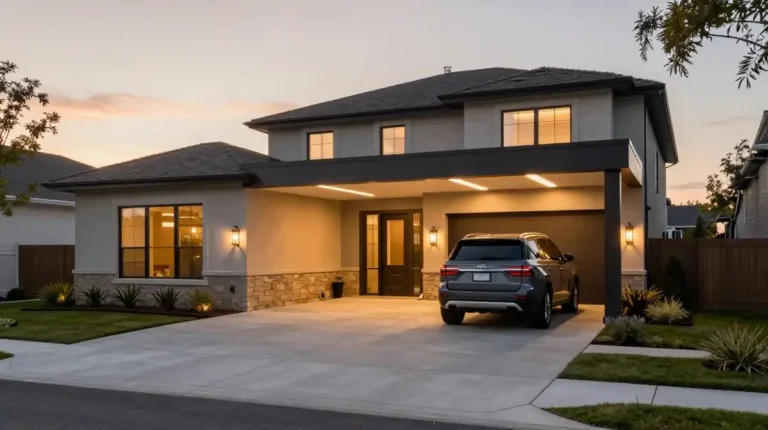
Modern craftsman exterior design is one of the most exciting trends in American residential architecture right now. Traditional vs modern craftsman exterior design comes down to one question: how much do you simplify? Modern craftsman keeps the fundamental vocabulary — wide eaves, natural materials, tapered columns, covered porches — but streamlines the details. Trim becomes thinner. Color palettes shift toward darker, more dramatic neutrals. Mixed materials become more adventurous.
Modern craftsman exterior design often incorporates materials like black steel windows, board-and-batten siding in charcoal or deep green, and concrete or corten steel accents alongside traditional stone and wood. The result feels rooted in history but unmistakably contemporary. Craftsman style exterior elements like exposed rafter tails and knee braces remain, but they’re executed with cleaner lines and less ornamentation. This style performs extraordinarily well in the American Pacific Northwest, Colorado, and New England markets.
Craftsman Landscaping Ideas to Complete the Look
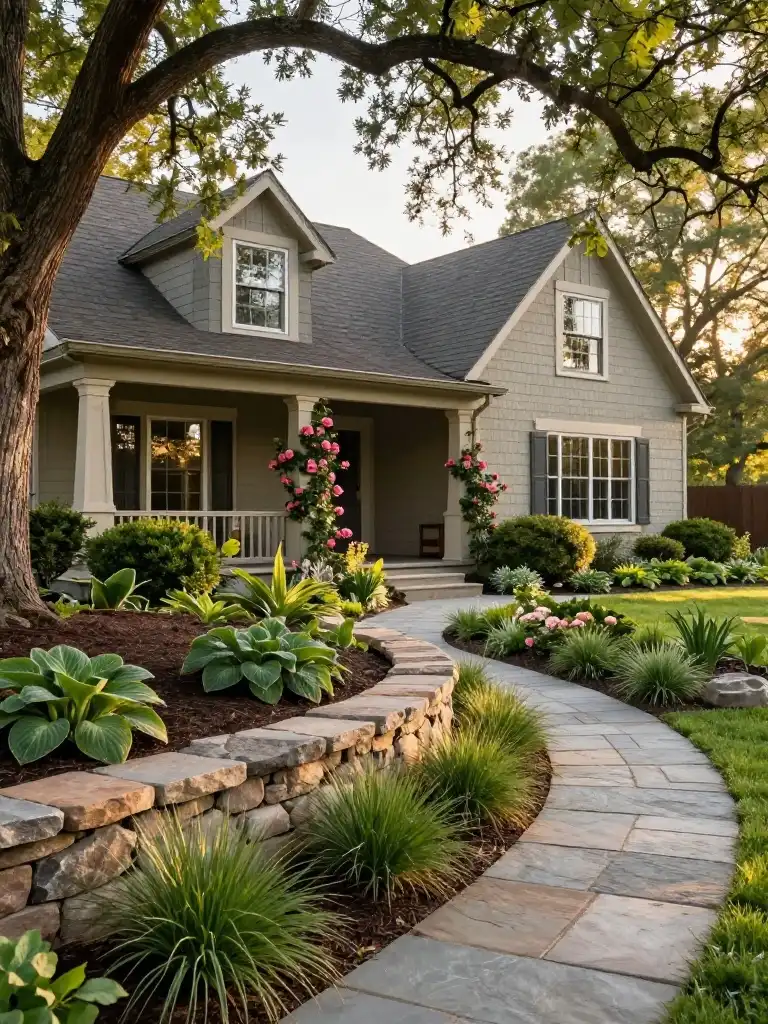
Craftsman landscaping is not an afterthought — it’s the final layer of the composition. The arts and crafts home exterior tradition held that the garden should feel like a natural extension of the architecture. Low stone retaining walls, flagstone paths, and native plantings all support the home’s visual language. Low-growing plants like ornamental grasses, hostas, and ground covers soften the foundation line without competing with the architecture.
Craftsman landscaping at its finest creates a sense that the home grew organically from its site. Mature trees provide natural framing. A stone-edged garden bed running the length of the porch adds a neat, considered border. Climbing roses or wisteria trained along a porch column add romantic softness. For craftsman curb appeal that photographs well in every season, incorporate evergreen shrubs like boxwood or holly that maintain structure through winter months.
Craftsman Garage Door Ideas That Match Your Style
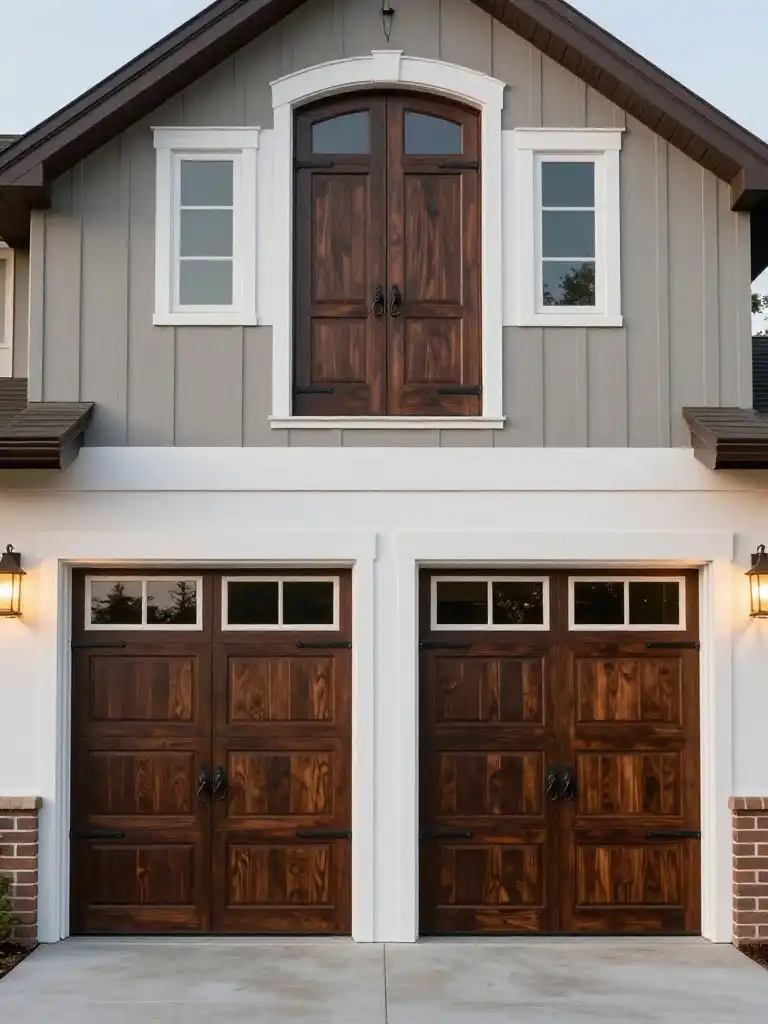
Craftsman style garage door ideas are often overlooked but critically important. The garage door represents a huge percentage of the home’s front-facing surface area. A generic raised-panel door on an otherwise beautiful craftsman style home exterior is like wearing running shoes with a fine suit. Craftsman style garage door ideas center on carriage-house style doors with decorative hardware: large strap hinges and ring pulls that evoke the pre-automobile era.
Wood-look garage doors — either real wood or composite materials that mimic it — work beautifully in craftsman home facade ideas. Horizontal plank patterns with decorative X-bracing are especially authentic. Window inserts in the upper panels, using the same divided-light pattern as the home’s windows, tie everything together visually. Dark stained or painted finishes in espresso brown, charcoal, or black feel sophisticated and intentional.
Budget-Friendly Craftsman Exterior Makeover Ideas
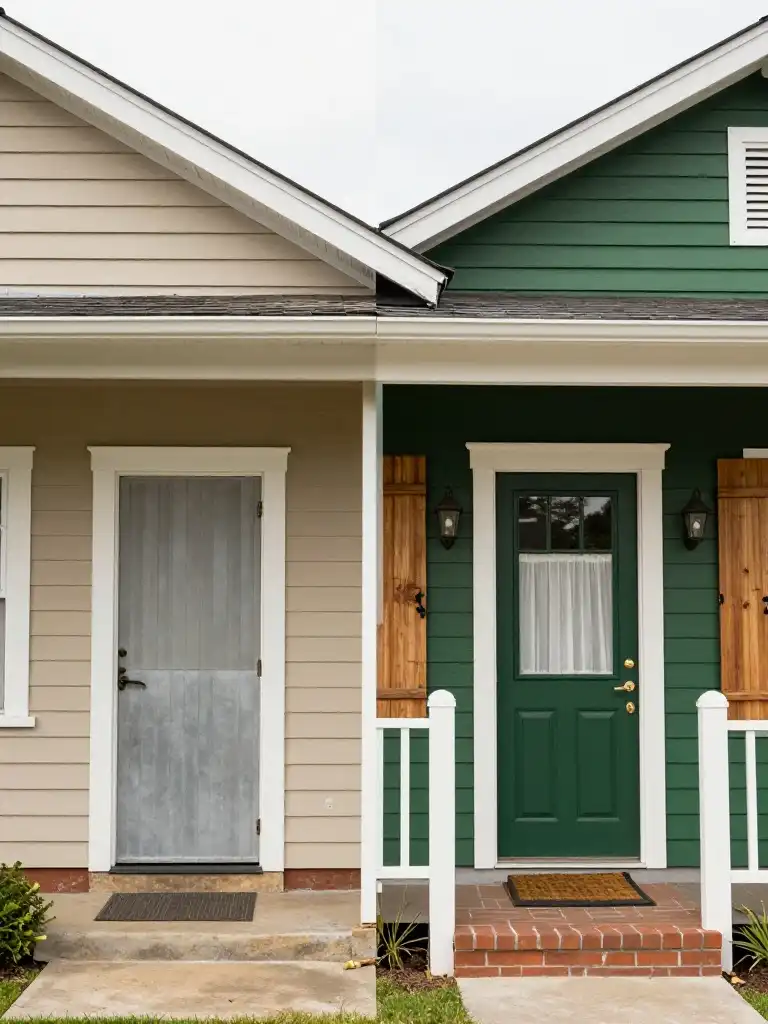
A craftsman home exterior makeover doesn’t require a six-figure renovation budget. Budget craftsman exterior upgrades start with paint — the single highest-impact, lowest-cost improvement available. Repainting in a true craftsman color scheme can transform even a featureless builder box into something that reads as period-intentional. Add new exterior light fixtures, house numbers in a craftsman font, and a new front door and you’ve spent under two thousand dollars with dramatic results.
Budget craftsman exterior upgrades at the next level include adding craftsman-style shutters, installing window trim if it’s currently absent, and adding a decorative knee brace or two under the gable. Pre-fabricated craftsman columns from companies like Waddell or Vintage Woodworks cost far less than custom millwork and install in a weekend. How to update craftsman home exterior on a tight budget is really about prioritizing the three most visible elements first: color, lighting, and the front door.
you may can also like this :15 Black Bathroom Ideas: Transform Your Space with Bold, Elegant Design
Before and After: Craftsman Exterior Transformation Tips
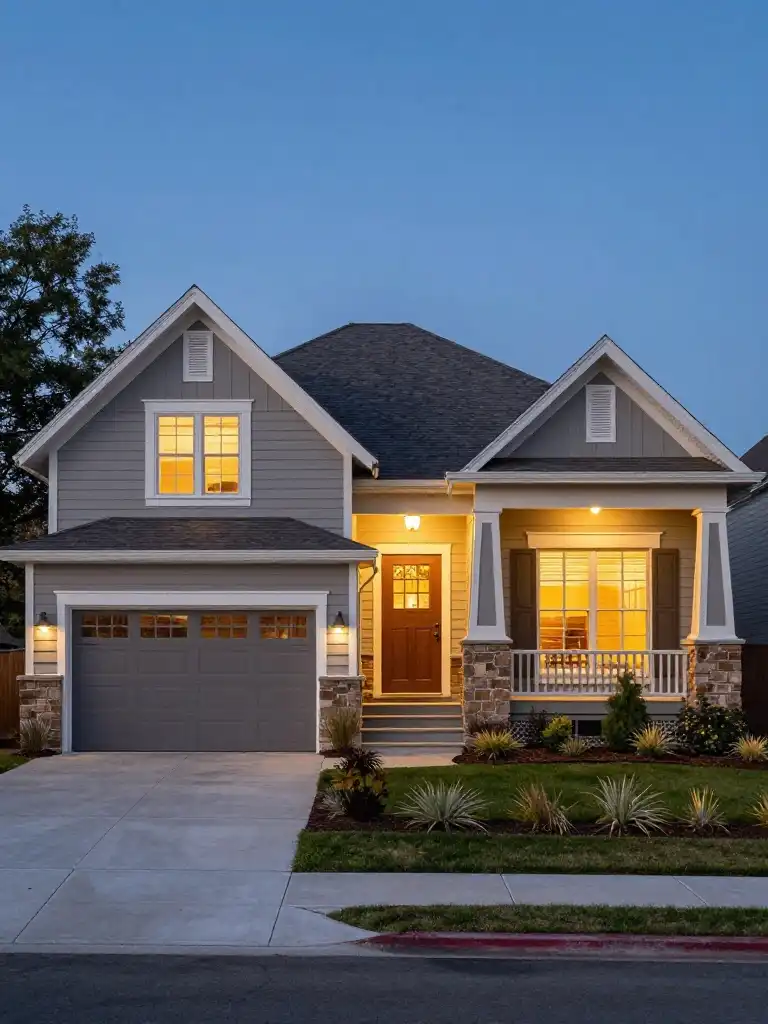
Craftsman exterior before and after transformations follow a predictable pattern: the most successful ones address the roofline, the porch, and the material palette simultaneously rather than one at a time. Piecemeal renovations rarely achieve the full impact. When you see a truly stunning craftsman exterior before and after on social media or in shelter magazines, it’s almost always because the homeowner committed to a coherent vision from the start and executed it completely.
The best craftsman exterior before and after advice is to start with a measured drawing of your home’s front elevation and sketch proposed changes before spending a single dollar. Add tapered columns where plain posts exist. Replace flat board trim with proper craftsman profiles. Install a divided-light front door. Change the garage door. Plant a proper foundation garden. Each change builds on the last, and the cumulative effect is a home that looks like it was designed with intention from day one — because now, it was.