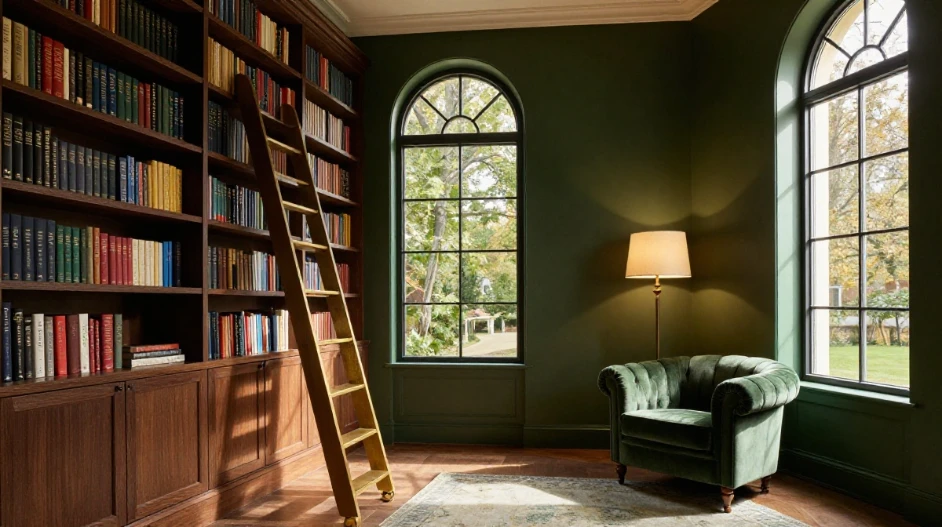
16 Dream Home Library Ideas: Create Your Perfect Reading Room
Why Every Home Needs a Personal Library
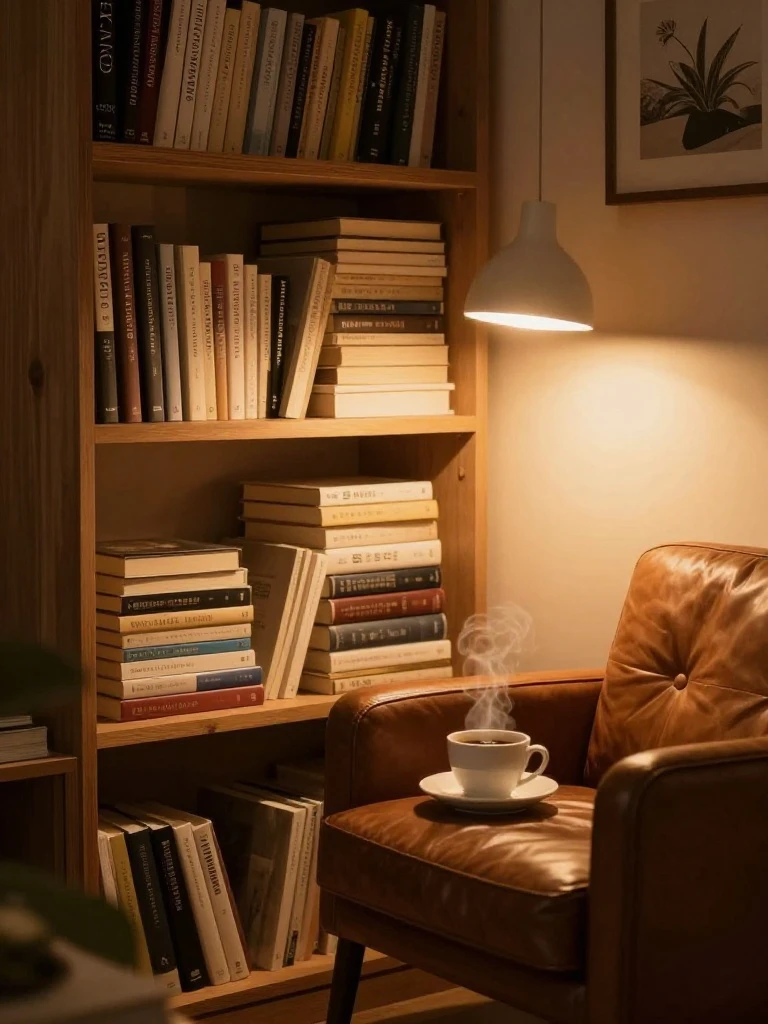
Books do something no screen ever can. They slow you down, sharpen your thinking, and pull you into worlds that exist only on paper. A personal library ideas for home enthusiast will tell you — having a dedicated space for reading changes how you interact with books entirely. You stop piling them on nightstands and start curating a collection that reflects who you are.
Beyond books, a home library gives your mind a sanctuary. Think about it: stress levels drop when you step into a quiet, book-lined room. According to a 2009 University of Sussex study, reading for just six minutes reduces stress by up to 68%. Your dream home library ideas don’t need to be grand — they just need to be yours. A personal library is not a luxury; it’s an investment in your mental clarity.
How to Choose the Right Room for Your Home Library
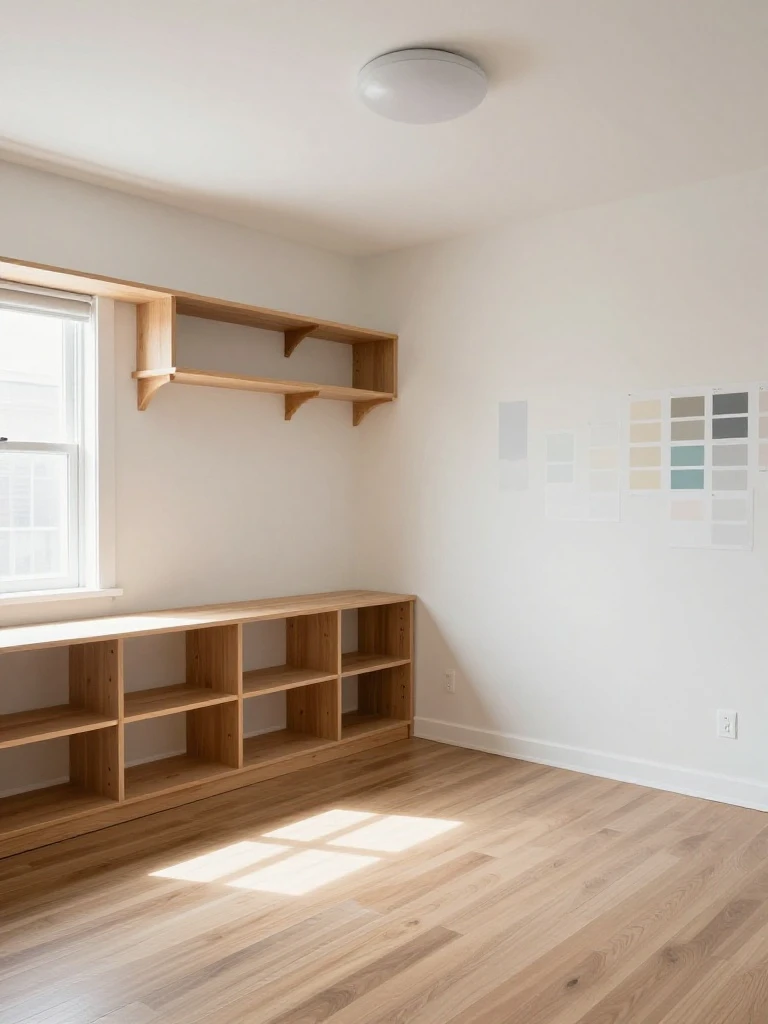
Picking the right room sets the entire tone of your home library room design. Natural light matters enormously, so a room with east or west-facing windows works brilliantly. Spare bedrooms, unused dining rooms, or even wide hallways have been transformed into breathtaking reading spaces across American homes.
Consider traffic flow and noise levels before committing to a room. A library tucked near a busy kitchen will constantly compete with noise. Quieter corners of the home — a finished basement, an attic conversion, or a back bedroom — tend to work best. How to create a library at home starts with choosing a room where silence feels natural and the walls can hold shelves without structural compromise.
| Room Type | Pros | Cons |
|---|---|---|
| Spare Bedroom | Private, good wall space | May feel isolated |
| Basement | Quiet, controlled temp | Needs good lighting |
| Hallway/Landing | Unexpected charm | Limited seating |
| Attic | Cozy atmosphere | Ceiling height limits shelves |
| Home Office Combo | Dual-purpose | Can feel cluttered |
Small Space Home Library Ideas That Actually Work
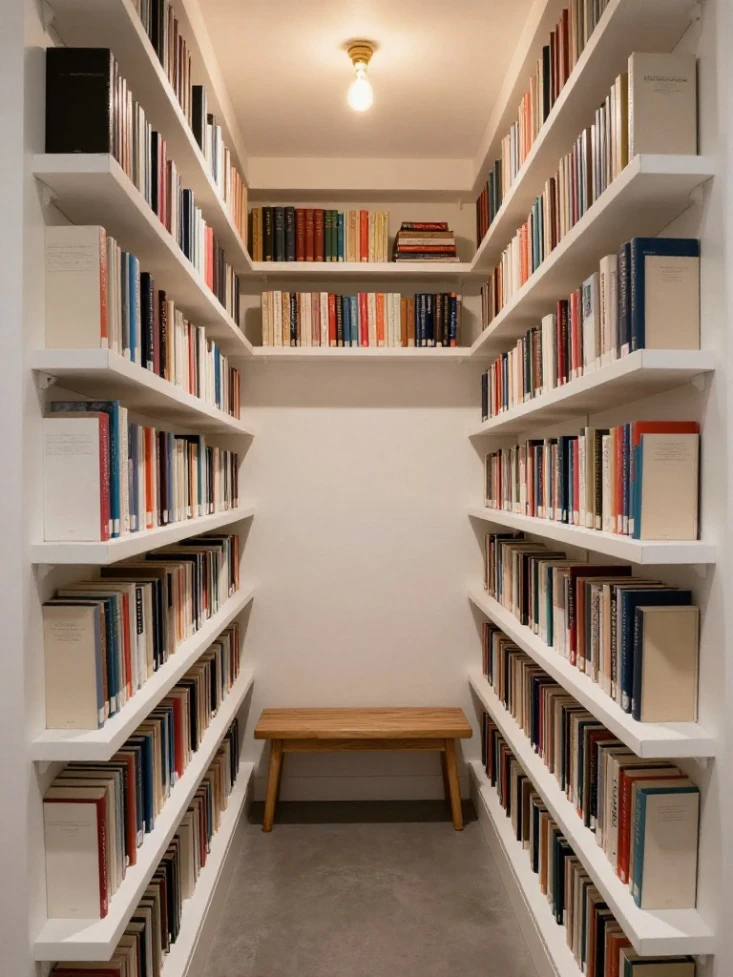
Small rooms don’t mean small libraries. Vertical space is your best friend here. Floor-to-ceiling shelving units in a narrow room create a powerful visual impact while maximizing every inch. Small home library ideas thrive when you think upward rather than outward.
Corner shelving units, floating wall shelves, and over-door book storage all punch well above their weight in compact spaces. Even a walk-in closet, stripped of its clothing racks and lined with custom shelves, becomes a cozy book nook that feels intentional and intimate. How to make a cozy reading space at home in a small area often means embracing the snugness rather than fighting it — a window seat with storage drawers beneath it does double duty beautifully.
Best Bookshelf Styles for a Dream Home Library
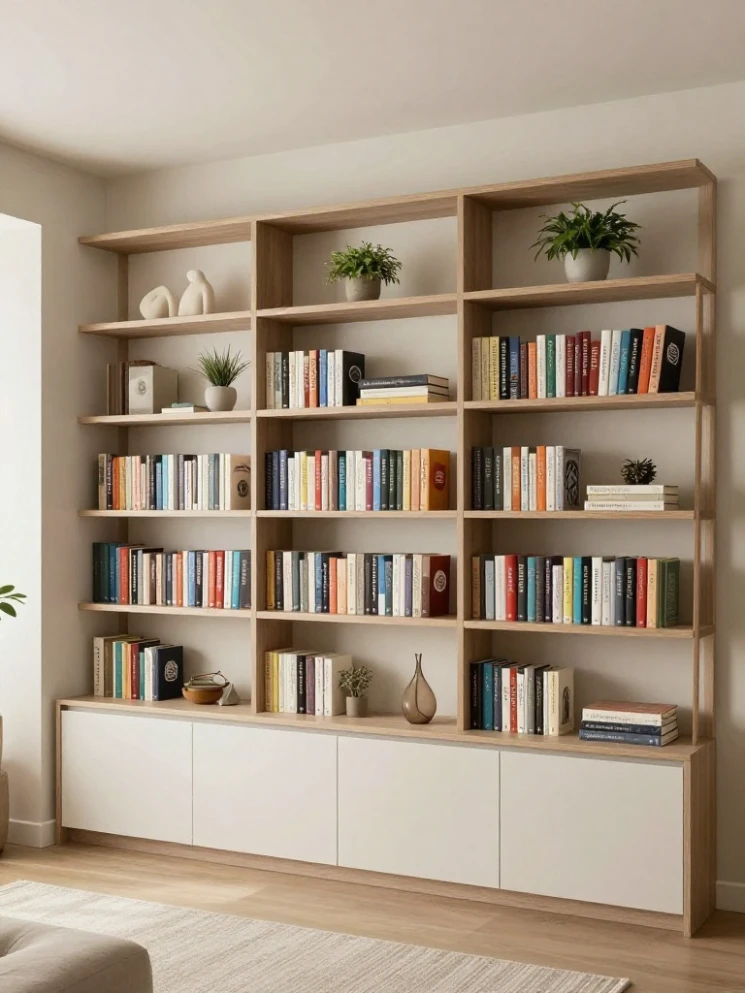
Choosing the right shelving style sets the visual personality of your entire space. Home library bookshelf ideas range from sleek floating shelves for a minimalist look to ornate dark-wood ladder shelves for a classic Victorian aesthetic. The style you choose should echo the architecture of your home and your personal taste.
Open shelving creates an airy, gallery-like feel. Closed cabinetry below open shelves combines display with hidden storage — ideal for organizing reading materials, journals, and accessories. What makes a good home library often comes down to this balance between display and order. Mixing shelf heights also adds visual rhythm so the room doesn’t feel like a grid.
Built-In Bookcases: The Ultimate Library Look
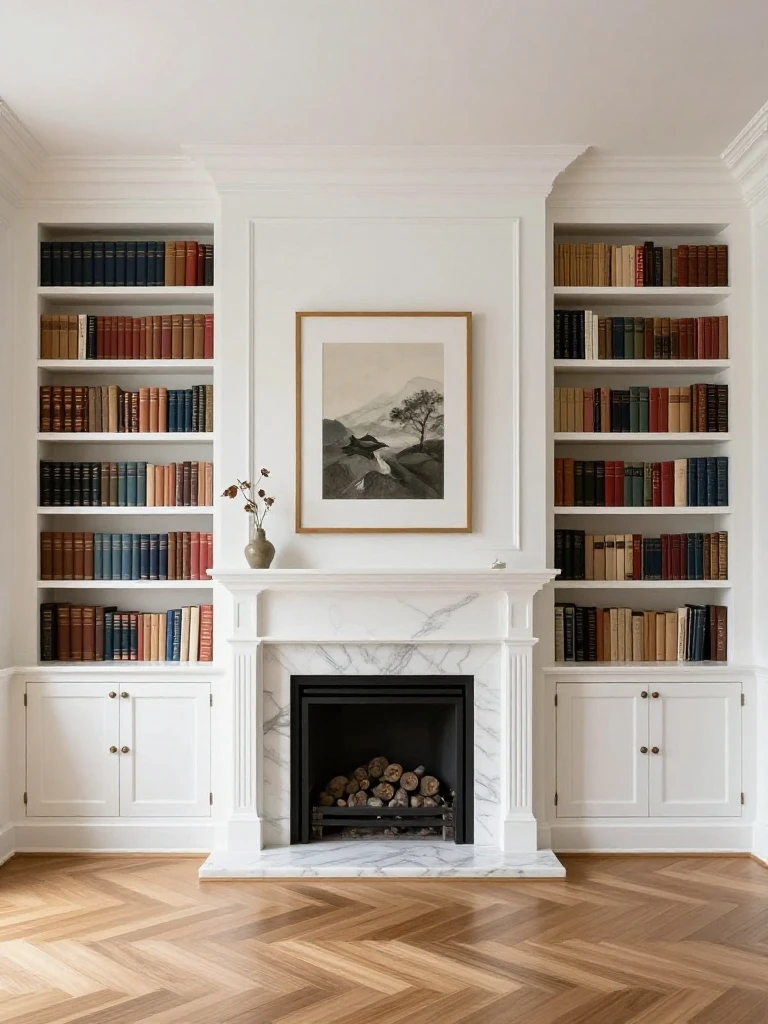
Nothing transforms a room into a true library faster than built-in bookcases. Floor-to-ceiling built-ins flanking a fireplace or framing a window create architectural gravitas that freestanding furniture simply cannot replicate. American homeowners spend an average of $1,500–$5,000 on custom built-ins, and the return on visual impact is extraordinary.
Built-ins also maximize wall space that would otherwise go unused. They follow the exact contours of your room, fitting around windows, doors, and alcoves in ways that feel bespoke. Tips for building a dream library room consistently point to built-in cabinetry as the single highest-impact investment you can make. Hiring a skilled carpenter or using IKEA BILLY hacks — a hugely popular DIY approach — both deliver stunning results at very different price points.
How to Create a Cozy Reading Nook in Your Library
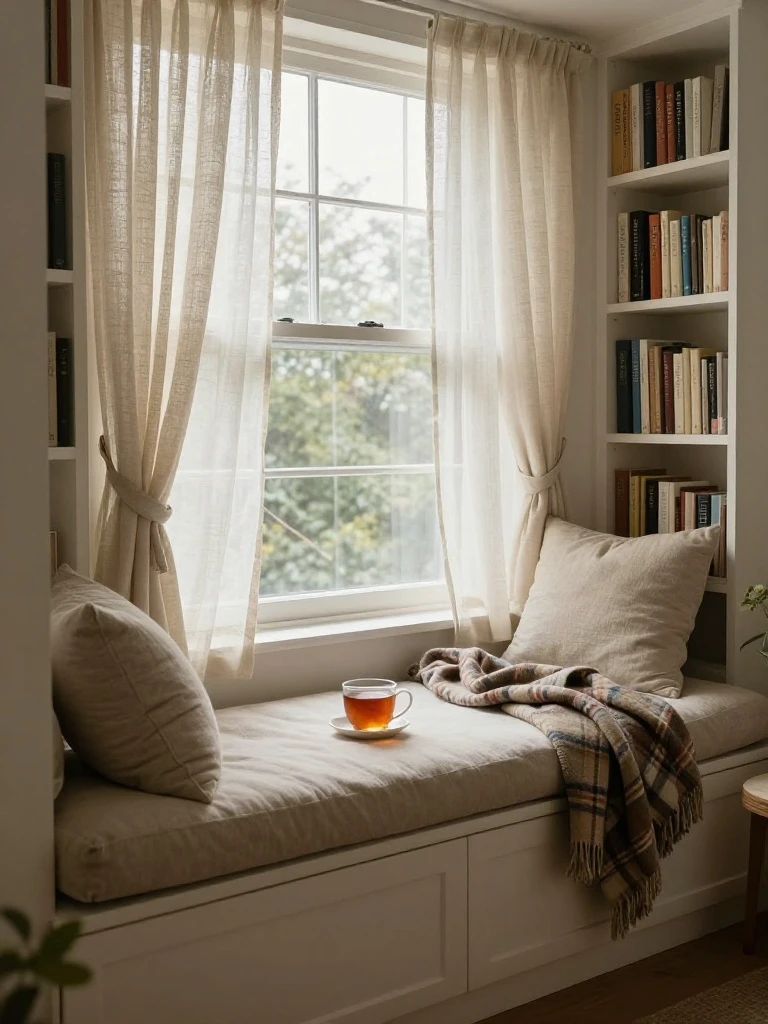
A reading nook is the heartbeat of any cozy home library setup. It’s the spot where you actually sit down, open a book, and disappear for two hours. Without it, even the most beautiful library becomes a decorative display case rather than a functional retreat. Every great library needs a place to land.
How to design a reading nook at home follows a simple formula: a comfortable seat, good lighting positioned over your shoulder, and a surface nearby for your coffee cup. A deep window seat with a thick cushion, flanked by built-in shelves, hits all three. Alternatively, a wingback armchair angled toward a floor lamp in a quiet corner creates that same sense of enclosure and warmth. Layer a throw blanket and a small side table to complete it.
Home Library Color Schemes and Wall Ideas
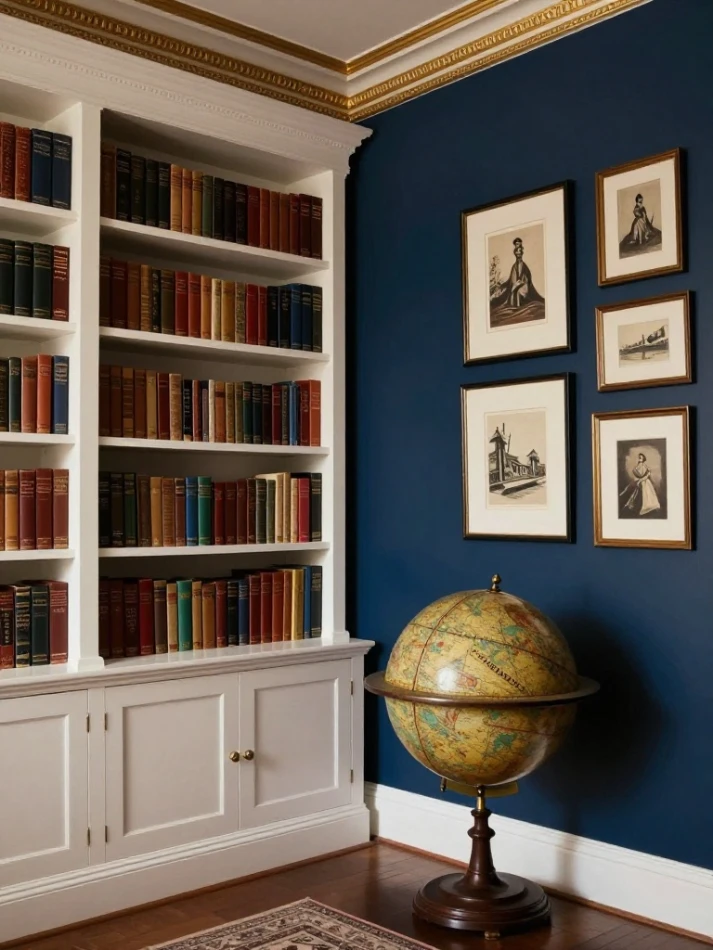
Color sets the emotional temperature of your library. Deep, saturated tones — forest green, navy, burgundy, charcoal — create the intimate, womb-like feeling associated with traditional libraries. Lighter palettes in cream, warm white, or sage green produce an airy, Scandinavian-inspired reading space that feels equally inviting. Your home library interior design vision should drive the palette choice.
Wallpaper has made a massive comeback in American home design, and library spaces are one of its strongest applications. Botanical prints, classic stripes, moody landscapes, and even faux-book wallpaper create extraordinary visual interest. Pair a dark, richly papered ceiling with lighter walls — a technique called a “fifth wall” treatment — to add drama without overwhelming a smaller space. Home library decor ideas consistently favor richness over minimalism for this particular room.
Best Lighting Ideas for a Home Library Room
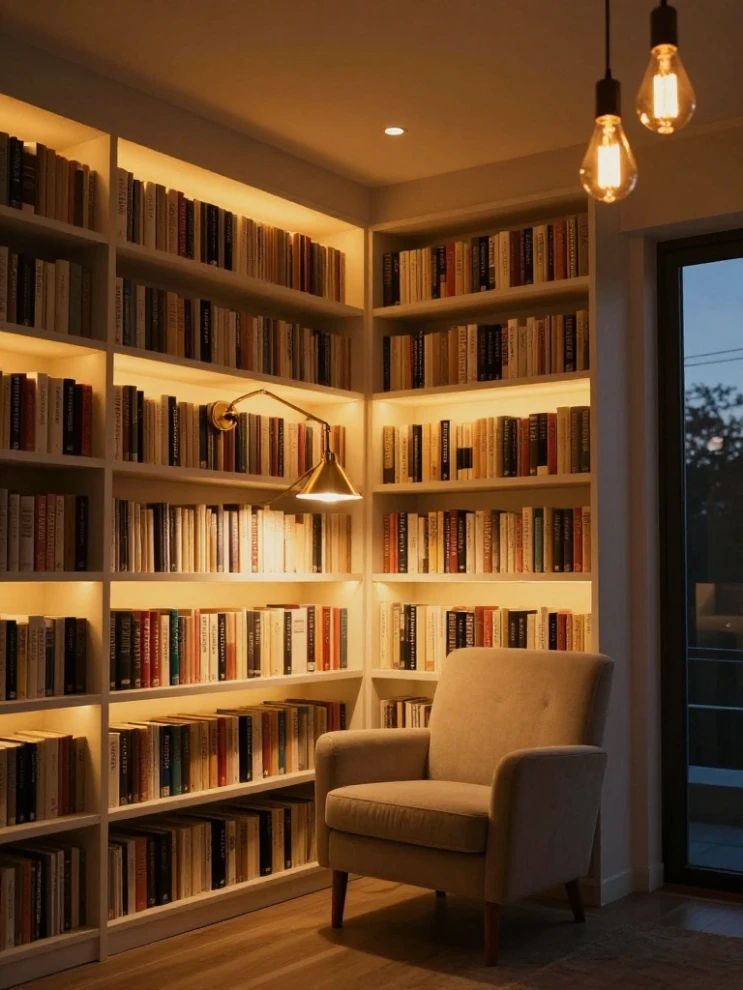
Lighting in a library does two jobs: it sets the mood and it protects your eyes. Overhead ambient lighting alone isn’t enough. You need layered lighting — ambient, task, and accent — working together to create a space that’s both beautiful and functional. Readers who rely on a single ceiling fixture often experience eye strain within 30 minutes.
Task lighting positioned directly over your reading chair is non-negotiable. Swing-arm wall sconces, adjustable floor lamps, and under-shelf LED strips all deliver focused illumination exactly where you need it. For ambiance, picture lights above artwork, Edison bulb pendants, and soft recessed lighting create warmth without harshness. Home library room design experts recommend warm-toned bulbs in the 2700K–3000K range to create that golden, inviting glow that makes you want to stay for hours.
| Lighting Type | Best Use | Recommended Placement |
|---|---|---|
| Recessed Downlights | General ambient | Ceiling, evenly spaced |
| Swing-Arm Sconce | Reading task light | Beside reading chair |
| Under-Shelf LED Strip | Accent & task | Below each shelf tier |
| Floor Lamp | Flexible task light | Behind/beside armchair |
| Picture Light | Art accent | Above framed artwork |
Home Library Furniture You Really Need
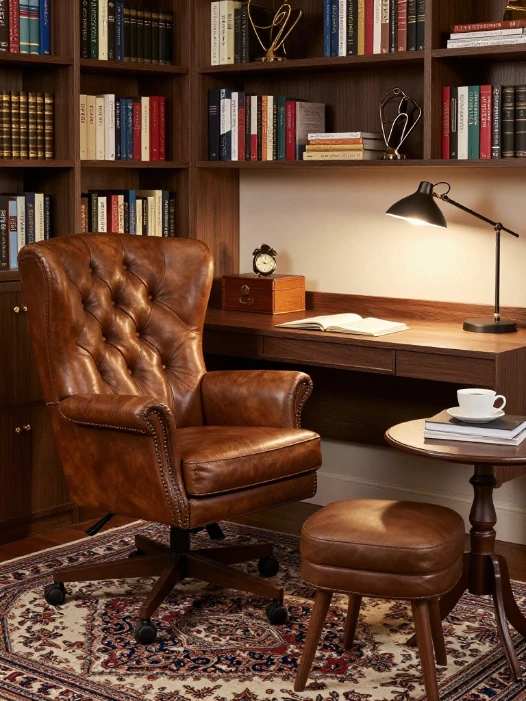
Furniture choices make or break a library’s functionality. Beyond bookshelves, every well-designed reading room needs a few core pieces. The most important is a great chair — specifically one with proper lumbar support, wide enough arms to rest a book, and upholstered in a fabric that invites long sessions. Don’t rush this purchase.
A sturdy reading table or writing desk adds versatility, especially in a combo home office library setup. A footstool or ottoman elevates the comfort of your reading chair considerably. Finally, a small side table at elbow height next to your chair handles beverages, bookmarks, and reading glasses. Home library decor ideas often overlook practical furniture pieces in favor of aesthetics — but the right furniture is what makes people actually use the space daily rather than just admire it.
How to Organize Your Books Like a Pro
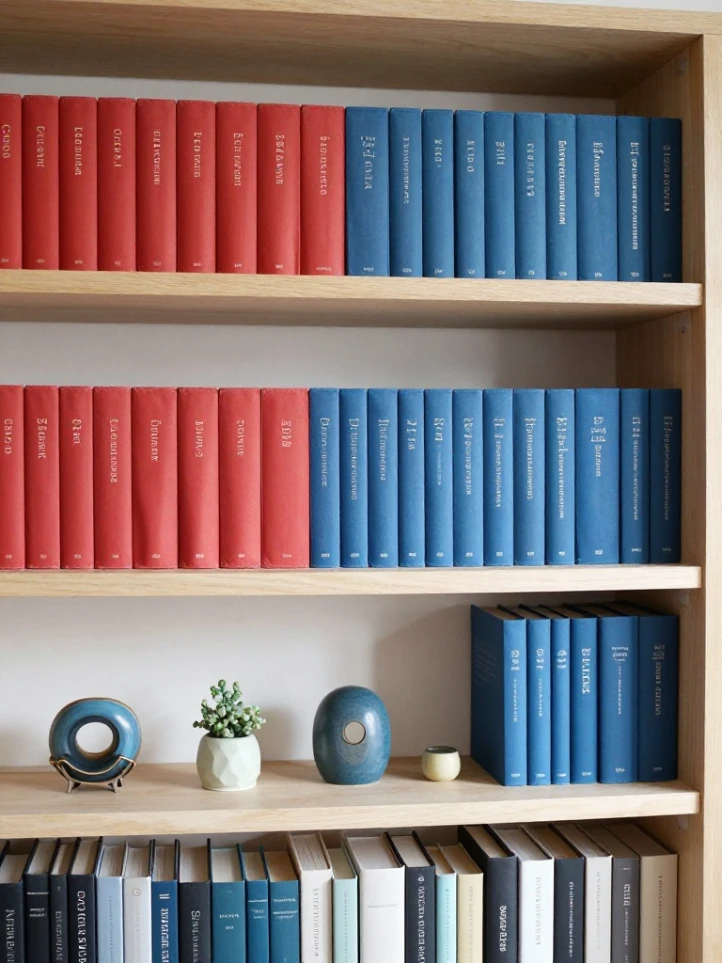
A disorganized library is a frustrating library. The best way to organize books at home depends entirely on how your mind works. Some readers love the color-coded aesthetic — arranging books by spine color creates a stunning visual display. However, if you actually want to find books when you need them, organizing by genre or subject matter is far more practical.
Alphabetical organization by author surname works brilliantly for fiction collections. For non-fiction, topic-based groupings — history, science, biography, cooking — make browsing intuitive. How many bookshelves do I need for a home library is a question of volume: plan for one standard 72-inch bookcase per 100 books, and always build in 20% extra capacity for growth. Label shelf sections with small, tasteful tags so guests and family members can navigate your collection independently.
Home Library Ideas on a Budget
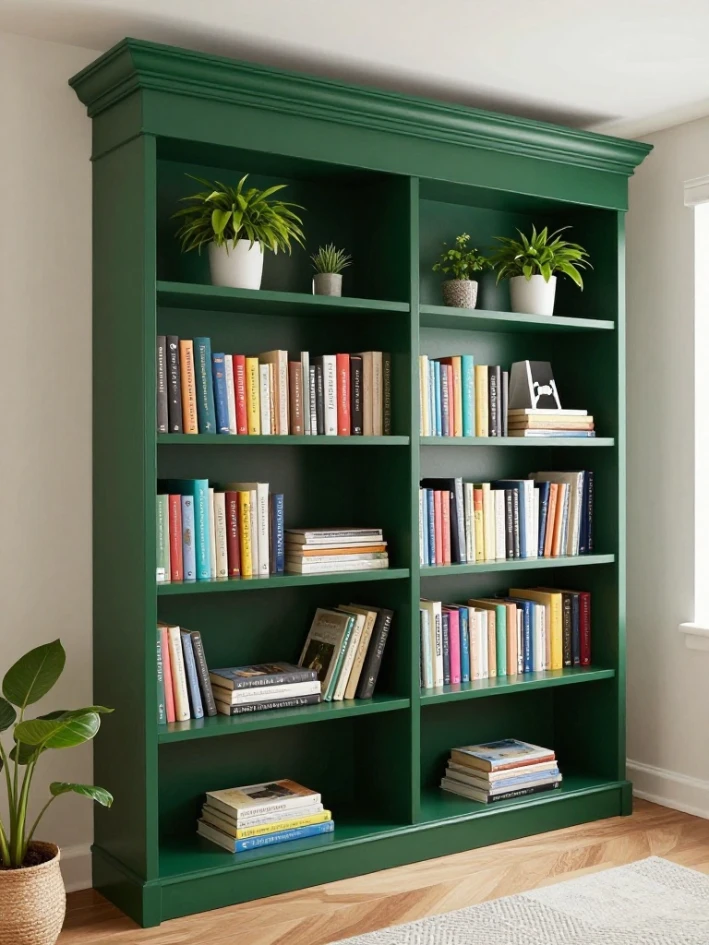
A dream library doesn’t require a designer budget. Home library ideas on a budget start with thrift stores and secondhand marketplaces. IKEA BILLY bookcases, for example, cost under $100 each and, with the right trim and paint treatment, look custom-built. Many American homeowners have transformed entire walls with Billy units and crown molding for under $500 total.
Floating shelves from hardware stores, DIY pipe shelving using black iron plumbing pipes and reclaimed wood, and repurposed antique furniture all deliver extraordinary character at minimal cost. Paint is the single highest-return investment in any budget library makeover. A deep, rich wall color behind open shelves costs $40 in paint and dramatically elevates the entire room. Home library ideas on a budget prove that resourcefulness and good taste cost nothing.
Combining a Home Office and Library in One Room
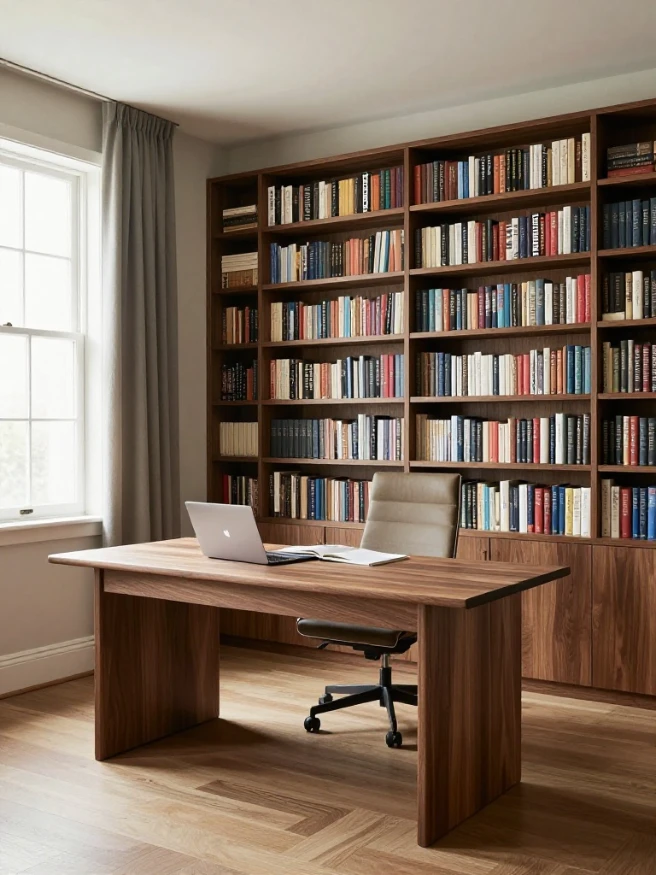
The home office library combo has become one of the most popular interior design trends in post-pandemic America. Millions of remote workers want a workspace that feels inspiring rather than sterile — and surrounding a desk with books does exactly that. The two functions complement each other naturally since both demand focus and minimal distraction.
The key to making this dual-purpose room work is zoning. Place your desk in a well-lit area near a window and position your reading chair in a slightly separate corner of the room, even if only separated by a rug. Home library interior design principles suggest using consistent shelving across both zones to visually unify the space. Keep work materials and reading books on separate shelves so the two functions don’t bleed into each other and create mental clutter.
Ladder Shelves and Rolling Library Ladders: Style Meets Function

Rolling library ladders are the most cinematic element any home library can possess. Gliding along a brass rail to reach a high shelf feels like stepping into a Victorian gentleman’s study — and that experience never gets old. Beyond aesthetics, rolling ladders genuinely solve the practical problem of accessing upper shelves safely. Standard ladder systems from retailers like Putnam Rolling Ladder Co. start around $400 and can be customized extensively.
Freestanding ladder shelves — the leaning A-frame variety — offer a more affordable, no-installation alternative. They work particularly well in smaller spaces where a full rolling system isn’t feasible. Lean one against a tall built-in for visual interest even if it’s purely decorative. Home library bookshelf ideas that incorporate vertical ladder elements consistently earn more visual engagement in interior design publications than standard shelf configurations.
How to Decorate a Home Library With Personal Touches
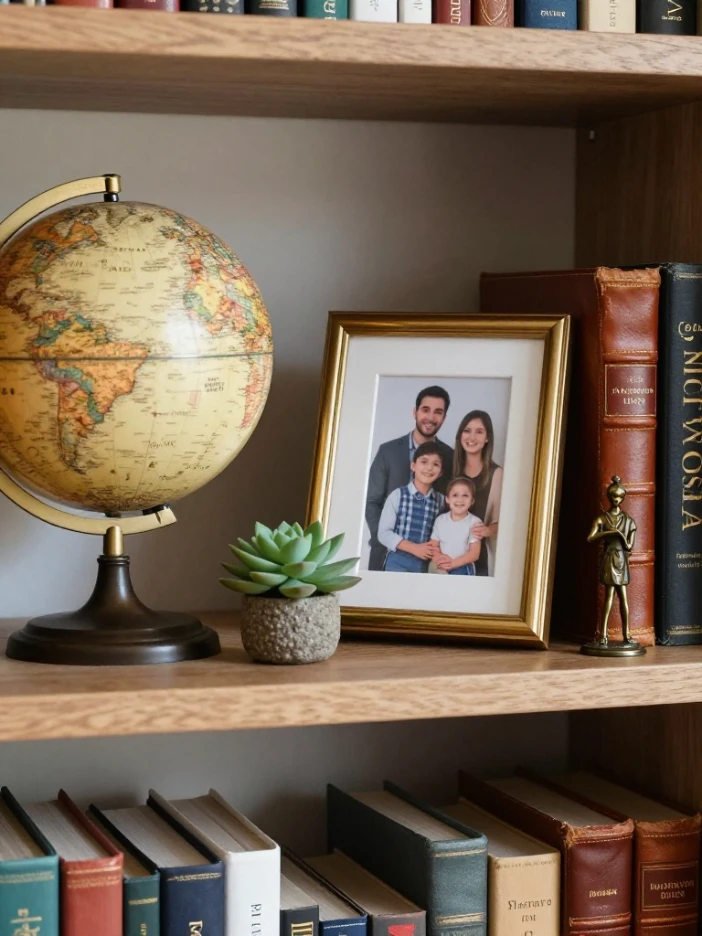
The most memorable libraries feel deeply personal. Your home library decor ideas should layer in objects and artworks that tell your story alongside the books themselves. Framed vintage maps, antique globes, curated art objects, and meaningful photographs all transform a generic bookshelf into a personal archive of experiences and interests.
Consider grouping books with small decorative vignettes on open shelves — a small plant, a sculptural object, a framed print — to break up the visual monotony of spine-after-spine display. Introducing texture through leather-bound books, woven baskets for loose magazines, and linen-covered storage boxes adds warmth and dimension. A truly great cozy home library setup feels like it evolved organically over years, not like it was assembled in an afternoon from a single catalog.
Kid-Friendly Home Library Ideas for Families
Making Reading Irresistible for Children
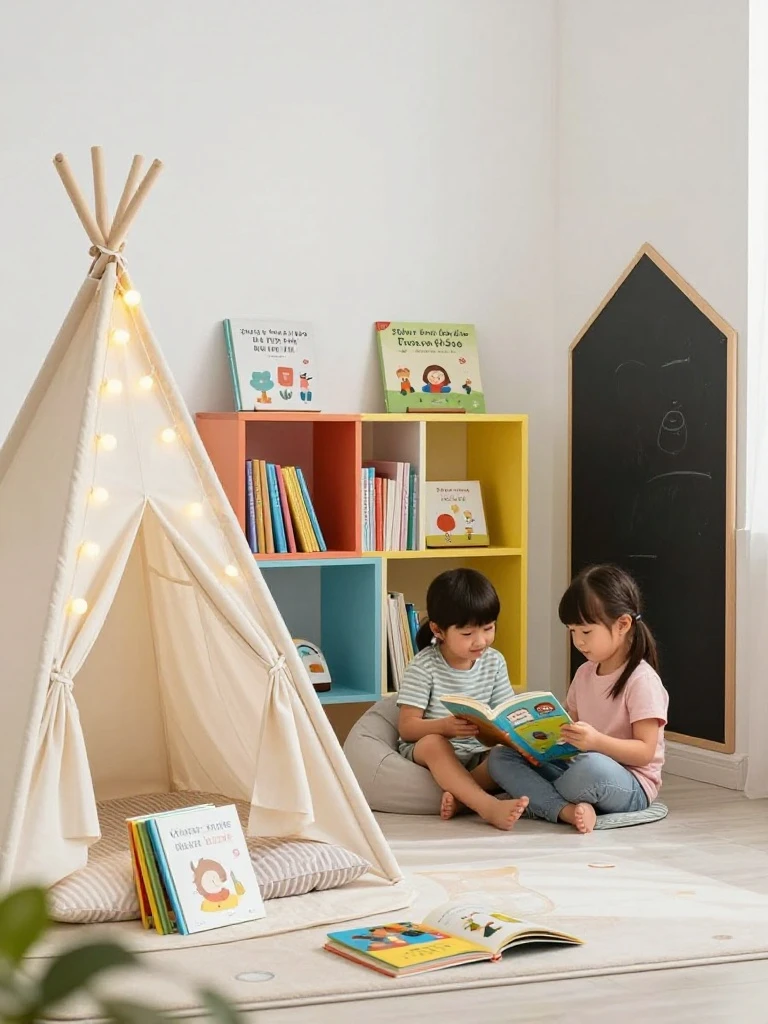
Children who grow up with access to a dedicated reading space develop stronger literacy skills and a lifelong love of books. Personal library ideas for home that include children should prioritize accessibility — low shelves at their eye level, a soft floor cushion or beanbag, and bright, playful organization that makes finding books feel like an adventure rather than a chore.
Designing a Space That Grows With Them
Use adjustable shelving systems so lower shelves serve toddlers now and can be repositioned as children grow. A small chalkboard wall in the corner adds a playful creative element. Dedicate a specific shelf section as their personal collection — labeling it with their name builds ownership and pride. Dream home library ideas for families work best when adults and children share the same physical space but have clearly defined, age-appropriate zones within it.
you may can also like this :15 Luxury Living Room Design Ideas: Transform Your Space Into an Elegant Retreat
Final Tips to Build Your Dream Home Library Step by Step
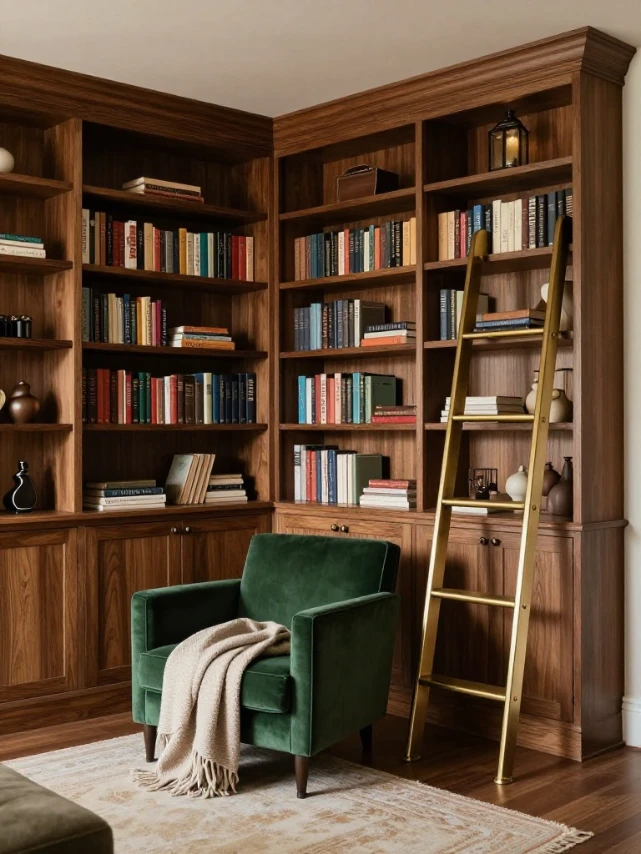
Building your dream home library ideas into reality doesn’t happen overnight — and it shouldn’t. The most beautiful home libraries in America were assembled gradually, with intention. Start with the shelving infrastructure first since everything else follows from it. Choose your wall color next, then layer in furniture, lighting, and decor as budget and inspiration allow.
Don’t wait until everything is perfect before using the space. Put your books on the shelves, sit in your chair, and let the room live. You’ll quickly discover what’s missing and what works brilliantly. The best reading room design ideas always emerge from actual use rather than theory. A library that gets used every single day — dog-eared pages, coffee rings on side tables, a throw blanket perpetually unfolded — is infinitely more valuable than a pristine showroom that nobody touches.