

16 Japandi Living Room Designs Minimalist Zen: A Complete Guide to Calm Modern Living
The idea of Japandi living room designs minimalist zen blends two powerful styles into one calm direction. It mixes Japanese simplicity with Scandinavian comfort. This style builds spaces that feel open, quiet, and deeply balanced. Many American homes now follow this look for stress-free daily living.
A Japandi living room focuses on harmony instead of decoration overload. It removes noise and keeps only meaningful items. This creates a Minimalist Japandi interior where every object has purpose. The result feels like cozy and peaceful interiors that support mental clarity and emotional ease.
The foundation of this style relies on Scandinavian simplicity meets Japanese elegance. You will see soft tones, wooden details, and balanced space. It avoids chaos and supports flow. That is why Japandi style living room design is becoming popular in modern USA homes.
What Is a Japandi Living Room Style?

A Japandi living room is a fusion of two design worlds. It combines Scandinavian warmth with Japanese calm structure. This mix creates a balanced and grounded interior style.
The focus stays on minimalist home styling and functional beauty. Every piece is chosen with care. This creates a cozy minimalist living room that feels natural, not forced. The style avoids clutter and highlights open breathing space.
Many designers call it a Calm living room decor system. It works well in both houses and Japandi apartment living room setups.
Why Japandi Design Creates a Calm Zen Atmosphere

Japandi design builds emotional peace through structure. It removes distraction and creates silence inside a room. That is why Zen living room ideas are strongly linked with this style.
The mind relaxes when space feels organized. Clean lines and empty corners reduce stress. This supports a serene home atmosphere that feels like a quiet retreat.
This approach reflects modern zen aesthetic thinking. It turns homes into emotional healing spaces, not just decorated rooms.
Choosing Neutral Colors for a Japandi Living Room

Color plays a powerful role in Japandi home decor. Soft shades like beige, cream, and grey dominate this style. These tones support balance and visual calm.
you may can also like this:15 Summer Wreath Ideas for Front Door That Instantly Refresh Your Home
A Neutral living room design avoids bright distractions. It creates smooth transitions between objects and walls. This helps form an Earth tone living room that feels grounded and natural.
Designers often combine muted palettes with natural light. This enhances a light and airy living room effect that feels open and fresh.
Minimalist Furniture Ideas for a Japandi Space
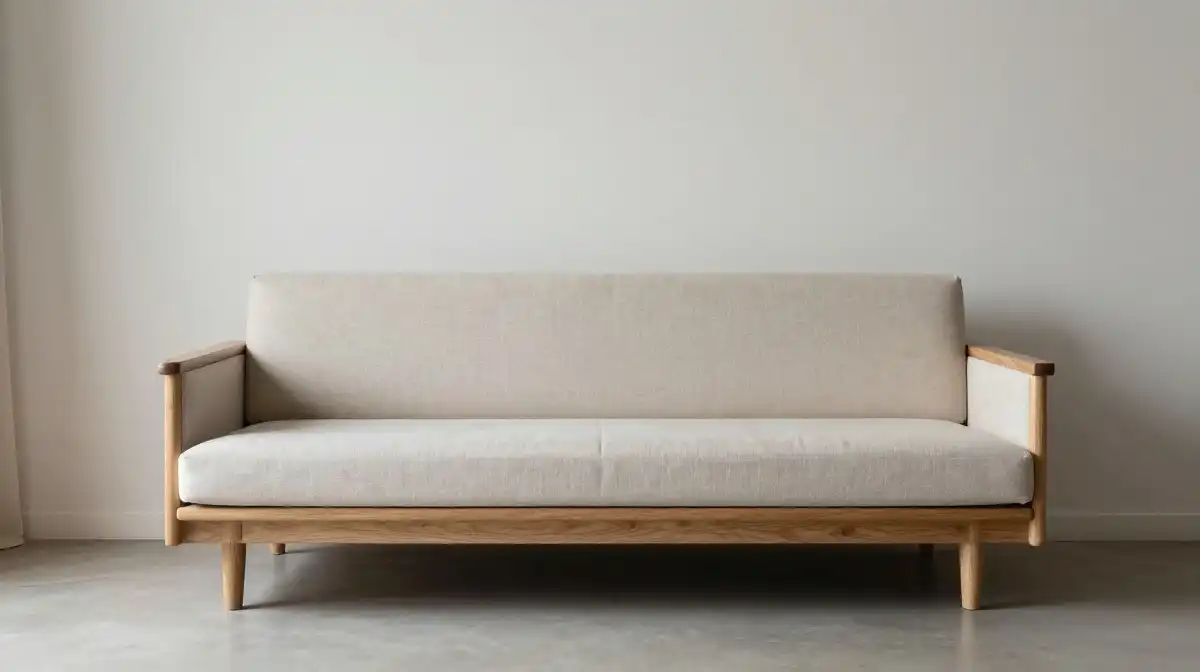
Furniture in Japandi design stays simple and useful. It avoids heavy decoration and focuses on structure. This defines true Japandi furniture ideas.
Most pieces follow low profile furniture design principles. Sofas stay close to the ground. Tables use clean shapes and smooth edges.
A functional minimalist furniture approach ensures every item has a purpose. This creates balance between comfort and simplicity.
| Furniture Type | Japandi Feature |
|---|---|
| Sofa | Low, soft, neutral fabric |
| Table | Natural wood, simple shape |
| Chair | Lightweight, ergonomic |
| Storage | Hidden and clean design |
Best Natural Materials for Japandi Interiors
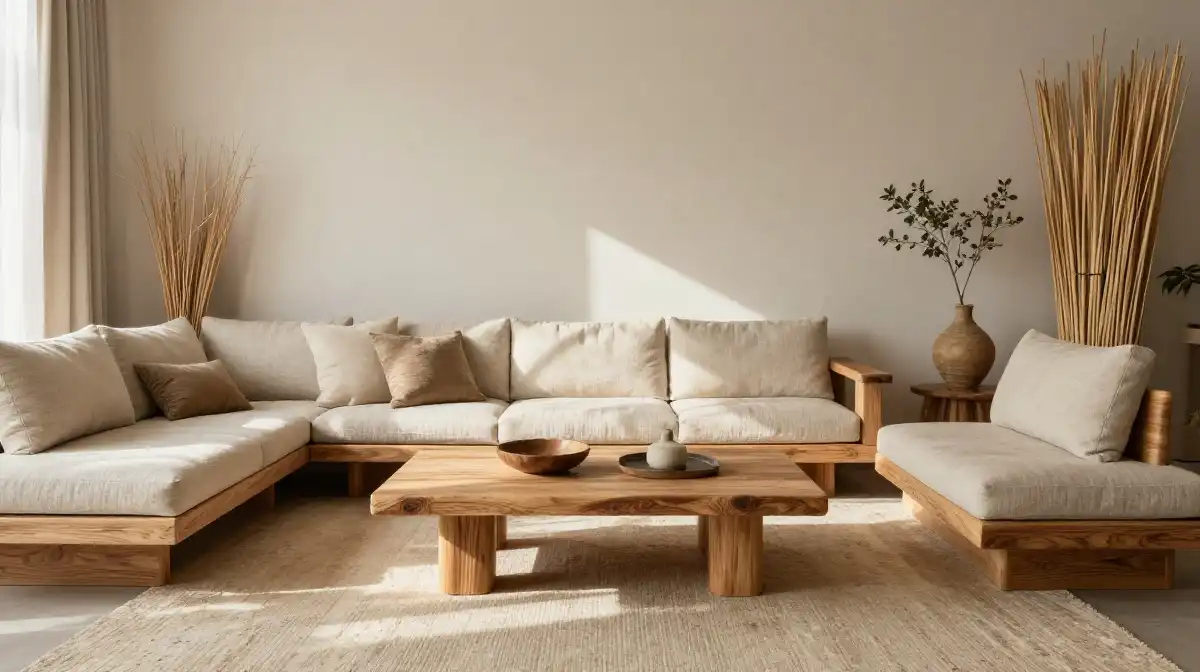
Materials shape the identity of this style. Wood, linen, stone, and cotton dominate the space. These elements create natural textures and materials that feel authentic.
A Natural wood living room brings warmth into minimal design. It softens the clean structure. This balance is key for Japandi harmony.
Designers prefer raw finishes over polished surfaces. This supports organic modern living room aesthetics that feel grounded and honest.
How to Add Warm Wood Accents in Japandi Decor
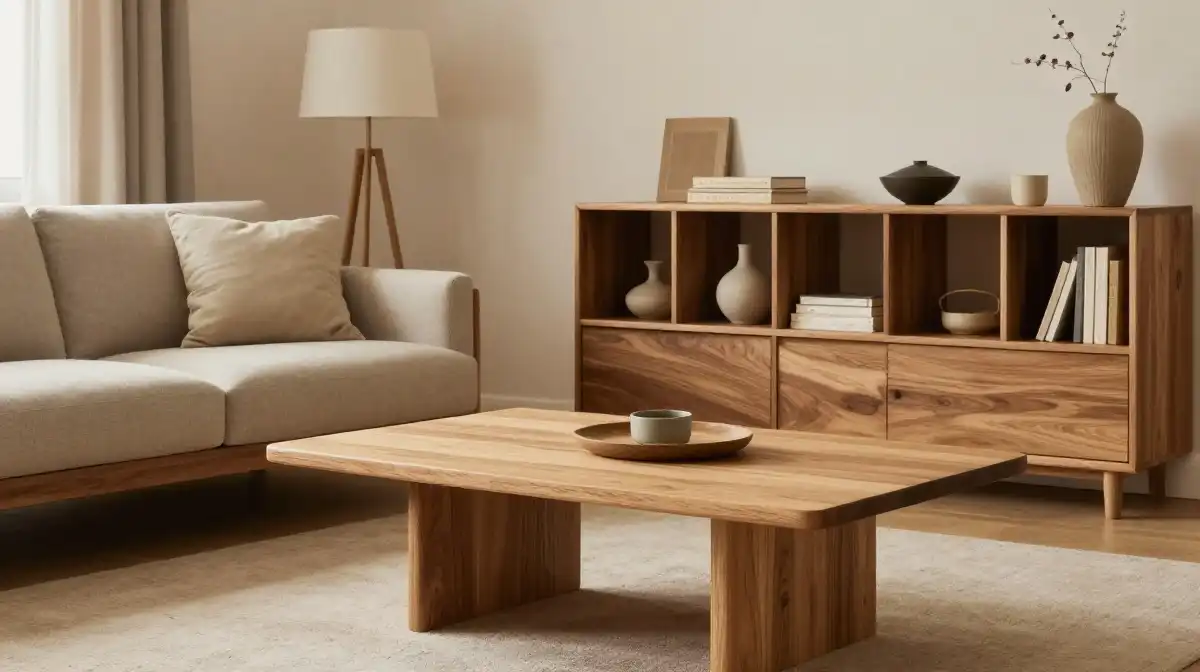
Wood brings emotional depth into Japandi design. It creates contrast against neutral walls. This forms warm wood accents that feel inviting.
Oak and walnut are common choices. They add natural richness without overwhelming the space. This helps achieve warm minimalist interiors.
Wood also improves texture balance. It connects indoor spaces with nature in a subtle way.
Japandi Living Room Lighting Ideas for a Soft Cozy Feel
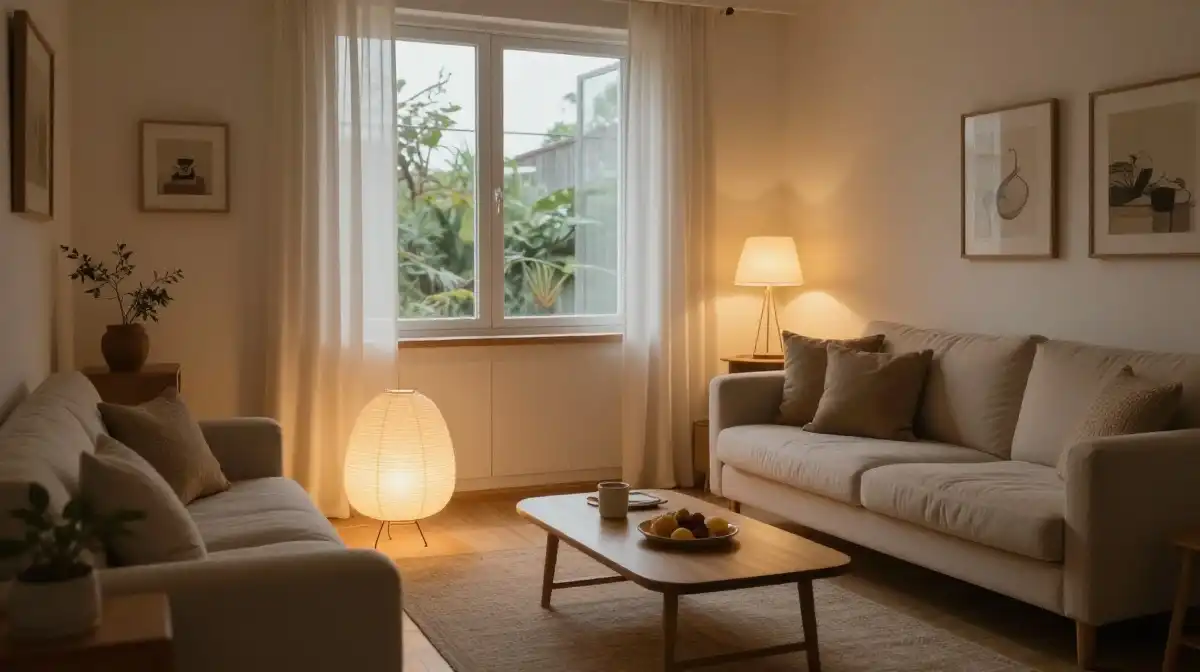
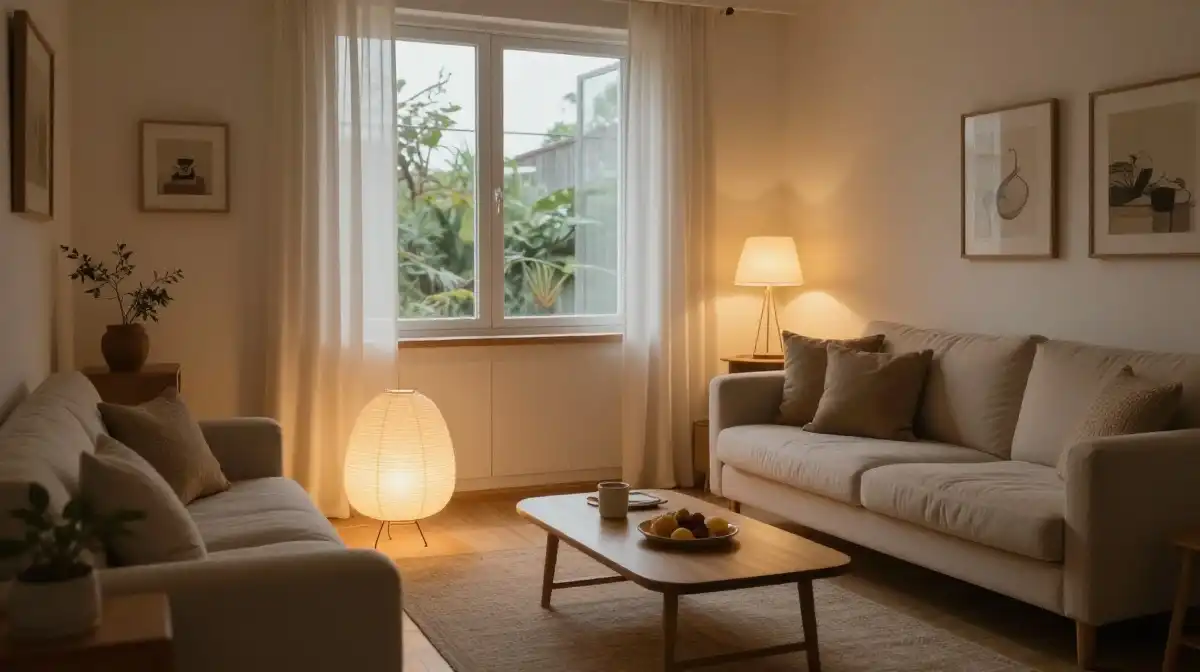
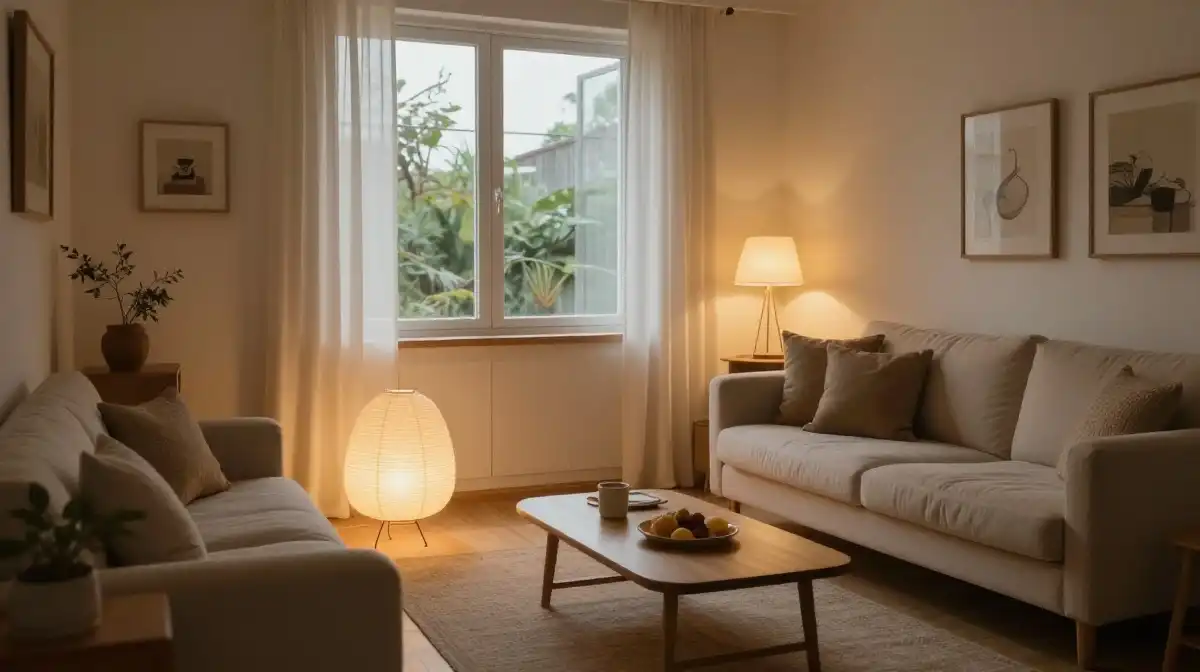
Lighting defines mood in Japandi interiors. Soft light replaces harsh brightness. This supports a serene home atmosphere.
Natural sunlight is highly valued. Large windows help create a natural light interior styling effect. Evening lighting uses warm tones.
This builds a cozy and peaceful interiors experience that feels calm all day.
Creating a Clutter-Free Minimalist Zen Living Room

Clutter destroys Japandi balance. This style depends on open space and clean structure. That is why minimalist home styling is essential.
Storage stays hidden and simple. Only meaningful items remain visible. This creates a true clean and clutter free space.
A calm environment forms when everything has its place. This supports long-term mental clarity.
Japandi Living Room Designs for Small Spaces
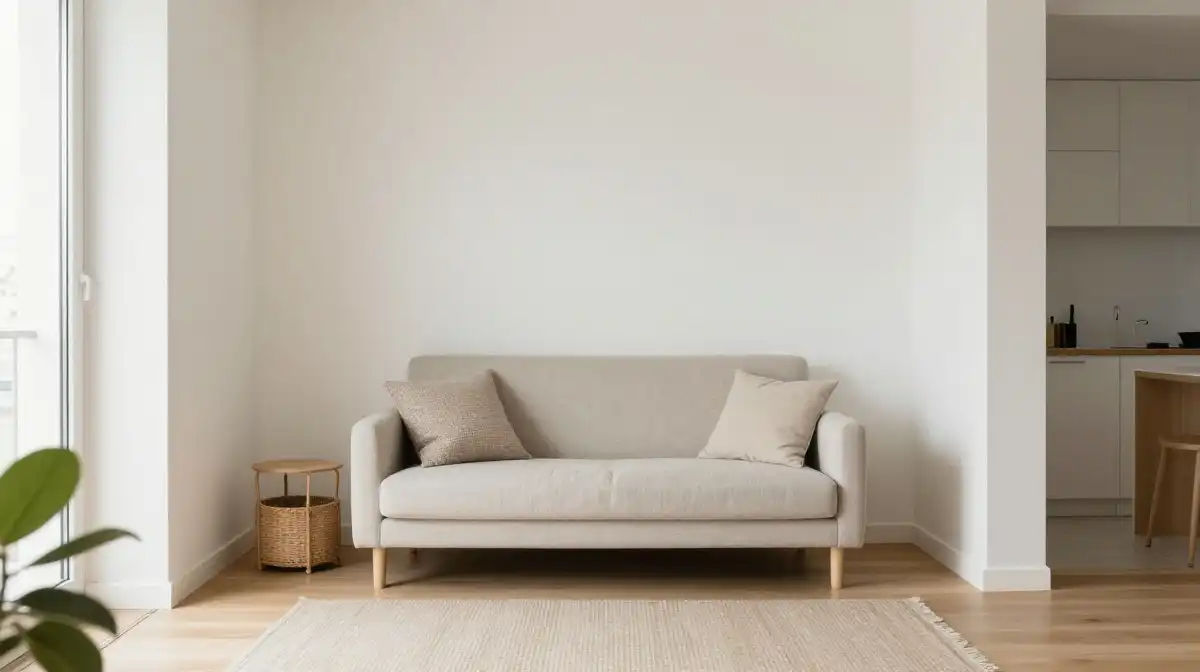
Small homes benefit strongly from Japandi design. It makes rooms feel larger and brighter. This works well for Japandi apartment living room setups.
Light colors and open layouts increase space perception. Mirrors and simple furniture help expand visual flow.
This creates a simple yet cozy home ideas environment even in compact areas.
Cozy Textures That Complete a Japandi Interior

Texture adds life to minimal design. Without it, rooms feel flat. Japandi style uses soft materials carefully.
Linen, wool, and cotton create textured linen decor effects. These materials add comfort without clutter.
This balance supports balance of comfort and simplicity in every corner.
Indoor Plants That Enhance a Zen Living Room
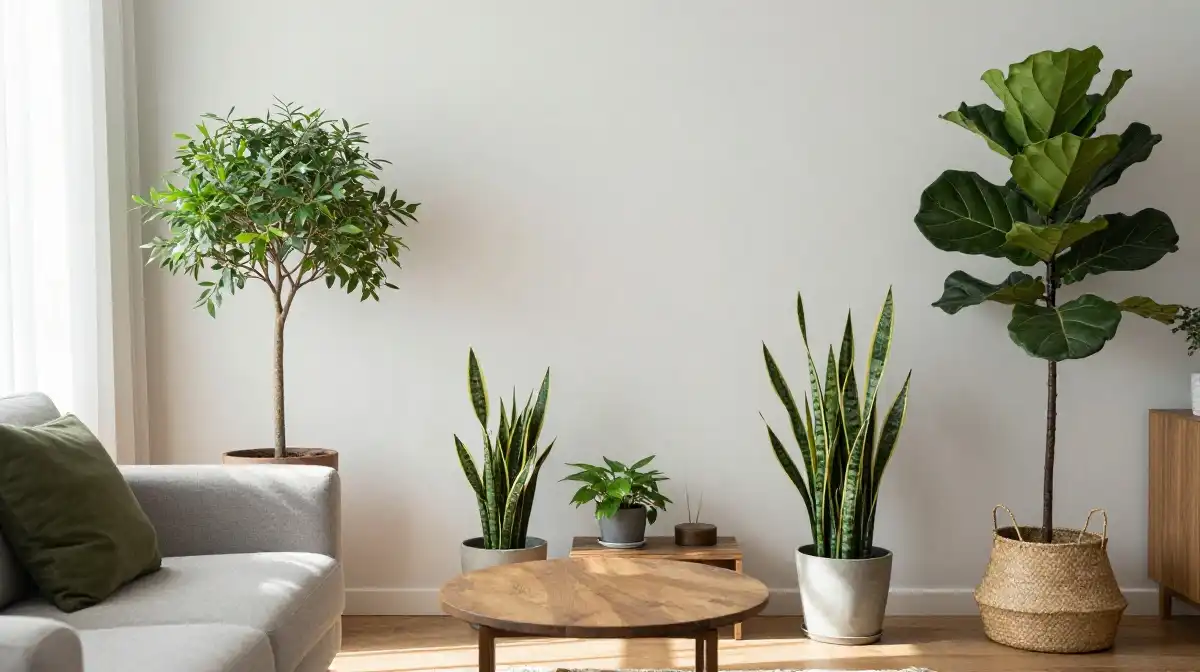
Plants bring nature inside. They improve air quality and mood. This is a key part of indoor plants for zen decor.
Simple plants like snake plants or bonsai fit well. They match the modern zen aesthetic perfectly.
Green elements soften rigid lines and support natural balance.
Japandi Wall Decor Ideas for a Simple Elegant Look
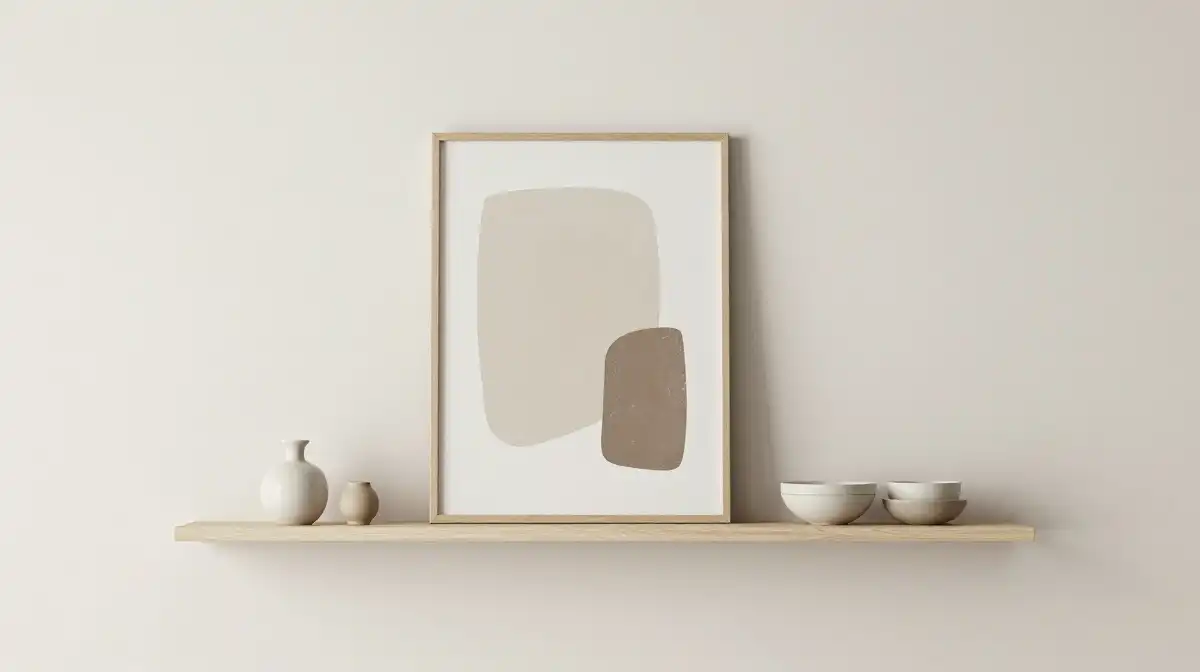
Walls stay minimal in Japandi design. Too many items break harmony. Clean walls support simple zen interiors.
Art pieces stay abstract or nature-inspired. This creates a calm visual rhythm. Floating shelves are used lightly.
This style follows calming interior inspiration principles for balance.
Mixing Scandinavian Simplicity With Japanese Elegance
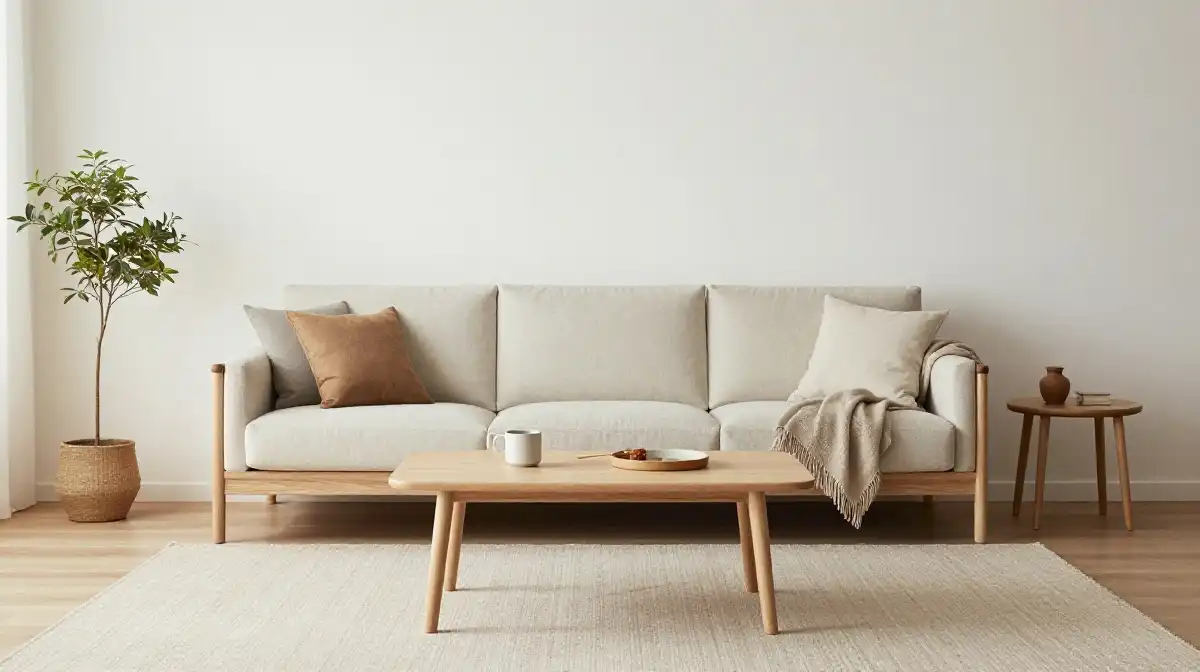
This fusion defines Japandi identity. It blends two cultural design philosophies into one system.
Scandinavian design adds warmth. Japanese design adds discipline. Together they create harmony.
This is true Scandinavian simplicity meets Japanese elegance in action. It forms a strong Contemporary Japandi style identity.
Budget-Friendly Japandi Living Room Decorating Tips

Japandi design does not require high budgets. Simple choices create strong results. Focus on essentials.
Thrift stores and DIY projects help build style affordably. Natural materials keep costs low.
This approach supports Japandi aesthetic without overspending.
Common Mistakes to Avoid in Japandi Interior Design

Over-decoration is the biggest mistake. It breaks calm flow. Japandi needs balance, not clutter.
Mixing too many colors weakens harmony. Stick to neutral tones.
Avoid ignoring function. Beauty must support daily living.
How to Create a Timeless Japandi Living Room at Home
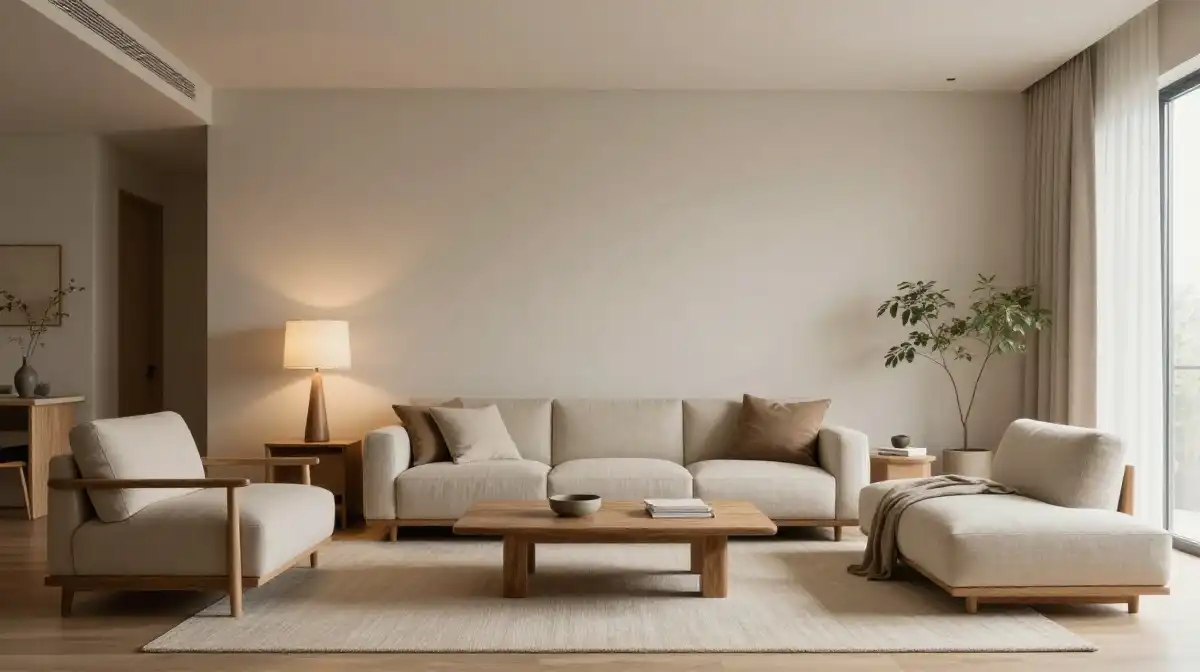
Timeless design focuses on simplicity and intention. It avoids trends and follows balance.
A strong timeless minimalist design never feels outdated. It evolves slowly over time.
Japandi works best when you respect space, light, and nature. It becomes more meaningful with age.