30 Adorable Nursery Decor Ideas for Your Little One
Few rooms in a home carry as much emotional weight as a nursery. It is the first space your child will ever know, the room where you will spend countless quiet hours in the middle of the night, and the place where some of the most tender early memories of parenthood are made. Getting it right, in terms of both beauty and function, matters more than most people realize when they first begin planning.
The good news is that nursery decor has never been more thoughtfully designed or more inspiring than it is right now. Parents today are moving beyond the default of plain white walls and generic pastel accents toward spaces that feel genuinely personal, visually rich, and built to grow alongside their children. Whether your taste leans toward soft and serene, bold and colorful, nature-inspired, or classically elegant, there is a world of nursery decor ideas waiting to help you create the perfect room for your little one.
This guide brings together 30 of the most adorable and practical nursery decor ideas, organized by category so you can approach your design decisions with clarity and confidence. From the first coat of paint on the walls to the final stuffed animal placed in the corner, every choice here is designed to help you build a space that is as beautiful as it is functional, and as comforting for you as it is for your baby.
Nursery Color Palette Ideas That Set the Tone
Color is the single most powerful tool in any nursery design. It shapes the mood of the entire room before a single piece of furniture is placed or a single piece of art is hung. The right palette creates an environment that feels calming, joyful, and complete.
1. Soft Sage Green Walls
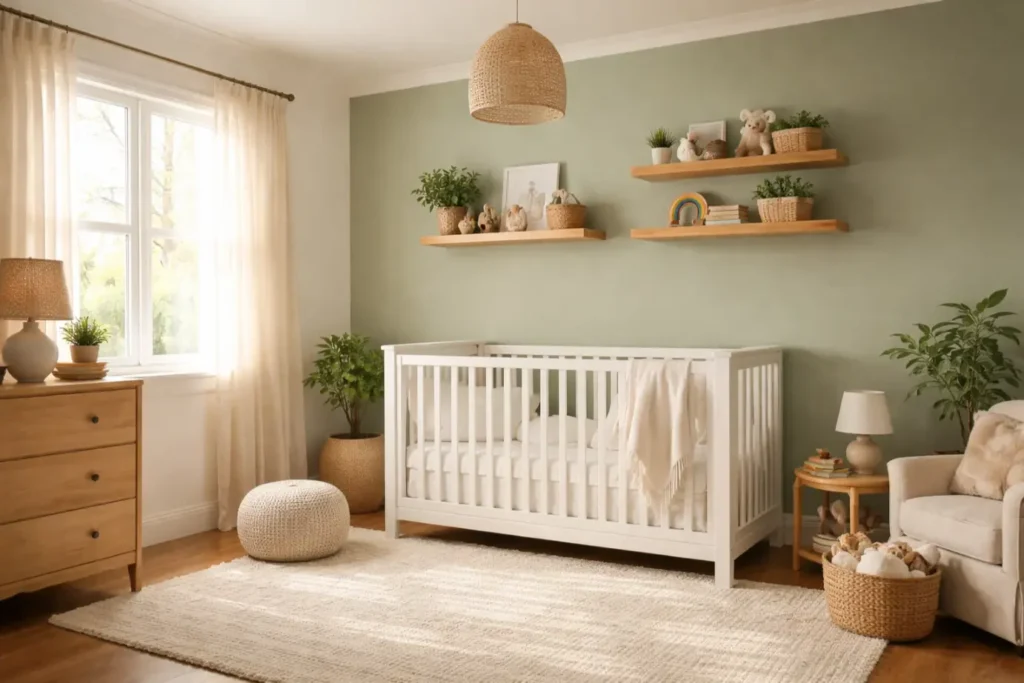
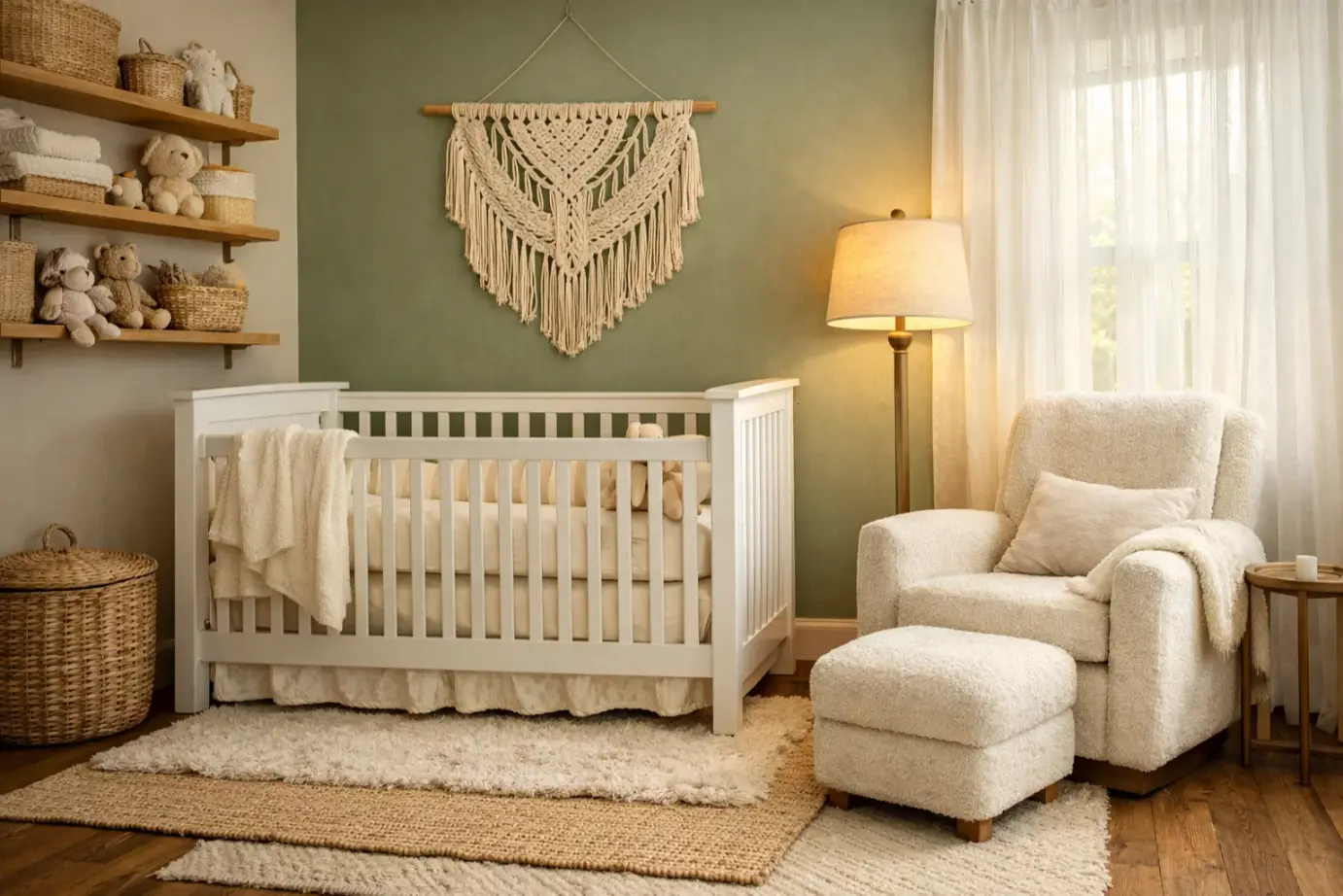
Sage green has become one of the most beloved nursery colors for good reason. It is warm without being aggressive, nature-inspired without being literal, and flexible enough to pair beautifully with natural wood tones, white furniture, and almost any accent color. A sage green nursery feels like a gentle exhale, calm and welcoming in equal measure.
2. Warm Taupe and Cream Tones
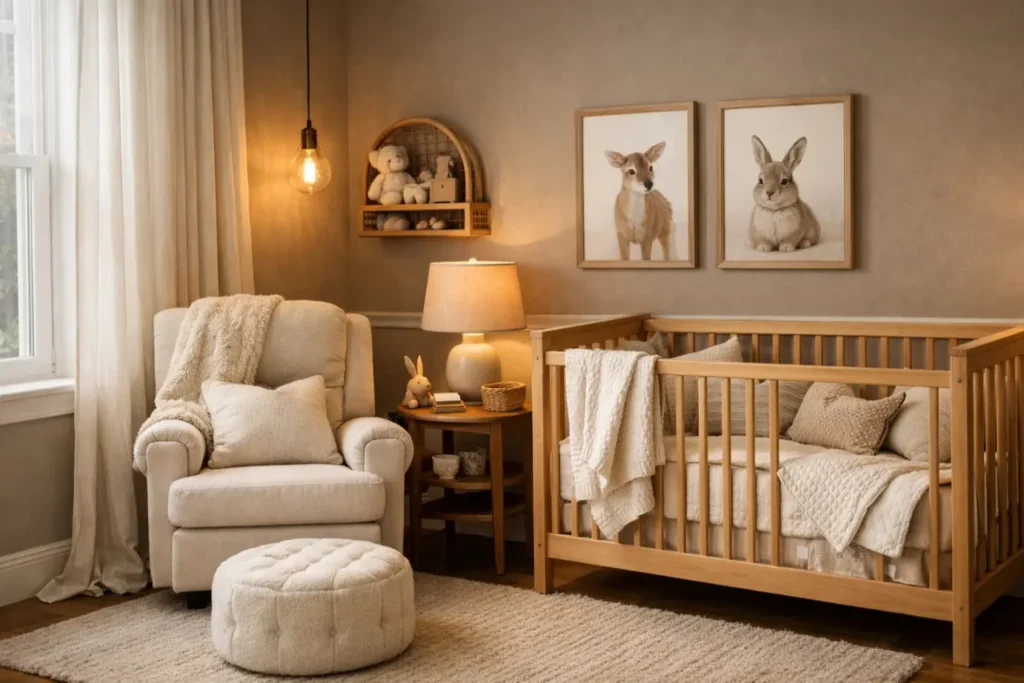
Warm taupe and cream create a timeless neutral foundation that works across every nursery theme and style. Unlike cool grays, which can feel clinical in a baby’s room, warm neutrals wrap the space in a cozy, inviting softness. These tones also age gracefully as your child grows, making them a smart long-term investment.
3. Deep Moody Hues for a Cozy Feel
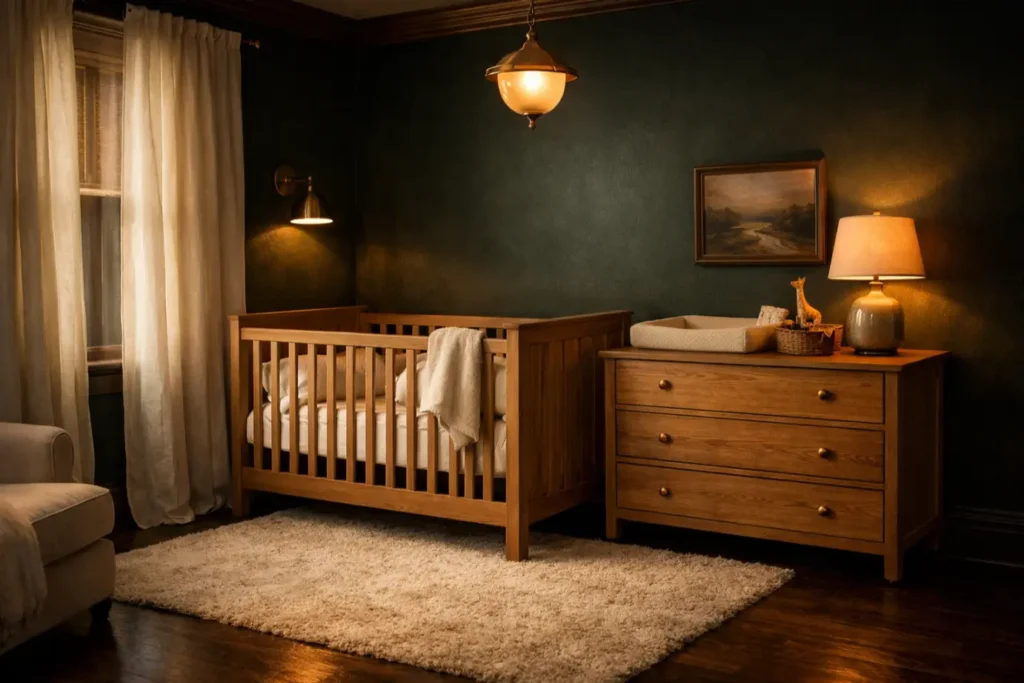
Deep greens, navy blues, and chocolate browns are gaining serious traction in nursery design. Rather than making a small room feel smaller, a bold coat of deep color on the walls creates an intimate, cocoon-like atmosphere that is genuinely soothing for both babies and parents. Pair a deep wall color with natural wood furniture and warm lighting for a result that feels sophisticated and inviting.
4. Soft Blush and Dusty Rose
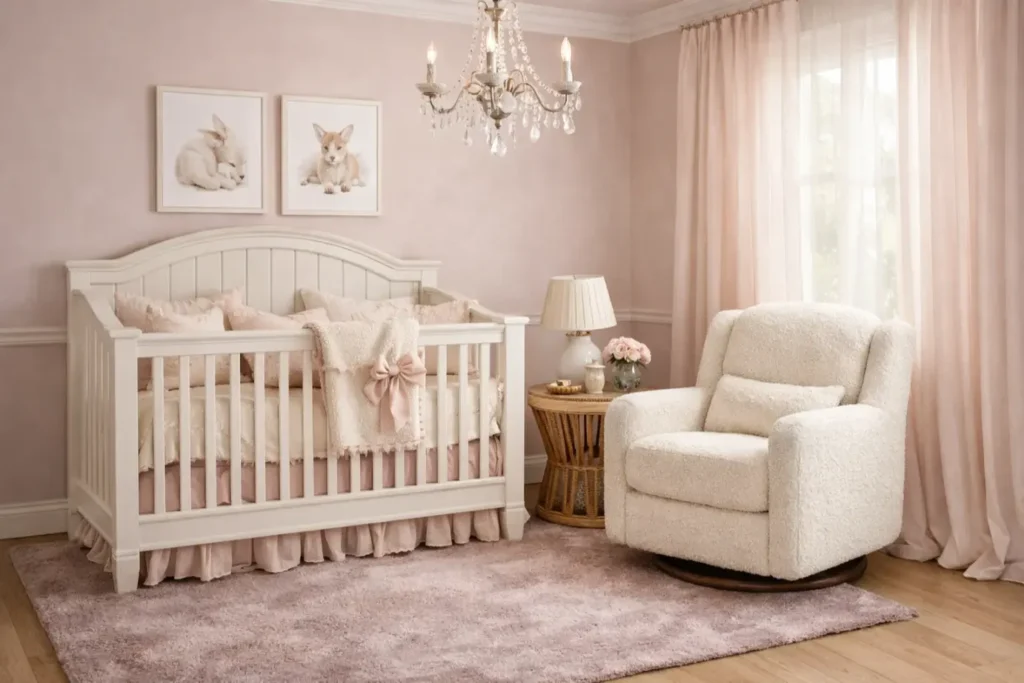
Blush and dusty rose offer a gentler, more grown-up alternative to traditional pink nurseries. These shades feel romantic and warm without veering into saccharine territory. They work beautifully in both girl nurseries and gender-neutral rooms when paired with creams, whites, and natural textures.
5. Classic White with Bold Accents
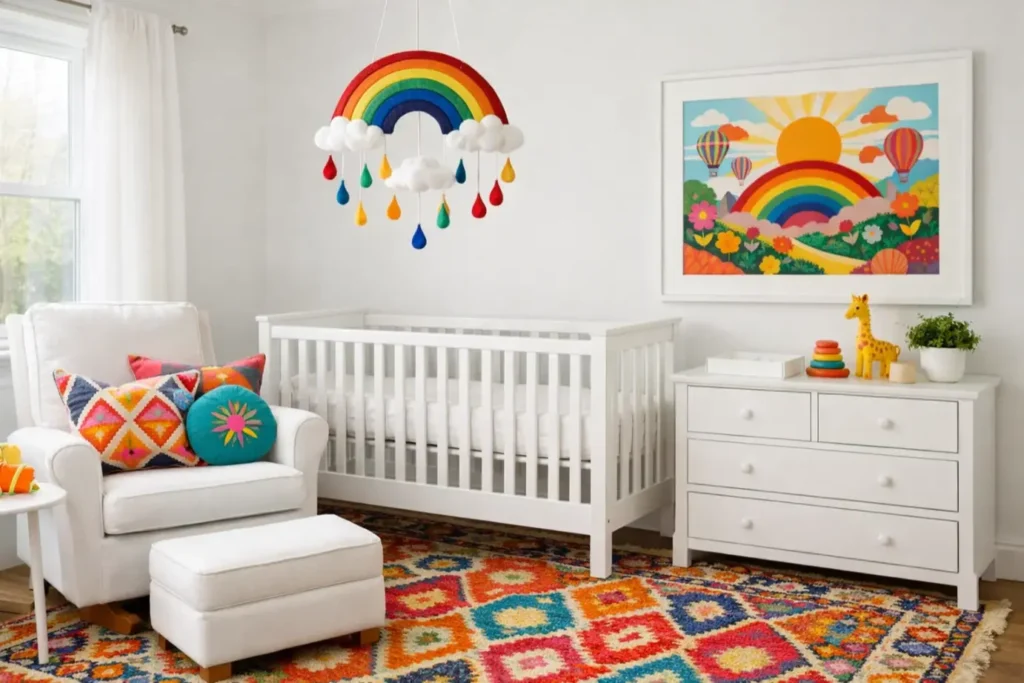
An all-white nursery provides the ultimate blank canvas. The key to making it feel warm rather than sterile lies in the accents: a colorful mobile, a richly textured rug, layered bedding in soft patterns, and a statement piece of wall art. White nurseries are also the easiest to adapt as your child’s tastes evolve.
Wall Decor Ideas That Make a Statement
The walls of a nursery offer more design opportunity than any other surface in the room. From removable wallpaper to hand-painted murals, the choices available to today’s parents are extraordinary.
6. Removable Peel-and-Stick Wallpaper
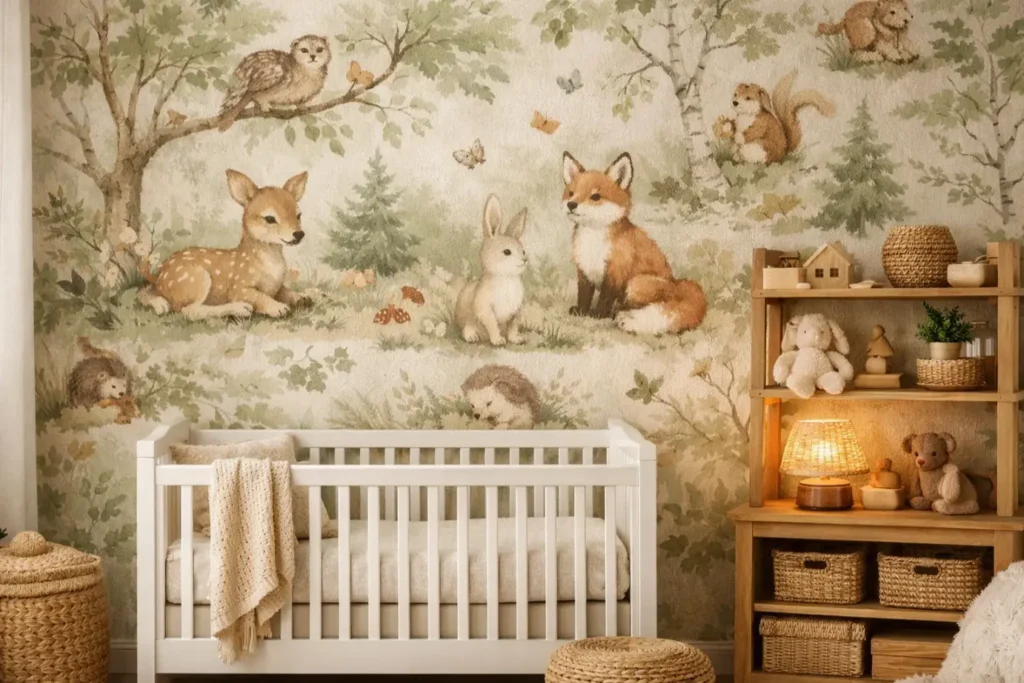
Removable wallpaper has transformed nursery design for renters and homeowners alike. Available in hundreds of patterns ranging from woodland animals to geometric prints to delicate botanicals, peel-and-stick wallpaper creates a dramatic visual impact without permanent commitment. It is also surprisingly affordable and can be changed as your child grows and develops their own preferences.
7. Hand-Painted Nursery Mural
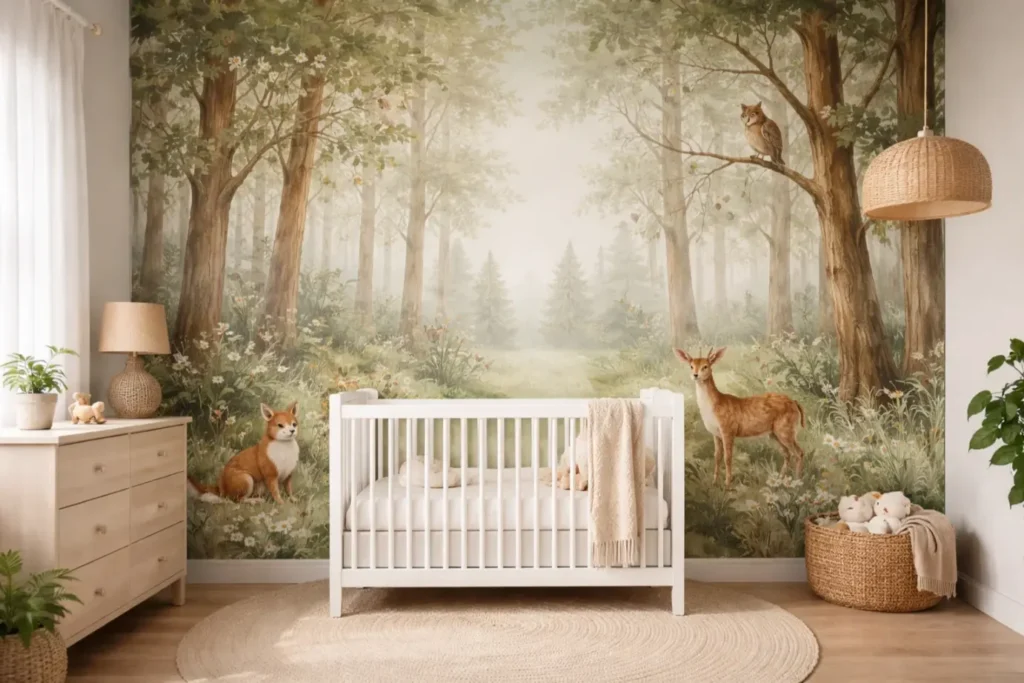
A hand-painted mural turns an entire nursery wall into a work of art. Popular themes include whimsical forests, mountain landscapes, under-the-sea scenes, and starry night skies. If you have some painting ability, a simple mural can be achieved over a weekend. For something more intricate, many local artists specialize in nursery murals and the investment pays visual dividends for years.
8. Macrame Wall Hanging
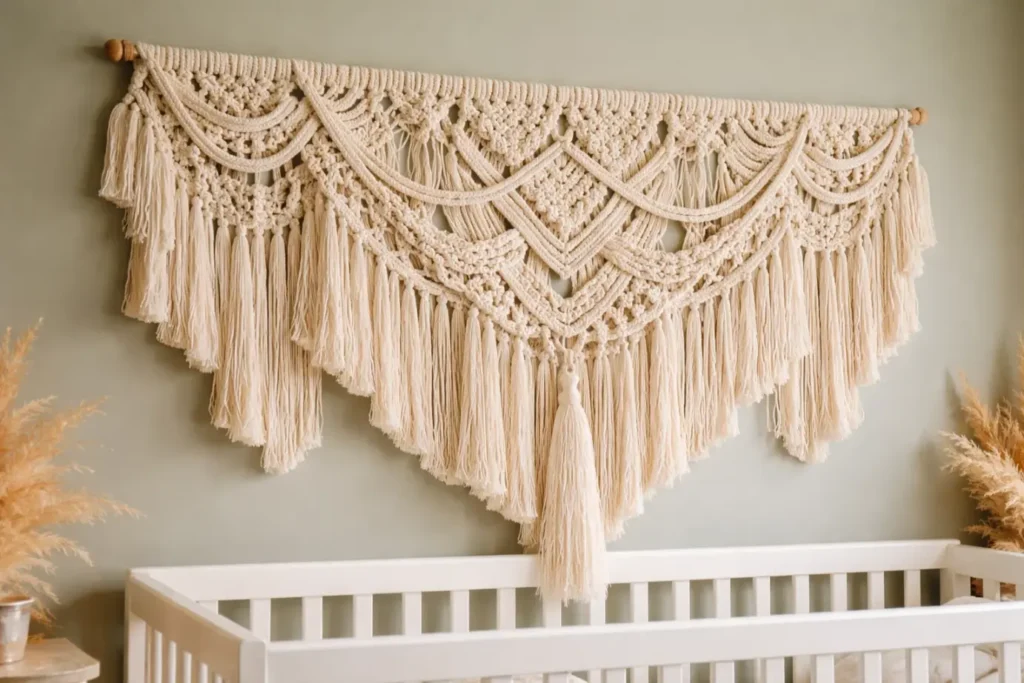
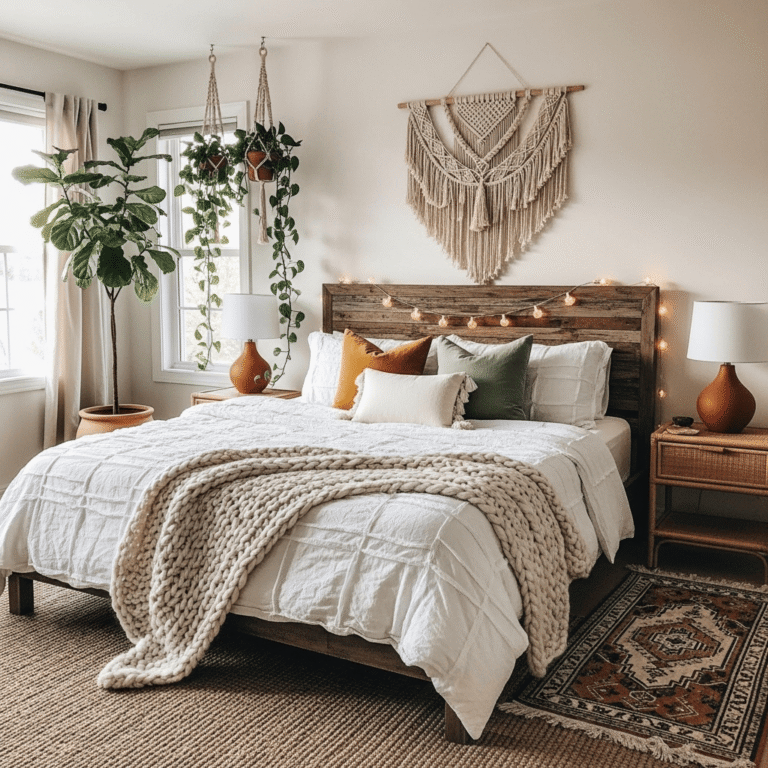
Macrame wall hangings bring warmth, texture, and a handcrafted quality to nursery walls that no printed art piece can replicate. A large macrame piece above the crib creates an instant focal point and adds a natural, bohemian softness to the room. They are also completely safe, as they hang flat against the wall away from the crib.
9. Personalized Name Sign
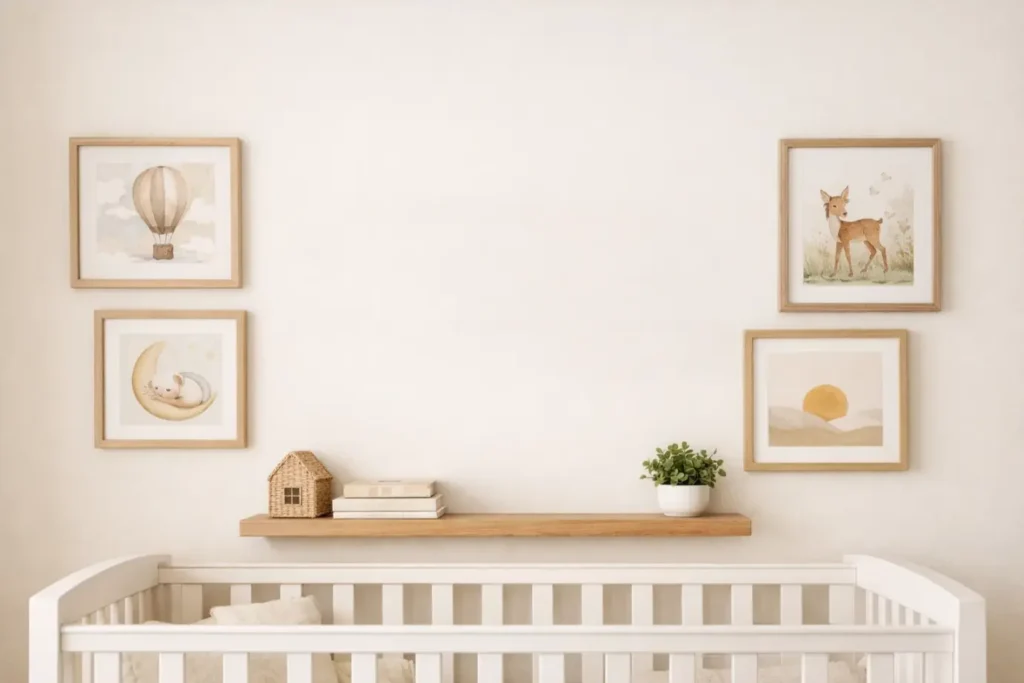
A wooden or neon name sign remains one of the most popular and personally meaningful nursery decor ideas. Whether in natural wood letters on a shelf, a painted sign above the crib, or a glowing neon accent on a gallery wall, a name sign gives the room an immediate sense of belonging and identity.
10. Gallery Wall with Mixed Art
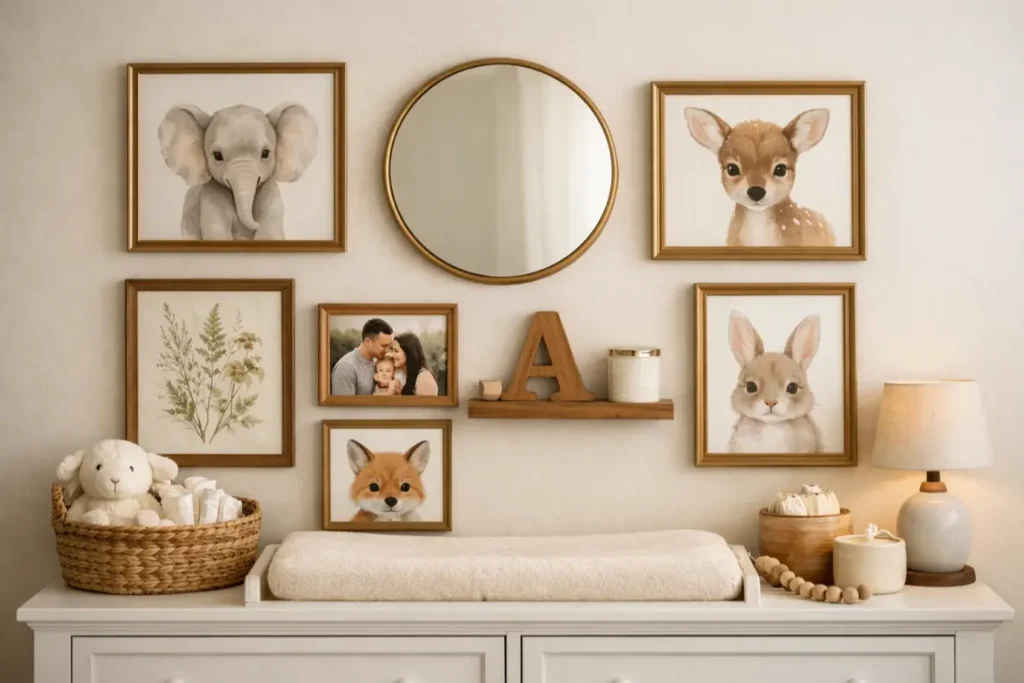
A gallery wall allows you to combine art prints, family photos, small mirrors, and decorative objects into a curated display that tells a story. In a nursery, a well-designed gallery wall above a dresser or changing table adds personality and visual depth without overwhelming the space. Choose frames in a consistent finish for a cohesive look.
11. High-Contrast Black and White Art
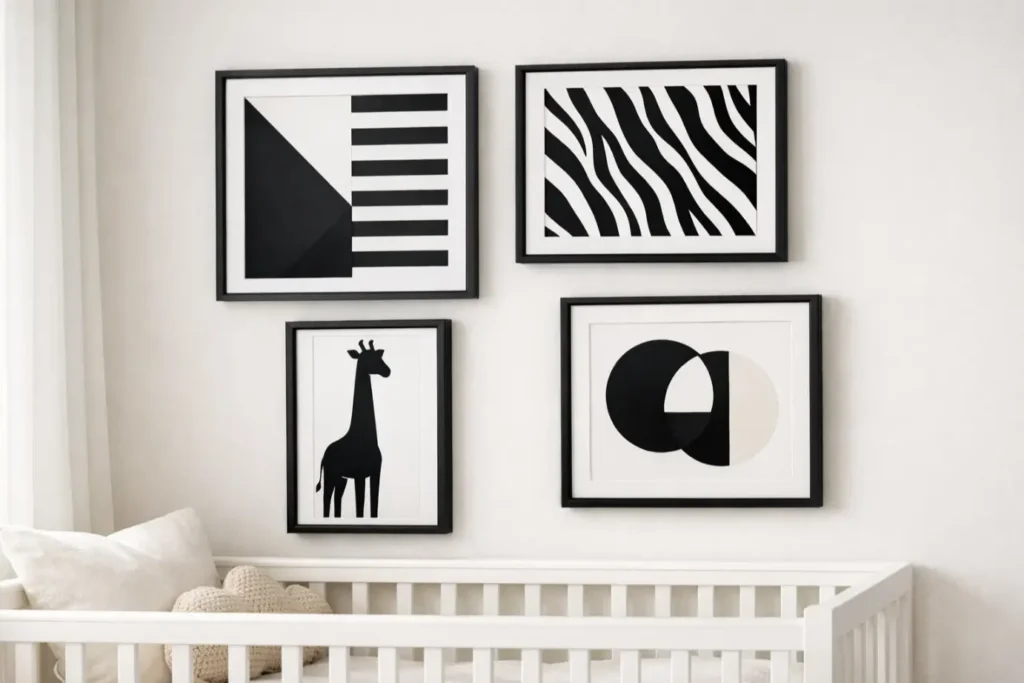
Research consistently shows that newborns are most visually responsive to high-contrast patterns. Black and white art prints, framed geometric designs, and striped textiles are not only stylish but genuinely beneficial for your baby’s visual development in the earliest weeks and months of life.
Furniture Essentials and Layout Ideas
12. Convertible Crib That Grows With Your Child
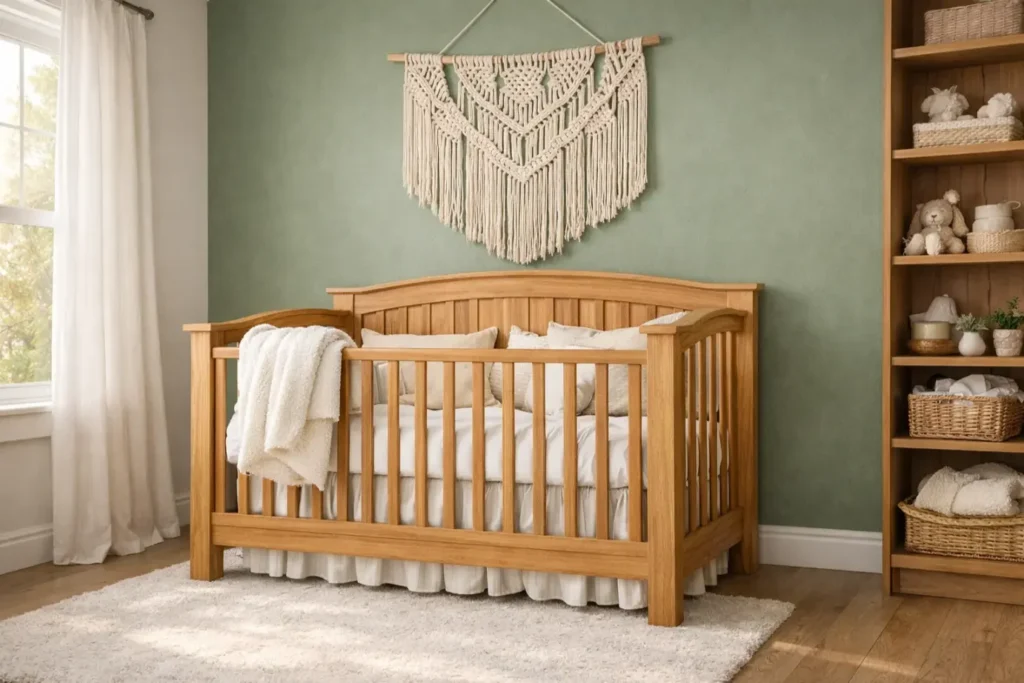
A convertible crib is one of the most practical investments in any nursery. These cribs transform from infant crib to toddler bed and sometimes all the way to a full-size bed, providing years of use and significantly reducing the cost of furniture over time. Choose a style in a timeless finish that complements the rest of the room.
13. The Perfect Glider or Rocking Chair
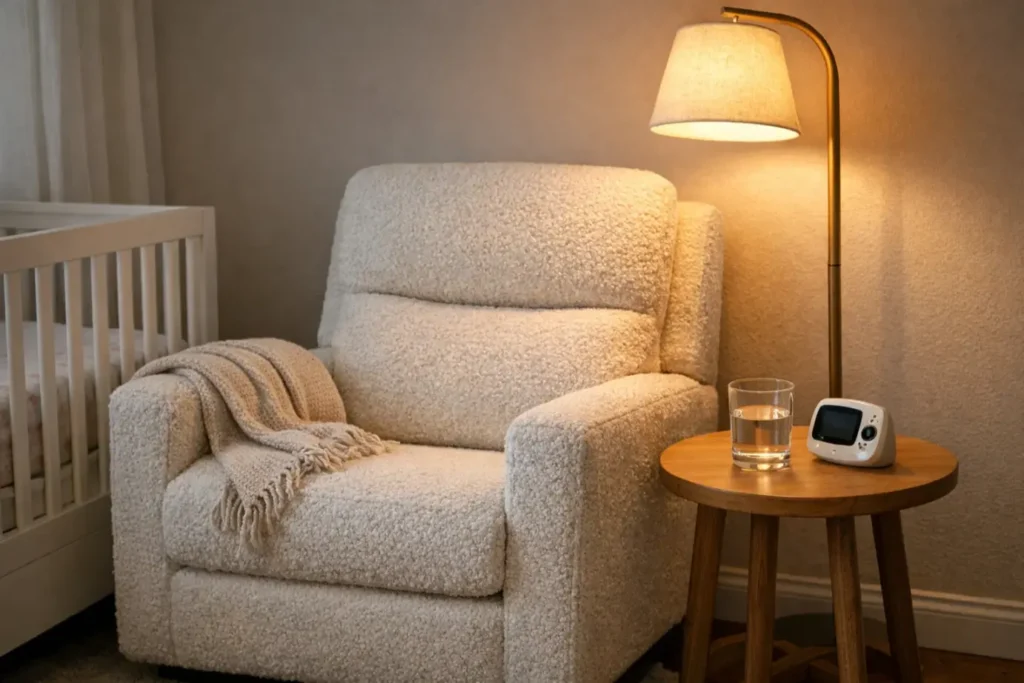
No piece of nursery furniture gets more use than the glider or rocking chair. This is where you will feed, soothe, and read to your baby through thousands of quiet moments. Invest in a chair that offers genuine back support, smooth rocking or gliding motion, and upholstery that is easy to clean. Boucle fabric gliders are particularly popular right now for their texture and visual warmth.
14. Dresser That Doubles as a Changing Table
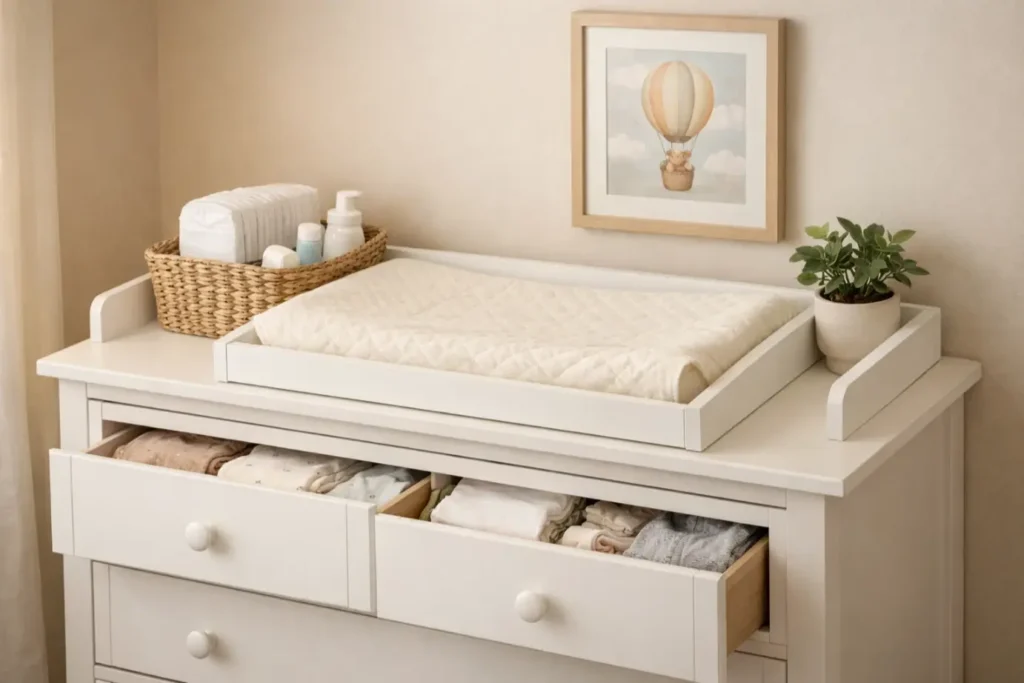
A standard dresser with a changing topper attached is one of the smartest space-saving solutions in nursery design. It provides ample storage for clothing and supplies, eliminates the need for a separate changing table, and converts back to a standard dresser once the baby stage is complete.
15. Open Shelving for Display and Storage
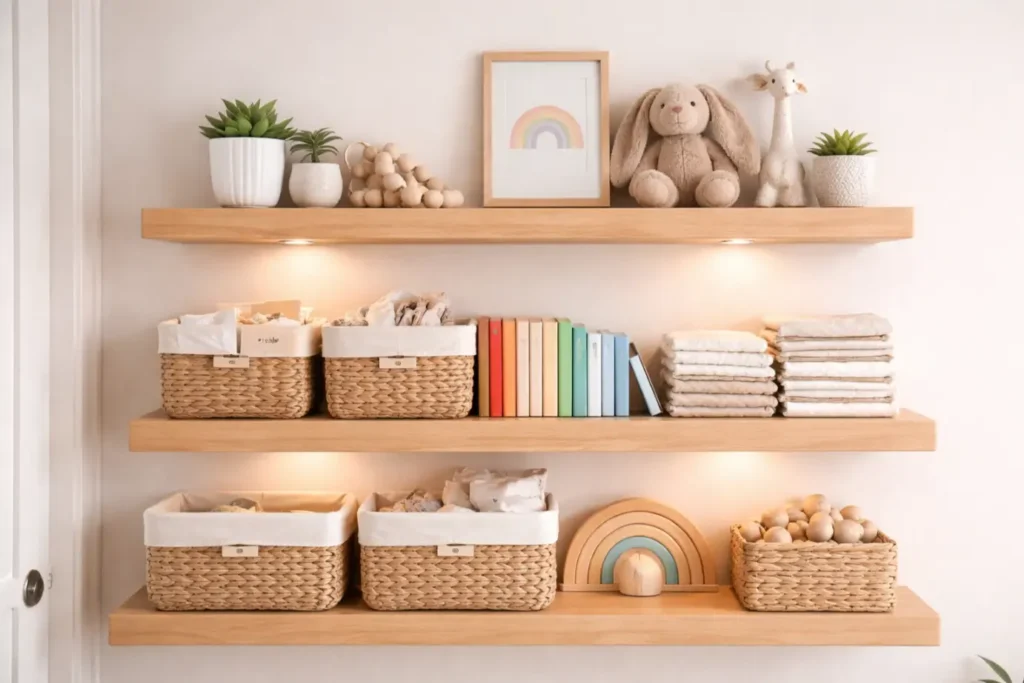
Open shelves above a dresser or along a wall serve double duty in a nursery. They provide easily accessible storage for books, baskets, and frequently used supplies while also creating a space to display decorative objects, soft toys, and small plants. Keep lower shelves practical and upper shelves decorative.
16. Rounded and Curved Furniture Pieces
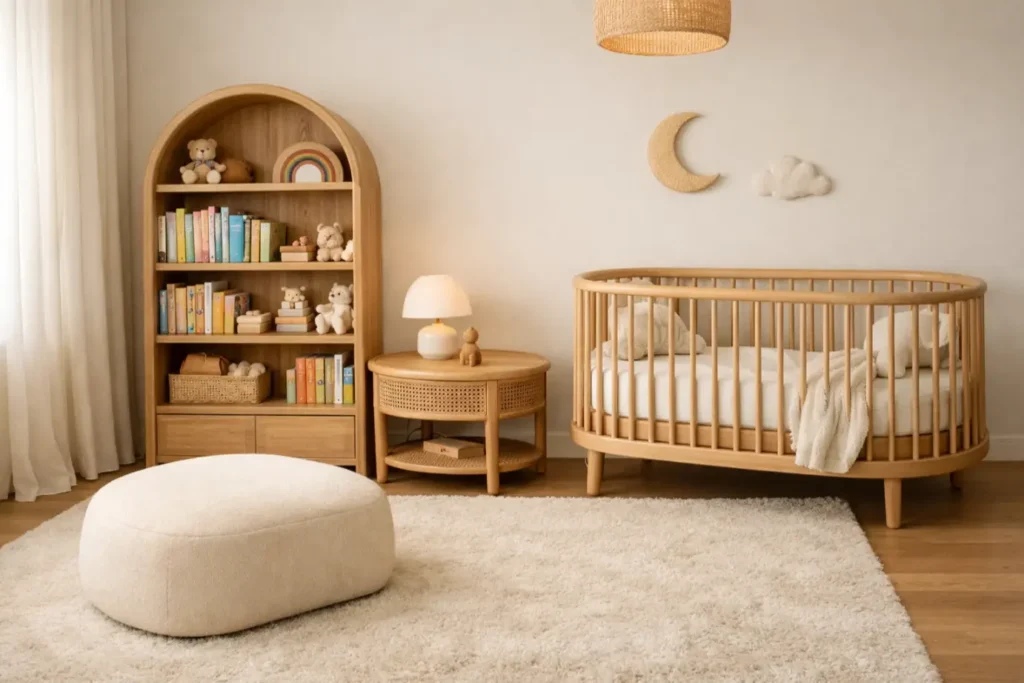
Curved furniture, including arched bookshelves, oval side tables, and cribs with softly rounded spindles, is a major nursery trend that also happens to be a safety consideration. Soft silhouettes eliminate sharp corners in a room where both babies and tired parents are likely to bump into furniture regularly.
Nursery Theme Ideas Full of Personality
A cohesive nursery theme ties every element of the room together and gives the space a clear, intentional identity. The best themes are flexible enough to be interpreted through subtle accents rather than literal, head-to-toe matching sets.
17. Woodland and Forest Theme
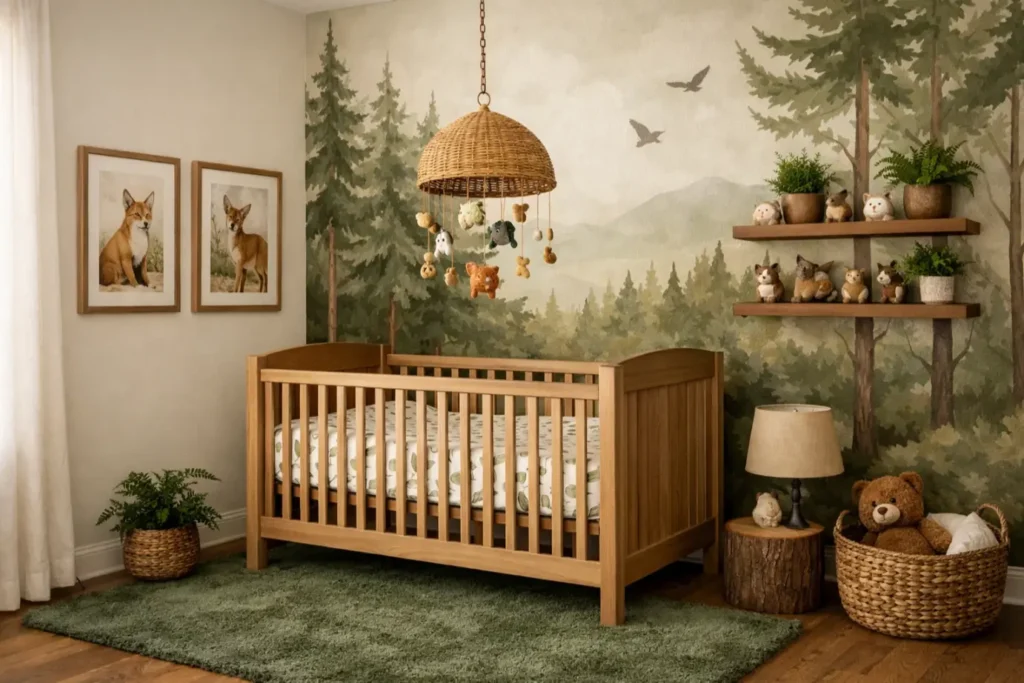
A woodland nursery built around foxes, deer, owls, and forest greenery is a perennial favorite for good reason. It is naturally gender-neutral, inherently warm and cozy, and easy to execute through a combination of animal art prints, leaf-patterned textiles, natural wood furniture, and earthy color palettes.
18. Celestial and Space Theme
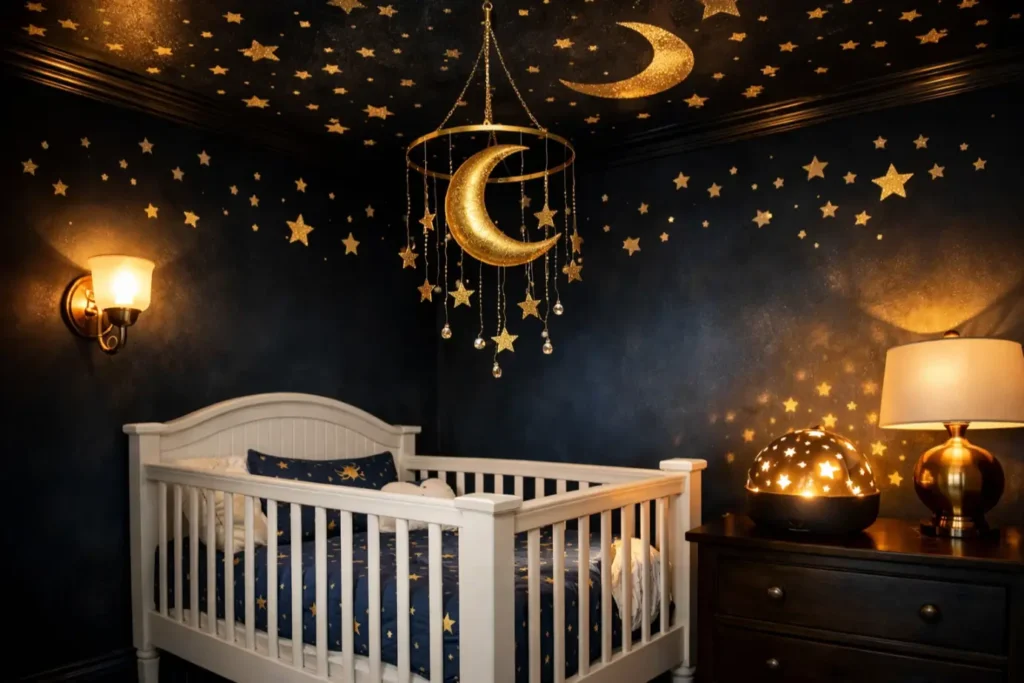
Stars, moons, planets, and constellations make for a nursery theme that is both visually dramatic and gently soothing. Deep navy or midnight blue walls paired with gold star accents, a crescent moon mobile, and constellation print bedding create a room that feels magical and timeless.
19. Safari and Jungle Theme
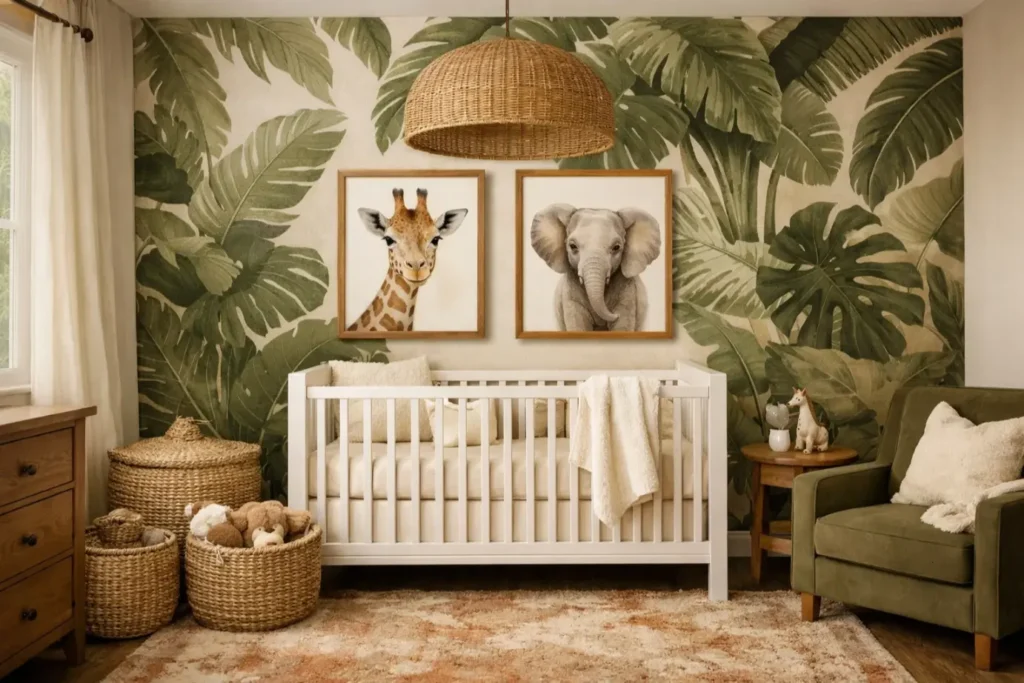
Jungle and safari themes have evolved far beyond the bright, cartoon-style versions of the past. Today’s interpretation uses soft earth tones, botanical leaf prints, watercolor animal portraits, and natural textures to create a nursery that feels rich and sophisticated rather than cartoonish.
20. Ocean and Nautical Theme
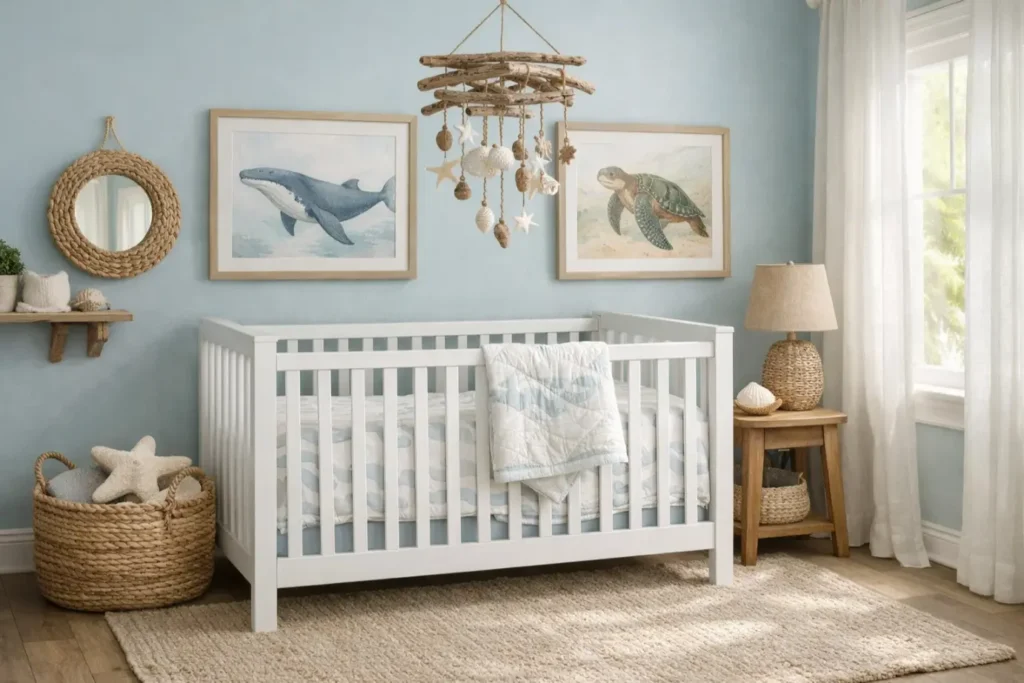
Soft ocean blues, sandy neutrals, and gentle wave patterns create a nursery that feels both serene and playful. Shell and sea creature accents, woven textures reminiscent of driftwood and rope, and art prints featuring whales, sea turtles, or simple ocean landscapes work beautifully together.
21. Boho and Eclectic Theme
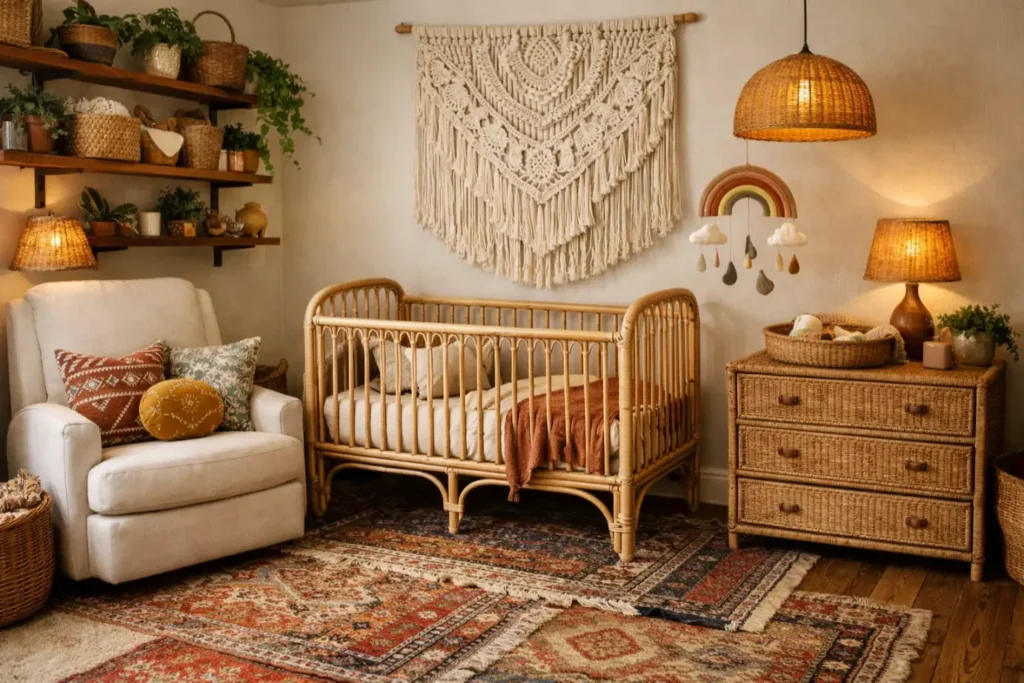
A boho nursery celebrates texture, color, and artisanal craft. Layered rugs, macrame accents, rainbow mobiles, rattan furniture pieces, and an eclectic mix of patterned textiles combine to create a room that feels warm, creative, and full of life. This theme works equally well in gender-neutral and gender-specific palettes.
22. Classic Storybook and Fairy Tale Theme
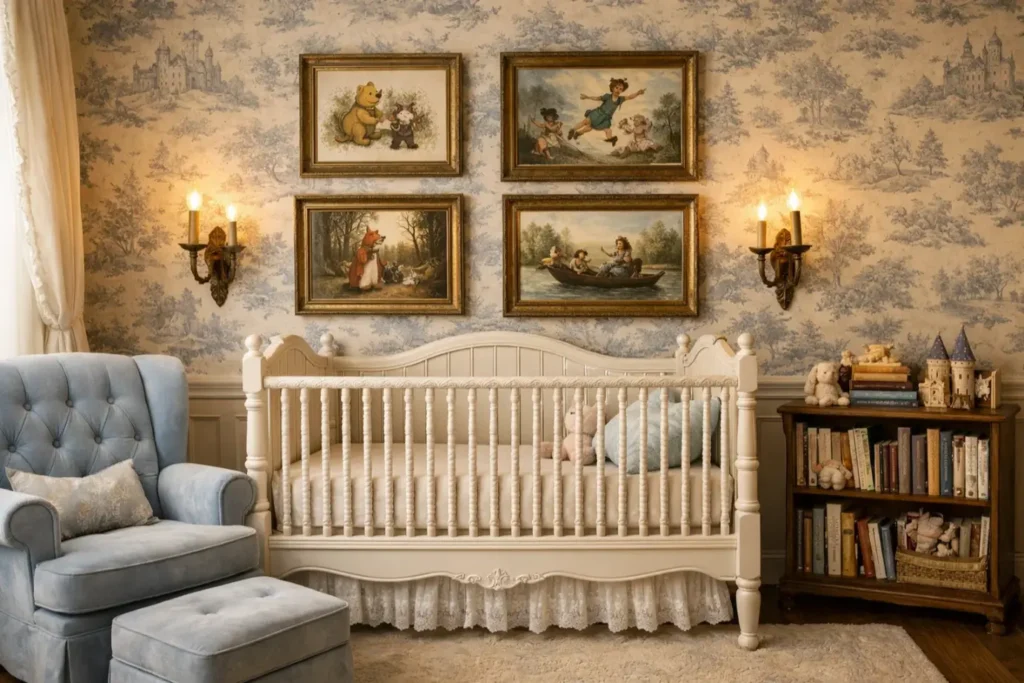
Whimsical wallpaper featuring storybook illustrations, vintage-inspired furniture, soft toile fabric accents, and framed art from beloved classic books create a nursery that feels enchanting and timeless. This theme ages beautifully as children grow into an awareness of the stories surrounding them.
23. Modern Minimalist Theme
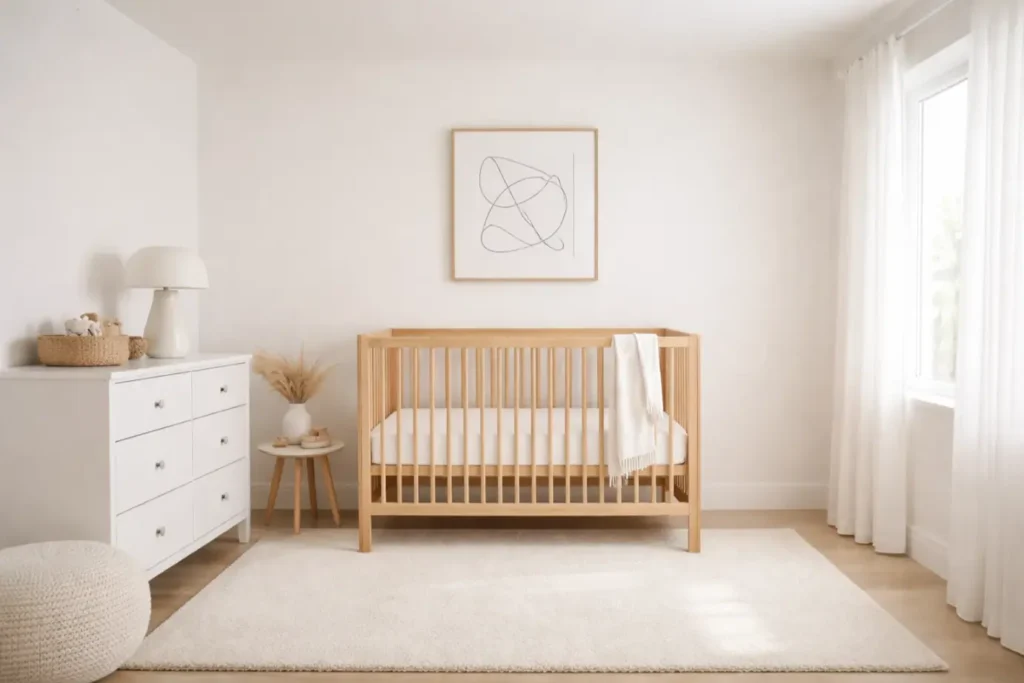
A minimalist nursery prioritizes quality over quantity, with clean lines, a restrained color palette, and furniture chosen for both beauty and function. The absence of clutter creates a genuinely calm environment for both baby and parents, and a minimalist room is significantly easier to keep organized and tidy.
24. Vintage and Grandmillennial Theme
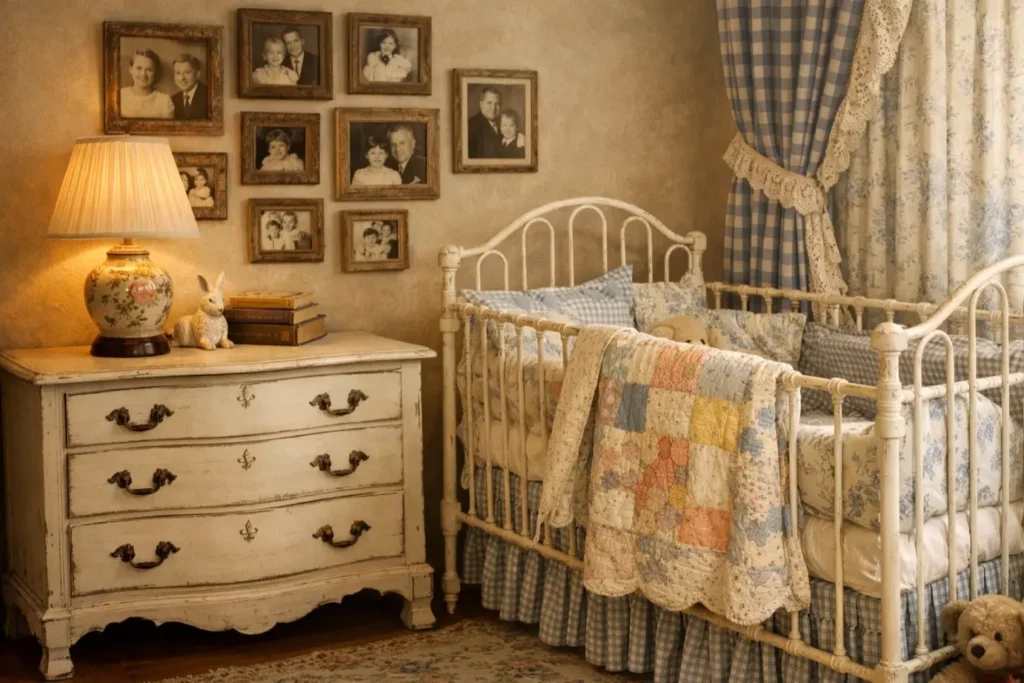
The grandmillennial aesthetic brings heirloom pieces, vintage patterns, and classic details back into nursery design in a fresh and charming way. Antique dressers, hand-me-down quilts, toile or gingham accents, old family photographs in reclaimed frames, and vintage-style lighting fixtures give this theme its distinctive warmth and character.
25. Rainbow and Color-Block Theme
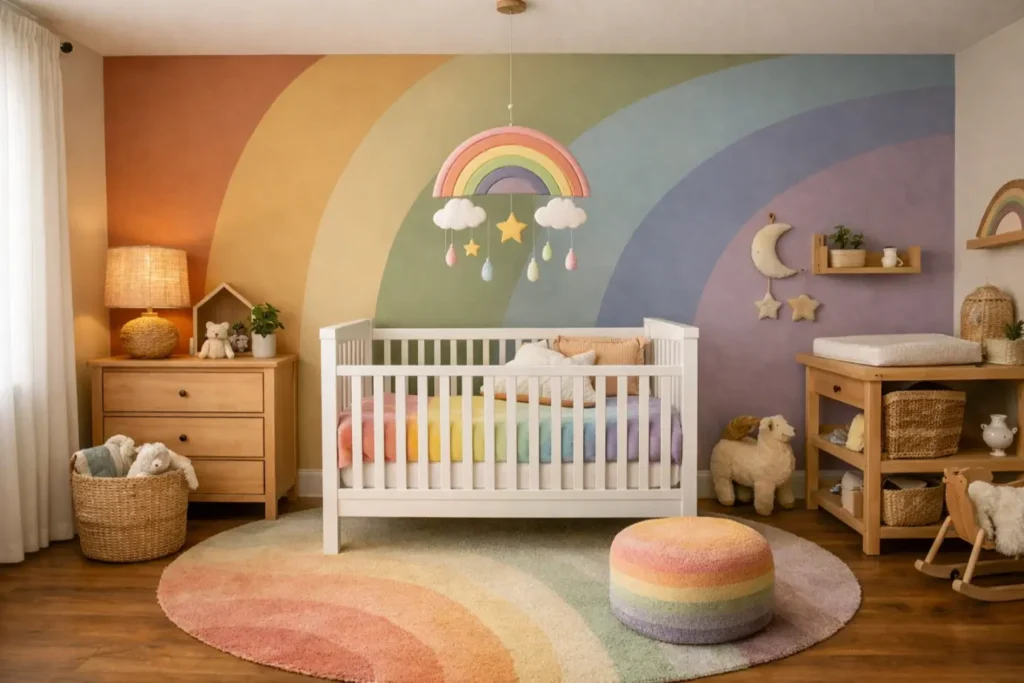
A rainbow-themed nursery done with intention, using dusty or muted versions of rainbow colors rather than primary brights, creates a room that is joyful and visually stimulating without feeling overwhelming. Color-blocked walls, rainbow arch mobiles, and gradient textile accents are the key design tools for this approach.
Lighting, Textiles, and Finishing Touches
26. Soft Layered Lighting
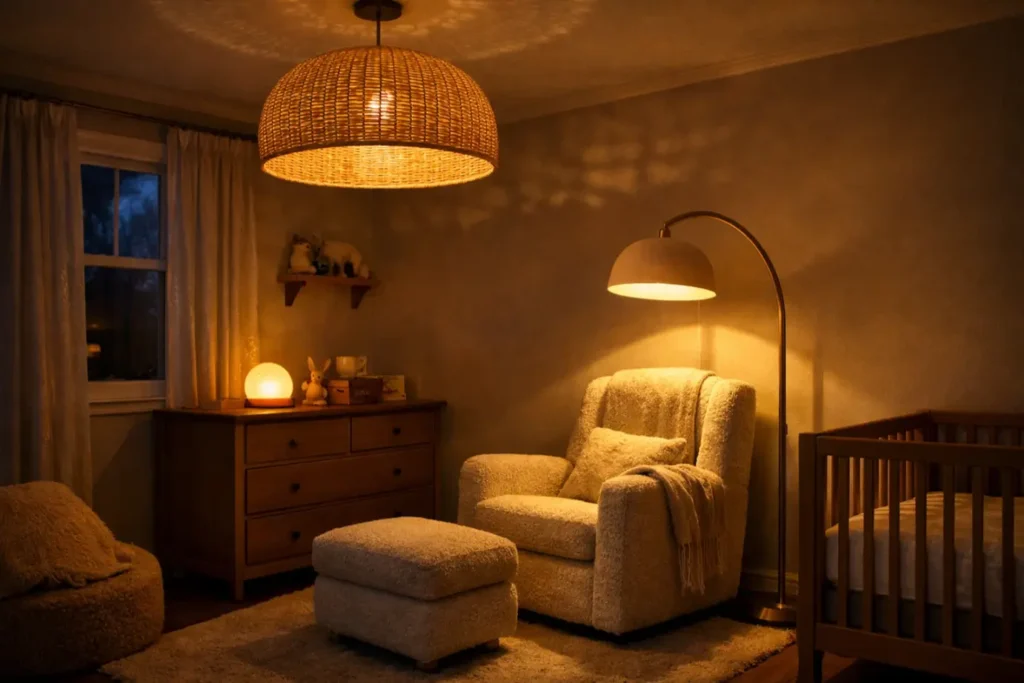
Lighting transforms the atmosphere of a nursery more dramatically than almost any other single element. Layer multiple light sources including a ceiling fixture, a floor lamp or table lamp beside the glider, and a soft nightlight to allow for full brightness during daytime activities and gentle, warm light during nighttime feeds and diaper changes.
27. Blackout Curtains for Sleep Quality
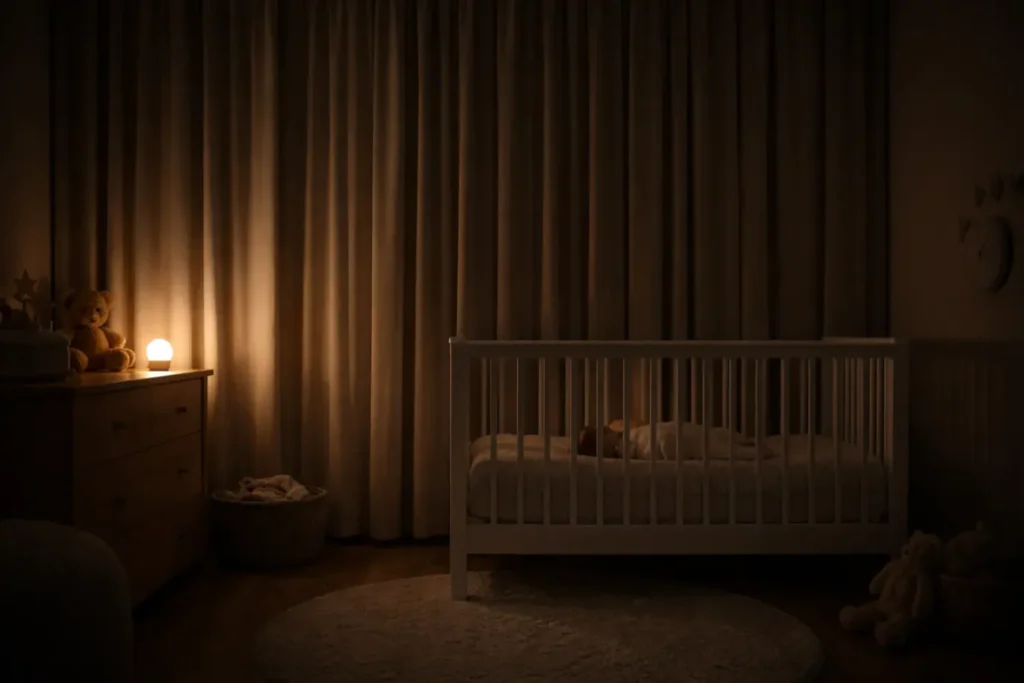
Blackout curtains are one of the most practical investments in any nursery. Babies sleep best in darkness, and a room that can be fully darkened during nap time significantly improves sleep quality. Choose blackout curtains in a fabric and color that complements the rest of the room so they serve a decorative purpose as well.
28. Layered Rugs and Soft Floor Textures
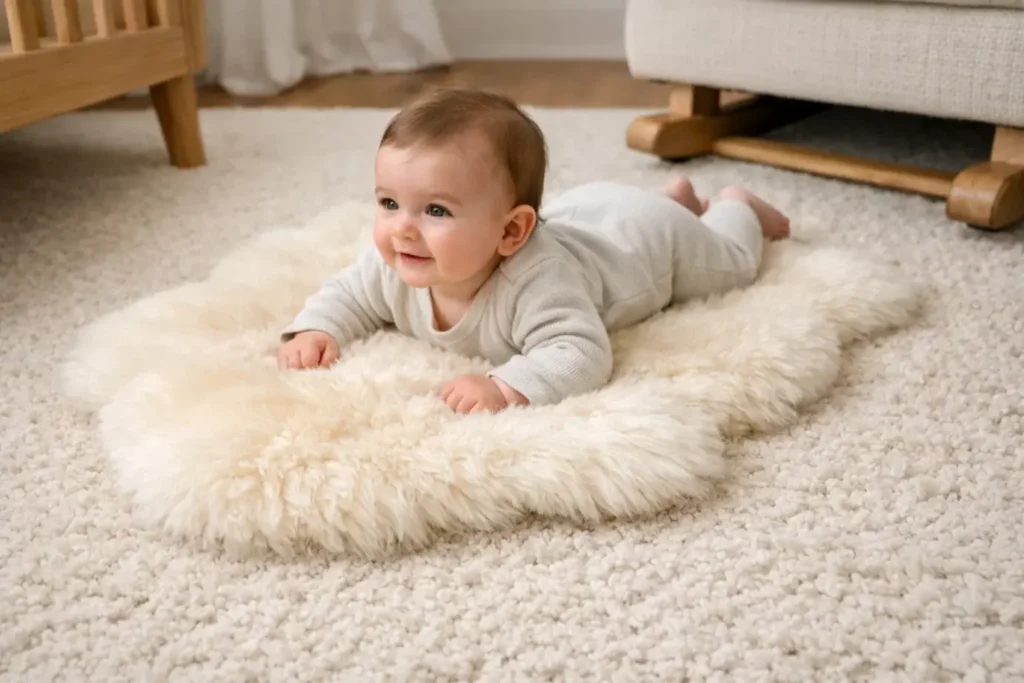
A large, soft rug anchors the nursery and creates a safe, cushioned surface for tummy time and early play. Layering a smaller textured rug or sheepskin over a larger base rug adds visual depth and tactile interest. Choose rugs in materials that are easy to clean and free from harsh dyes or synthetic chemicals.
29. A Canopy or Tent Over the Crib
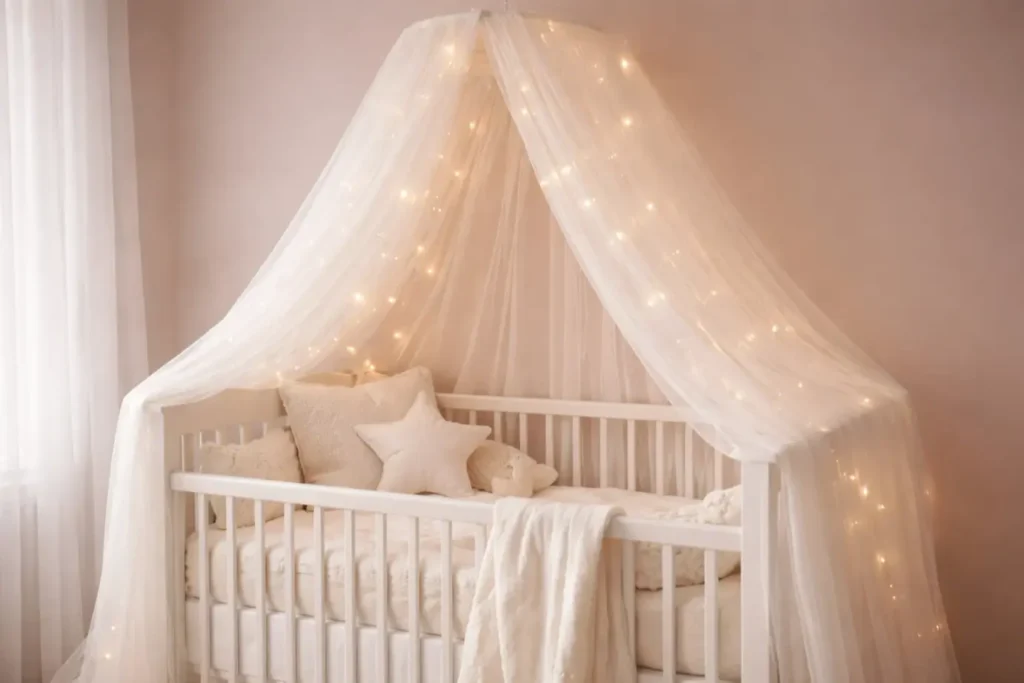
A soft fabric canopy draped over the crib creates a dreamy, intimate sleeping space for your baby while adding an undeniably romantic visual element to the room. Sheer white or blush muslin canopies are the most popular choice, though macrame and rattan canopy frames also create beautiful effects.
30. Plants and Natural Elements
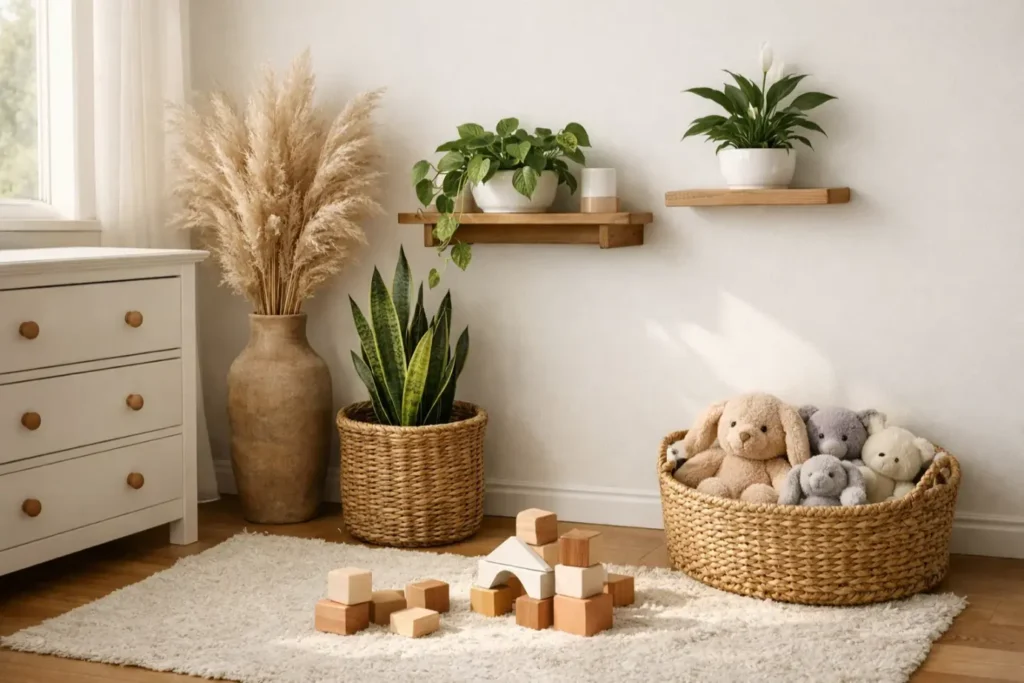
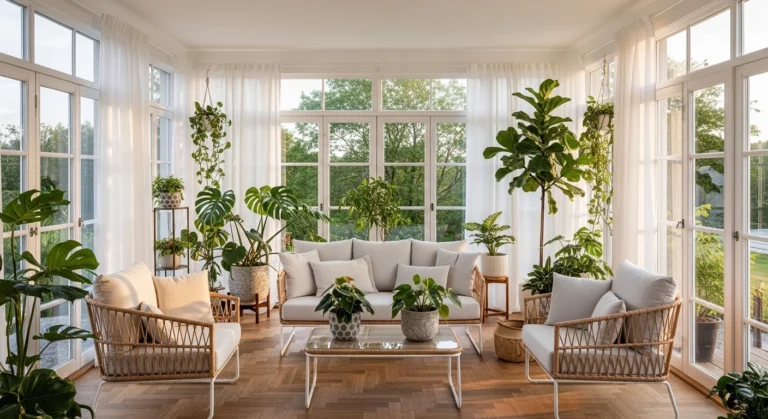
Adding a small selection of baby-safe plants to the nursery brings genuine life and freshness to the space. Pothos, snake plants, and peace lilies are among the hardiest and most visually appealing options. Beyond living plants, natural elements including wooden toys, woven baskets, dried pampas grass, and stone accents all contribute to a grounded, organic warmth that complements almost every nursery theme.
Conclusion
Creating a nursery is one of the most personal and emotionally resonant projects a parent will ever undertake. The 30 nursery decor ideas in this guide cover every dimension of the design process, from the first paint color decision to the final decorative plant placed on the shelf. Whether you are drawn to the calm sophistication of a moody, color-washed room or the playful warmth of a woodland theme, the most important principle is the same: design a space that feels genuinely right for your family.
The best nurseries are not the most perfectly styled or the most expensively furnished. They are the ones that feel like a true reflection of the people who made them, rooms built with care, intention, and love for the little person who is about to arrive. Take the ideas here as your starting point, trust your instincts, and enjoy every moment of the process. Your little one’s first room deserves nothing less.
You may also like this post: 11 Ways to Seamlessly Connect Your Living Room and Dining Room
Frequently Asked Questions
What is the best color for a nursery? Soft, warm neutrals like sage green, warm taupe, and creamy white are consistently the most popular choices because they create a calming atmosphere, work across gender-neutral designs, and pair beautifully with natural wood furniture and most accent colors. Deep moody hues like navy and forest green are also increasingly popular for creating a cozy, intimate feel.
When should I start decorating the nursery? Most parents begin decorating around the second trimester, typically between weeks 14 and 20. This window gives you enough energy and time to plan the color palette, order furniture with adequate delivery lead time, and complete any painting or wallpapering before the final weeks of pregnancy.
How do I decorate a small nursery? In a small nursery, focus on furniture that serves multiple functions, such as a dresser with a changing topper, convertible crib, and open shelving. Use light, warm colors on the walls to maximize the sense of space and keep decor intentional rather than abundant. Vertical wall space is especially valuable in compact rooms.
What nursery decor items are actually necessary? The true essentials are a safe sleep space such as a crib or bassinet, a comfortable feeding chair, a changing surface, adequate storage for clothing and supplies, appropriate lighting, and blackout curtains. Everything beyond these functional pieces is decorative and should be chosen based on your personal style and budget.
How do I choose a nursery theme that will last as my child grows? Choose themes that can be interpreted through subtle accents rather than all-over matching sets. Nature-inspired themes like woodland, botanical, and celestial tend to age particularly well. Avoid highly literal or character-based themes that your child may outgrow quickly, and invest instead in quality furniture and textiles in timeless colors that will remain relevant as the room evolves.