
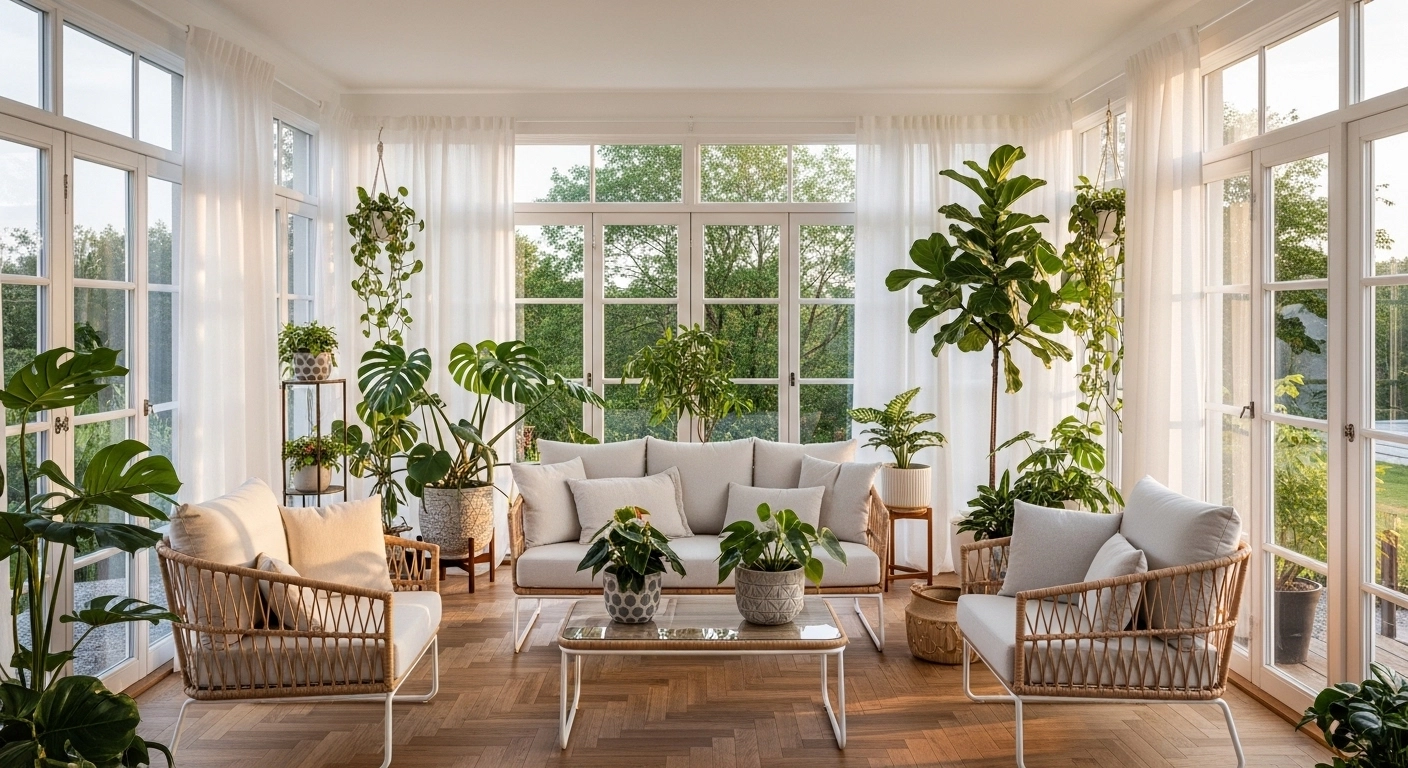
15 Bright Sunroom Ideas That Add Light, Warmth, and Function
Bright sunroom ideas are transforming the way homeowners think about natural light, indoor comfort, and the connection between living spaces and the outside world. There is something deeply satisfying about a room that feels like it belongs to both the indoors and the outdoors at once. A sunroom does exactly that. It pulls daylight deep into your home, connects you with the landscape beyond your walls, and gives you a space that works just as hard as any other room in the house, only with far more personality and warmth. Unlike a standard living room or a conventional home addition, a sunroom occupies a unique emotional position in the home. It is the room that changes with the light, shifts with the seasons, and rewards you differently depending on whether you step into it at seven in the morning with a cup of coffee or in the golden late afternoon when the sun drops low and floods the floor with long, warm shadows.
What makes sunrooms so compelling from a design standpoint is that they demand a different kind of thinking. You are not simply decorating a room; you are curating a relationship between architecture and nature. Every material you choose, every piece of furniture you bring in, and every color you apply to the walls either works with the light or against it. The decisions compound quickly, and the difference between a sunroom that feels genuinely alive and one that feels like an underused afterthought almost always comes down to intentionality. Whether you are converting an existing enclosed porch, planning a brand-new glass addition, or simply refreshing a dull corner room with more windows, bright sunroom ideas have a way of transforming not just the space itself but the entire feel of a home.
Maximize Natural Light With Floor-to-Ceiling Windows
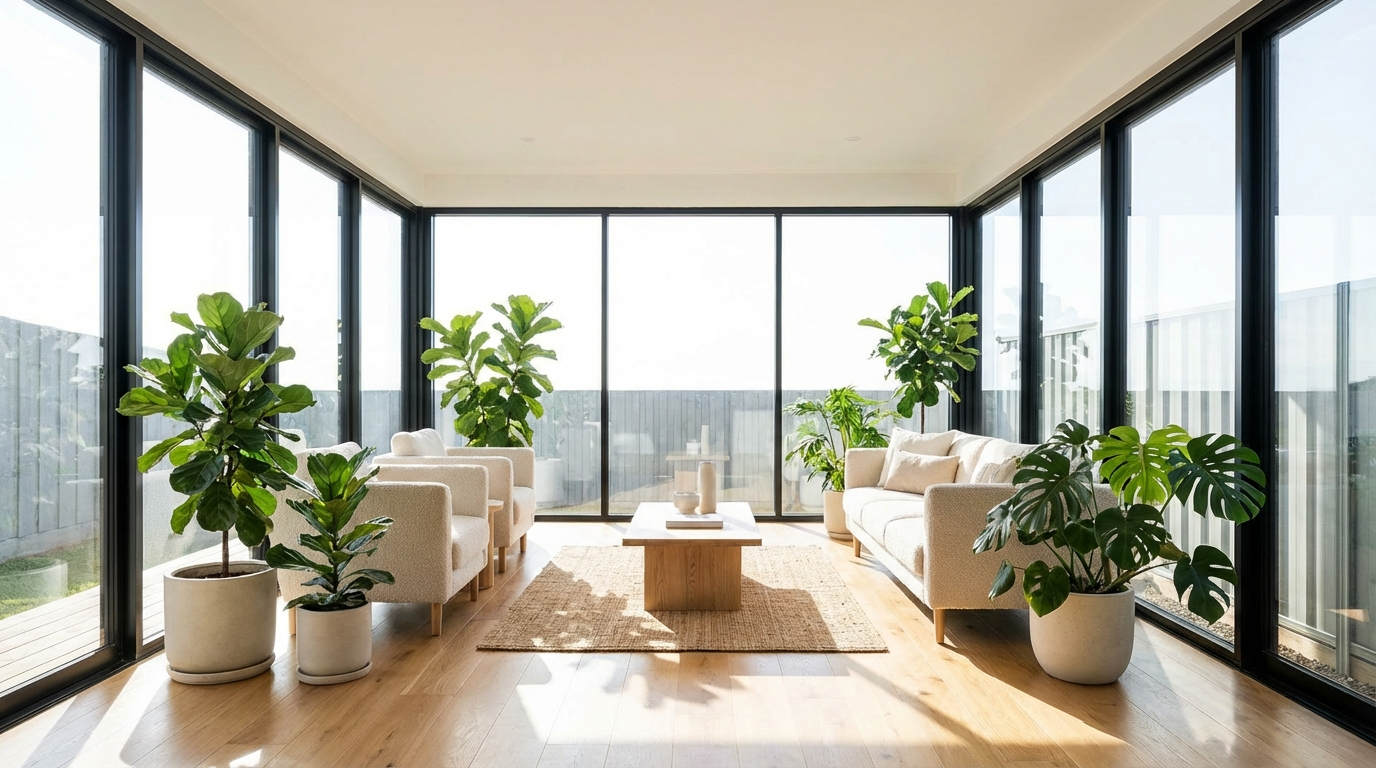
The most important decision you will make in any sunroom project is how much glass to use, and the answer is almost always more. Floor-to-ceiling windows do not simply let in light; they dissolve the boundary between inside and outside entirely. When glass runs from the floor all the way up to the ceiling line, the room reads as an extension of the landscape rather than a box appended to your house. Choose large single-pane panels over windows divided by heavy frames or decorative muntins. The cleaner the glass, the more light flows through without interruption. If your sunroom faces south or southeast, this approach alone can flood the space with warm, consistent light from morning well into the afternoon.
Add a Glass or Polycarbonate Roof for All-Day Brightness
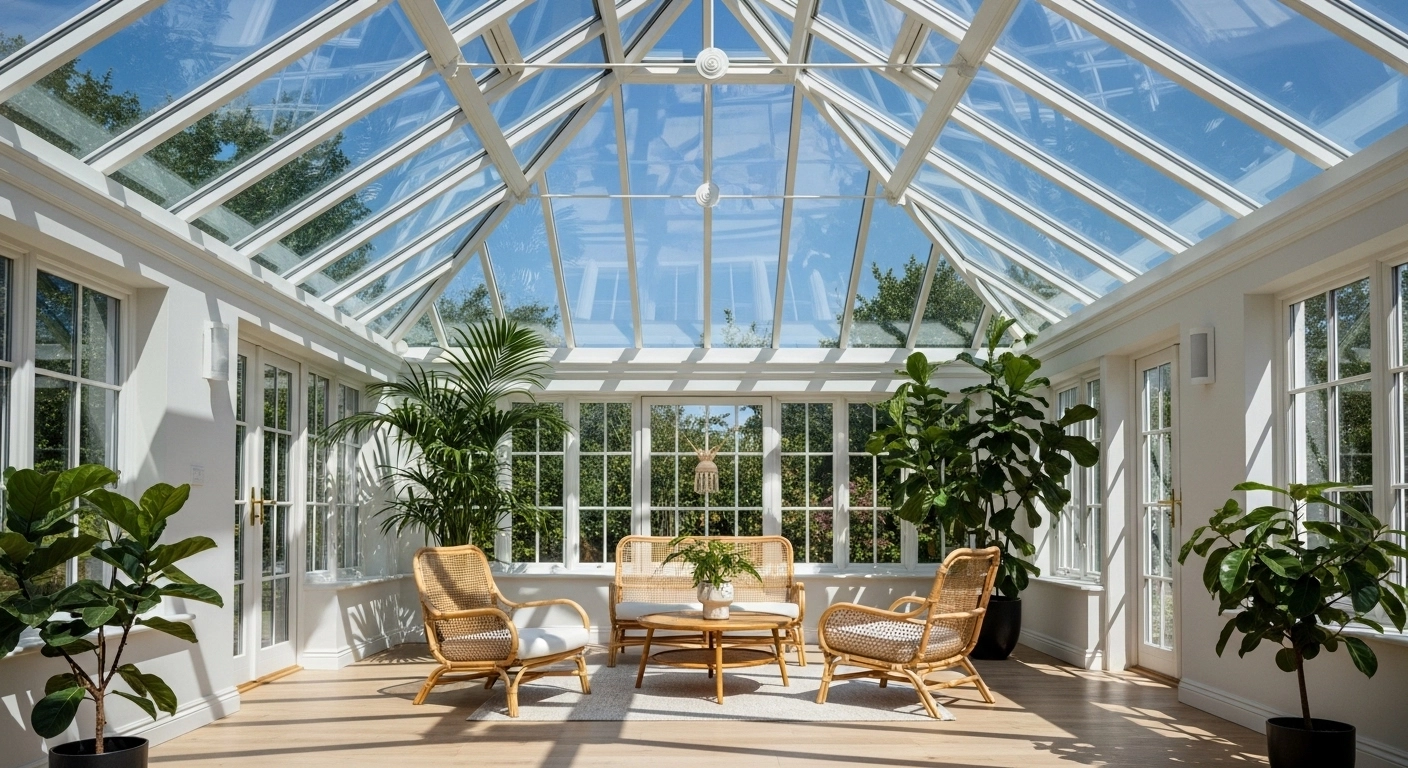
One of the most transformative bright sunroom ideas is extending your glass not just across the walls but across the ceiling as well. A glass or polycarbonate roof allows overhead light to pour in throughout the day, catching angles that wall windows cannot reach. This is particularly valuable in rooms that are surrounded by trees or neighboring structures that limit direct sunlight through side walls. A vaulted glass ceiling also lends the sunroom a sense of height and openness that makes even a compact space feel generous. If full glass roofing is outside the budget, adding two or three skylights can achieve a similar effect while keeping construction costs reasonable.
Choose a White or Pale Neutral Color Palette

Color choices in a sunroom carry enormous weight. Light is not just let in through glass; it is also bounced around the room by the surfaces it touches. Walls painted in bright white, warm cream, pale greige, or soft sage create a reflective environment where natural light multiplies rather than gets absorbed. White ceilings are especially powerful because they push the visual height of the room upward and make the entire space feel more airy and open. The goal is not to create a sterile environment but a luminous one. You can anchor a pale palette with warmer tones through wood furnishings, jute rugs, and layered textiles that keep the room feeling grounded and lived in rather than clinical.
Incorporate Wicker, Rattan, and Natural Wood Furniture
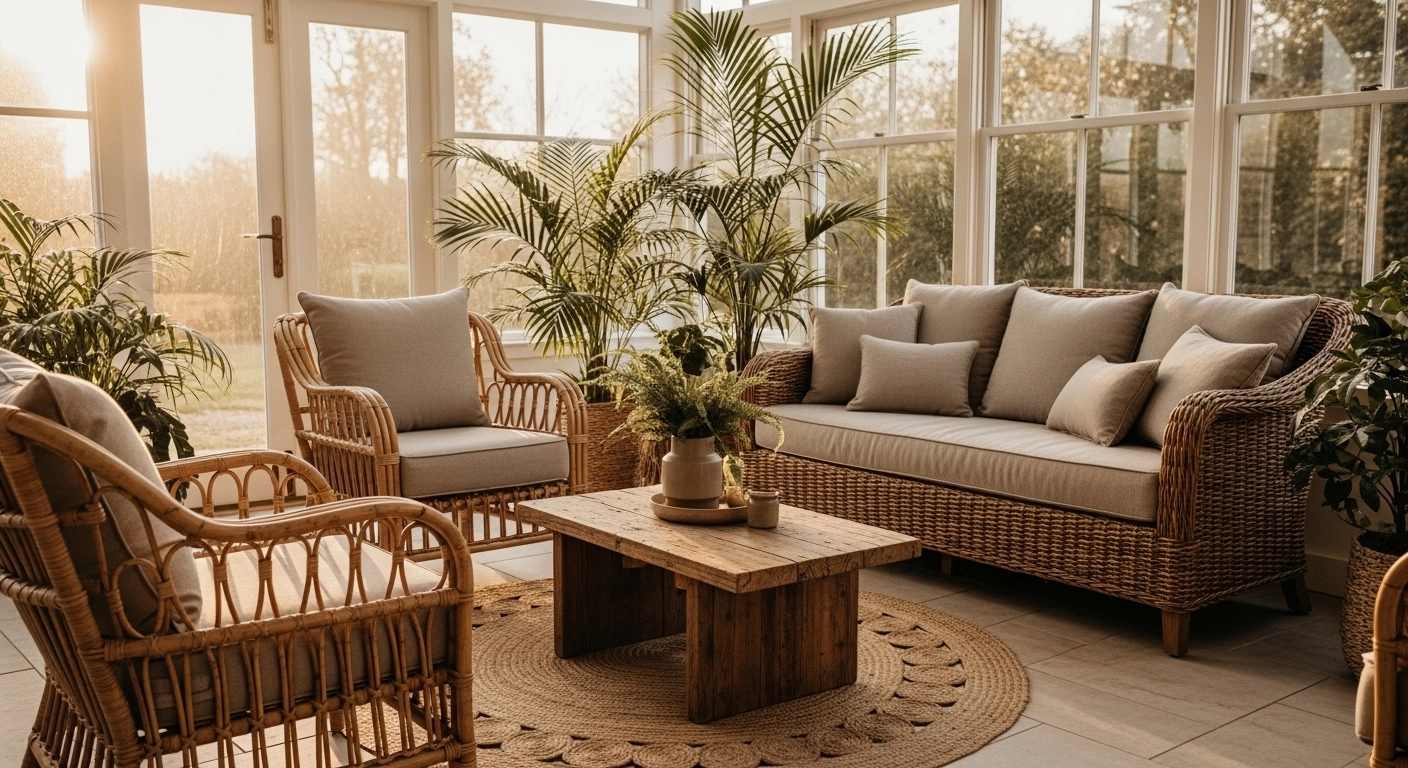
Few material choices feel as naturally at home in bright sunroom ideas as wicker, rattan, and wood. These textures carry a warmth and informality that matches the mood of a sunlit space perfectly. A set of rattan armchairs around a low coffee table, a woven daybed tucked beneath a window, or a reclaimed wood bench along one wall all speak the same quiet language: this is a room designed for ease and enjoyment. These materials also age gracefully in sun-drenched environments, unlike heavier upholstered pieces that can fade or warp over time. For cushions and seat covers, choose fabrics rated for outdoor or sun exposure so that their colors stay vivid through every season.
Bright Sunroom Ideas for a Cozy Reading Nook
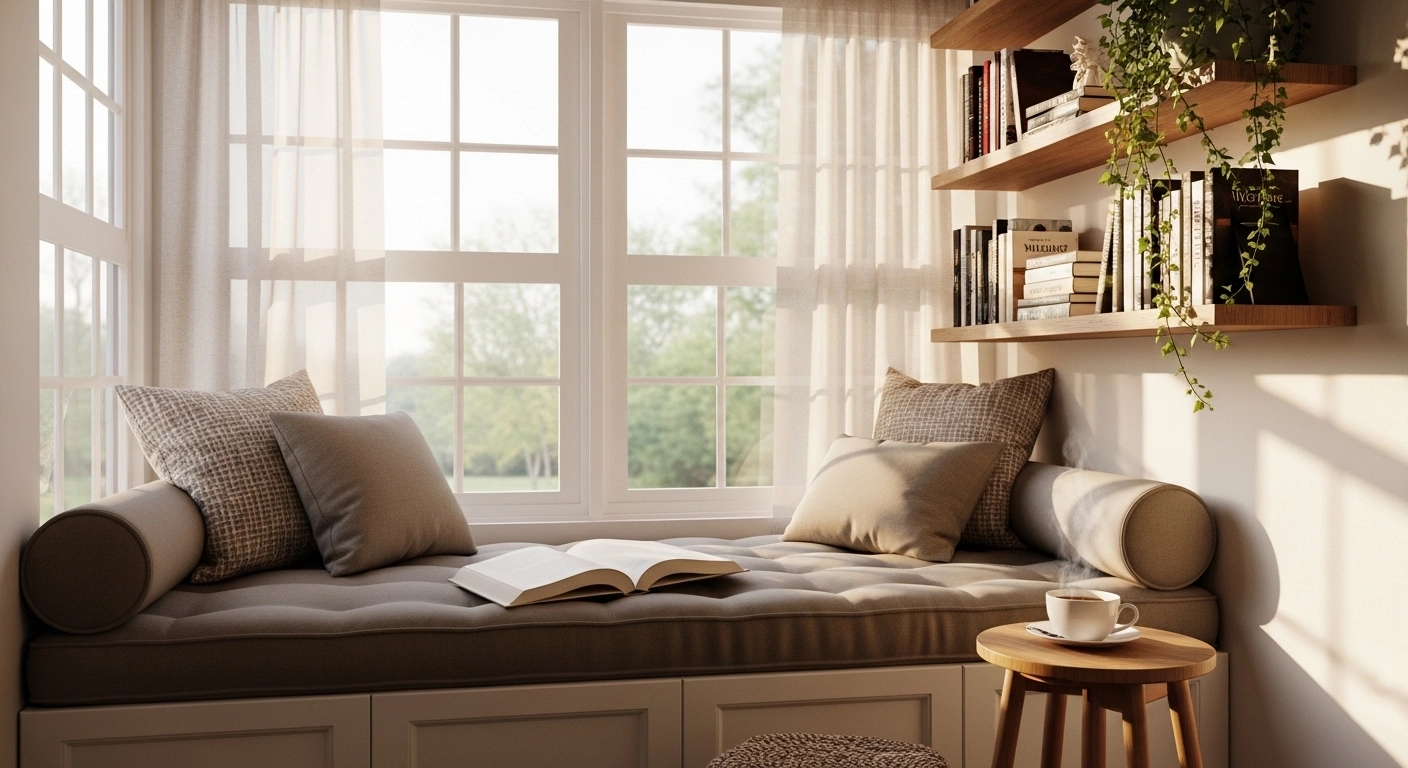
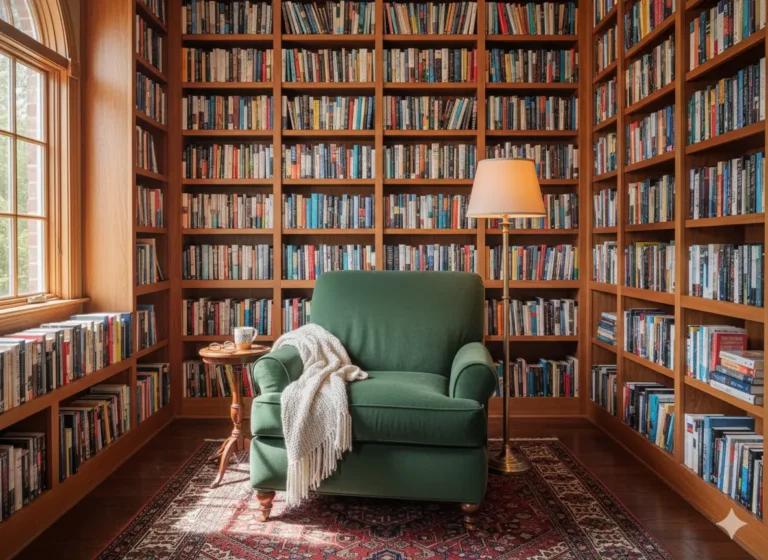
A sunroom naturally lends itself to quiet, contemplative activities, and a reading nook is one of its finest expressions. To create one, position a deep, cushioned window seat or a comfortable armchair directly beneath a window where morning or afternoon light falls at a gentle angle. A small side table, a floor lamp for evening hours, and a handful of floating shelves nearby are all you need to make the corner fully functional. Line the shelves with your favorite books, a trailing potted plant, and a few decorative objects that feel personal. This kind of intimate corner transforms the sunroom from a general-purpose room into a place that genuinely invites you to slow down.
Use Large Indoor Plants to Bring the Garden Inside
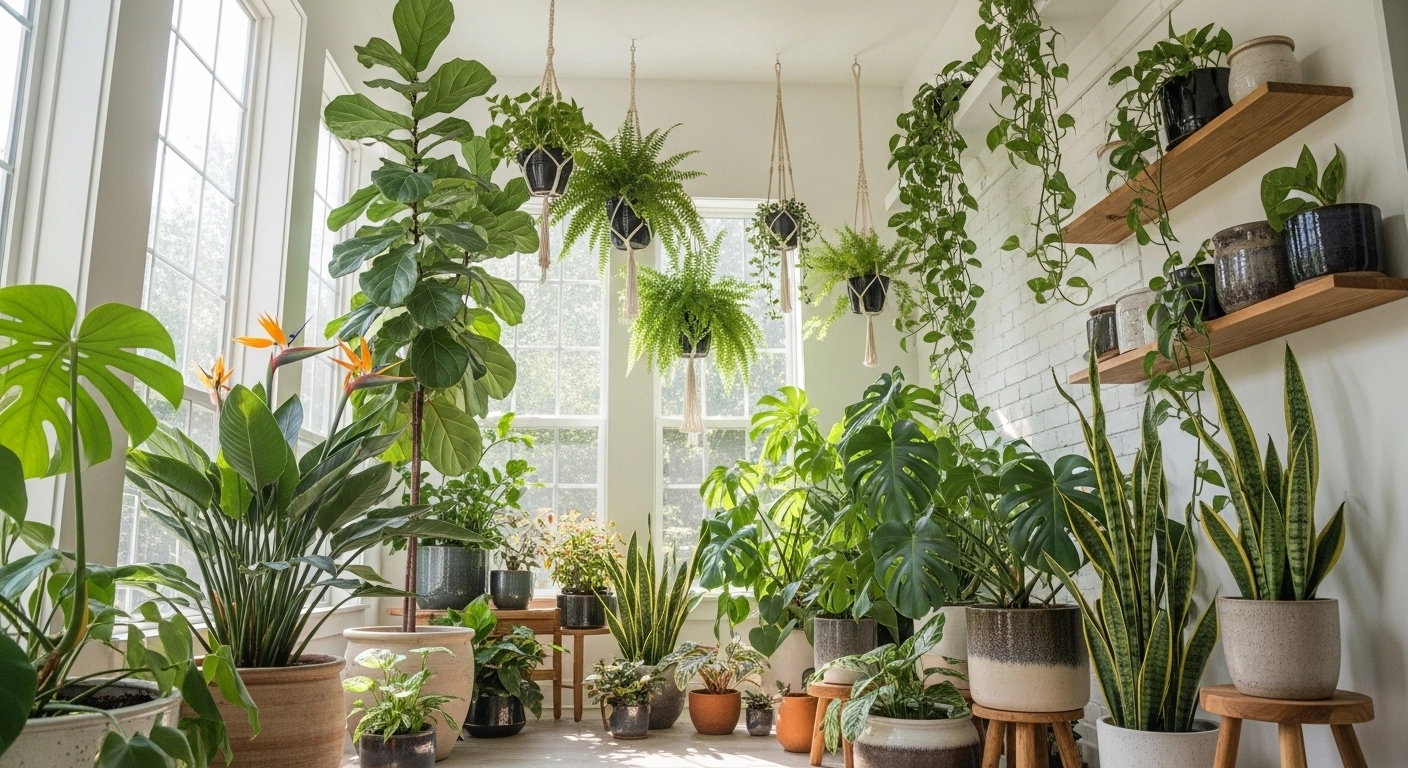
Plants and sunrooms belong together in a way that few other interior combinations match. Because the room is already flooded with light, it becomes a genuinely hospitable environment for a wide range of species that would struggle in darker parts of the house. Large fiddle-leaf figs, bird-of-paradise plants, and sprawling monstera varieties can anchor corners and create a sense of lushness that makes the room feel like a true garden sanctuary. Smaller potted herbs on window ledges, hanging ferns from ceiling hooks, and clusters of succulents on shelves layer in texture and life at every height. The visual effect is of a space that has been claimed by nature, which is precisely the spirit most successful sunrooms aim for.
Bright Sunroom Ideas for Year-Round Functionality
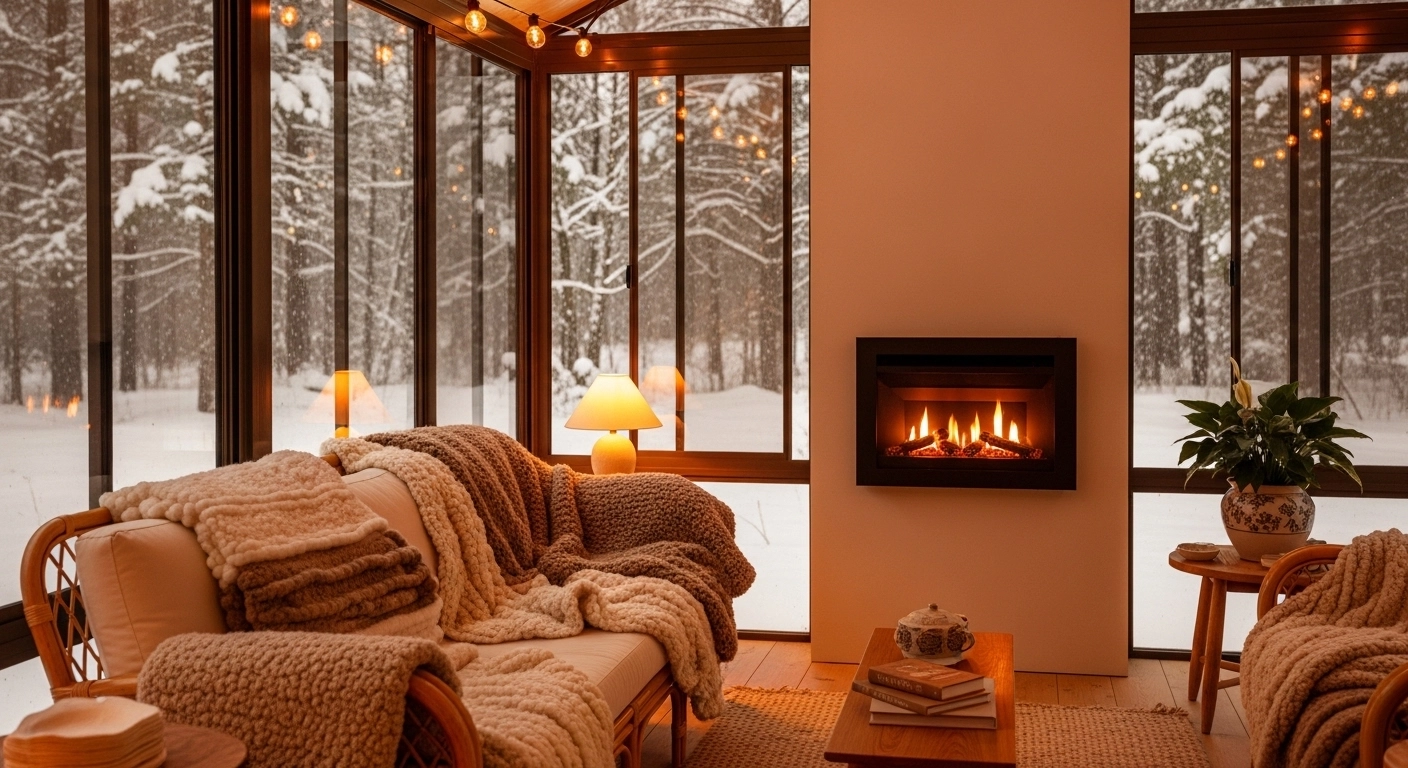
A sunroom is most valuable when it works through every season rather than sitting empty through winter. Insulated glass panels, efficient heating solutions, and ceiling fans for summer ventilation are the practical foundations of a four-season sunroom. Once those structural considerations are addressed, the design choices follow. Layer in warm textiles for autumn and winter, swap them for lighter linens in warmer months, and keep the overall palette flexible enough to shift with the seasons. A small wood-burning or gas fireplace mounted on one wall serves both aesthetic and functional purposes, making the space genuinely cozy on cold evenings while adding a beautiful focal point to the room’s design.
Install Skylights to Capture Light From Every Direction
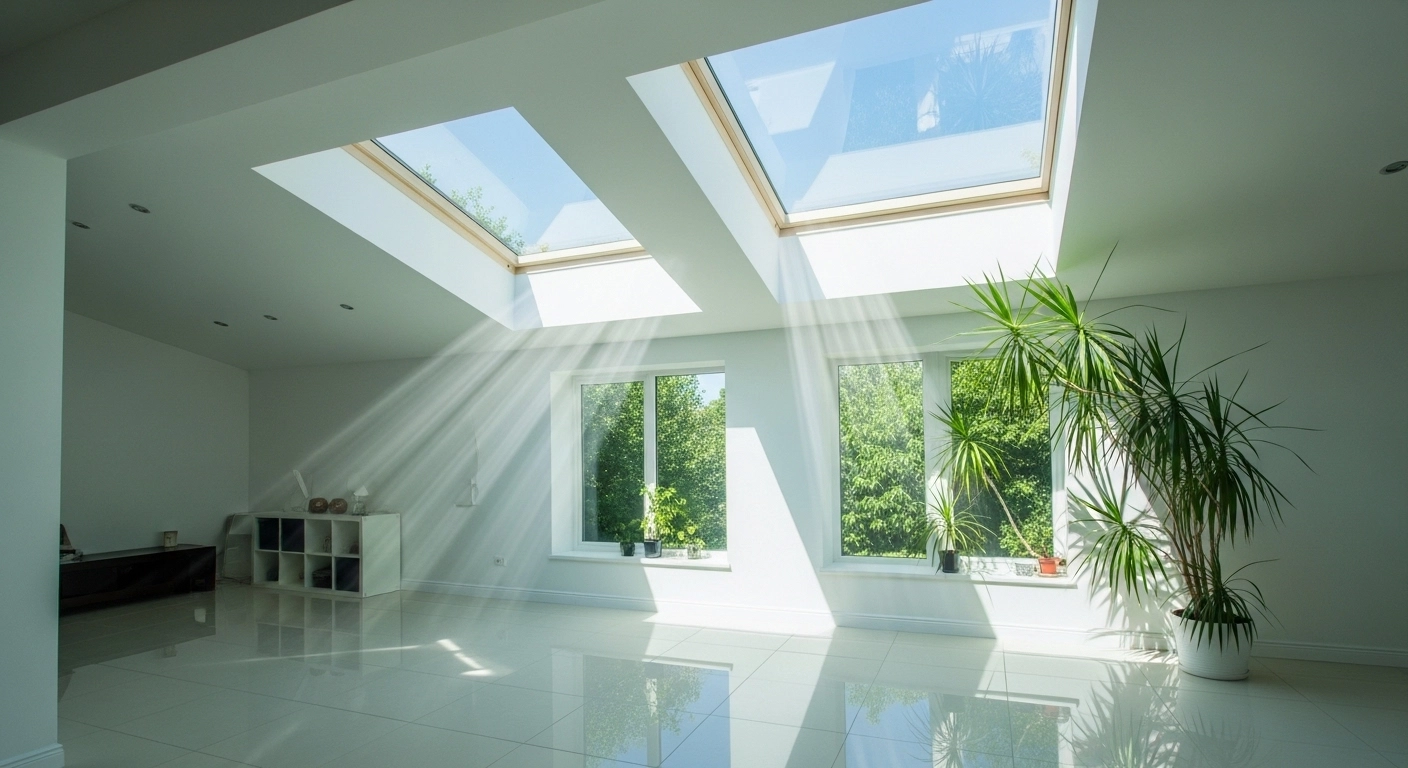
Even a sunroom with abundant wall windows can develop dark corners and overhead shadows, particularly on overcast days or during winter months when the sun sits lower in the sky. Skylights address this limitation directly by pulling light in from above and distributing it across the room in a way that no lateral window can replicate. Fixed skylights work beautifully in most climates, but vented skylight models that open partially offer the additional benefit of natural ventilation during spring and summer. If structural modifications for skylights are not feasible, sun tunnel systems can redirect daylight from the roof into interior spaces with minimal disruption to the existing structure.
Create a Sunlit Dining Area for Morning Meals
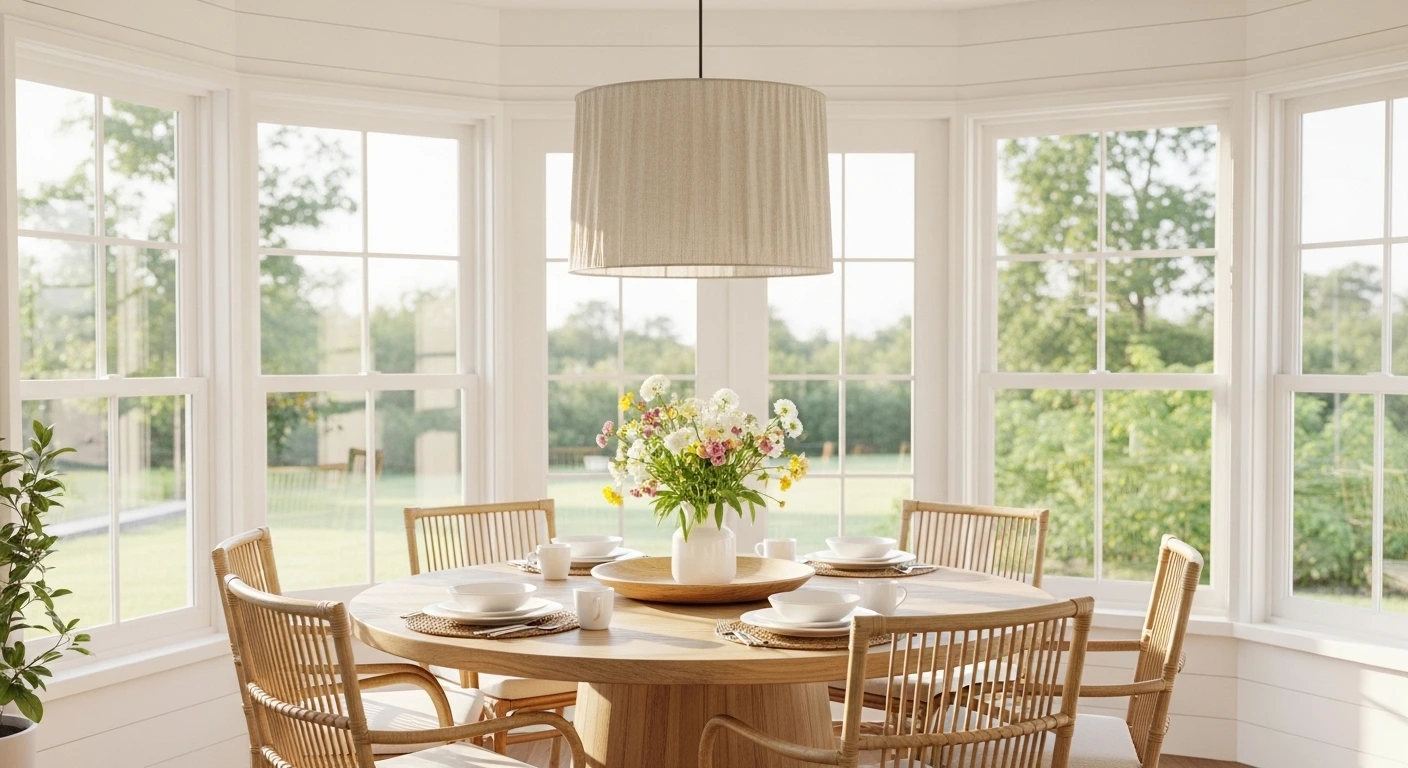
Among the most practical bright sunroom ideas is positioning a dining table within the sunroom so that mealtimes become a daily ritual of natural light and outdoor views. Morning breakfasts bathed in early sun, relaxed weekend lunches overlooking a garden, and casual dinners as the light fades through evening glass all take on a quality that a conventional dining room rarely achieves. Choose a round table to encourage conversation and make the space feel less formal. Rattan or wood chairs keep the material palette cohesive, and a pendant light suspended above the table provides warmth during evening meals. If the sunroom is small, a bistro table for two works beautifully and takes up minimal floor space.
Use Mirrors Strategically to Amplify Brightness
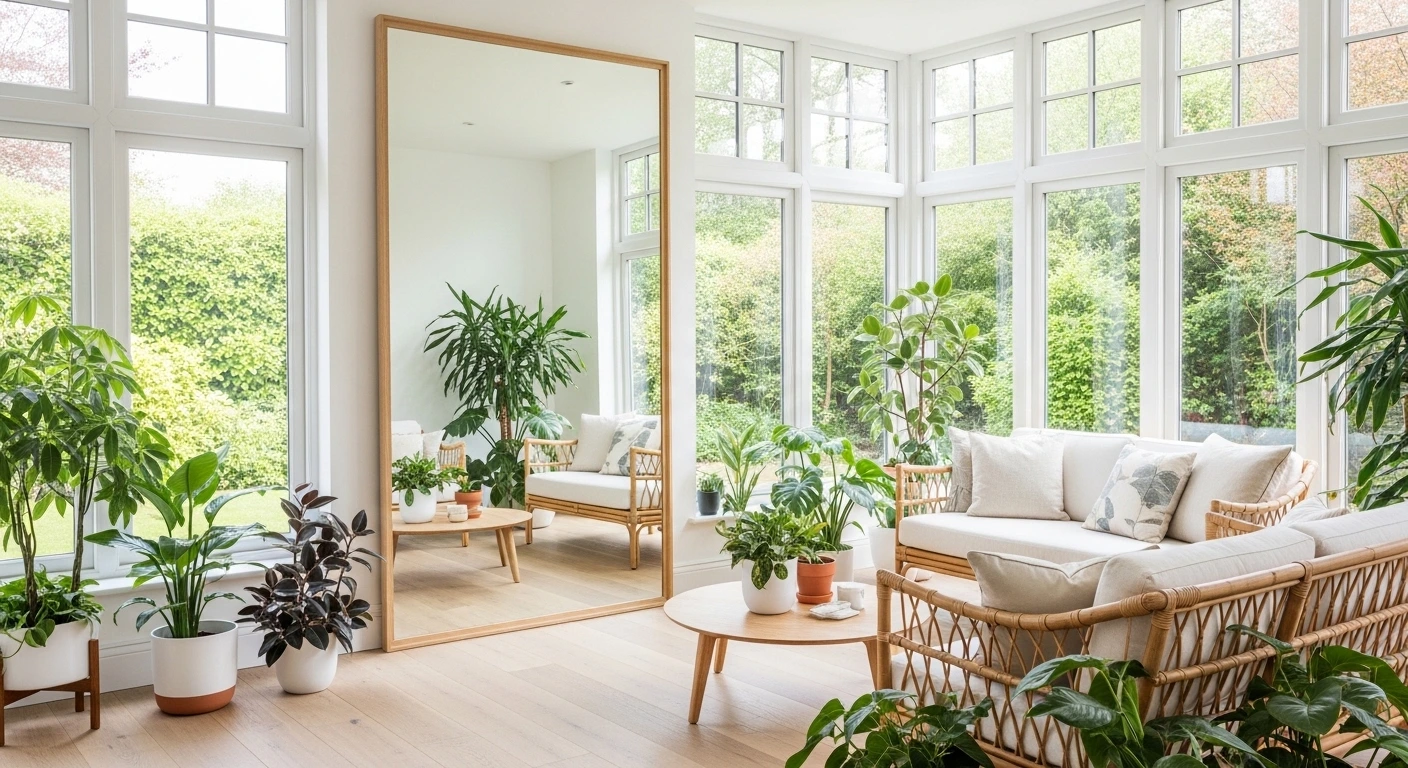
Mirrors are among the most overlooked tools in sunroom design, yet their effect on light and perceived space is immediate and dramatic. A large mirror positioned on the wall directly opposite the main windows captures incoming light and reflects it back across the room, effectively doubling the sense of brightness without any structural change. In a smaller sunroom, a mirror that spans most of one wall can make the space feel substantially larger. Framed mirrors with natural wood, bamboo, or thin metal borders keep the aesthetic light and in keeping with the general warmth of a well-designed sunroom. Even a small arrangement of mirror panels or mirrored decorative objects on a shelf contributes to the overall luminosity of the space.
Embrace Sheer Curtains for Soft, Diffused Light
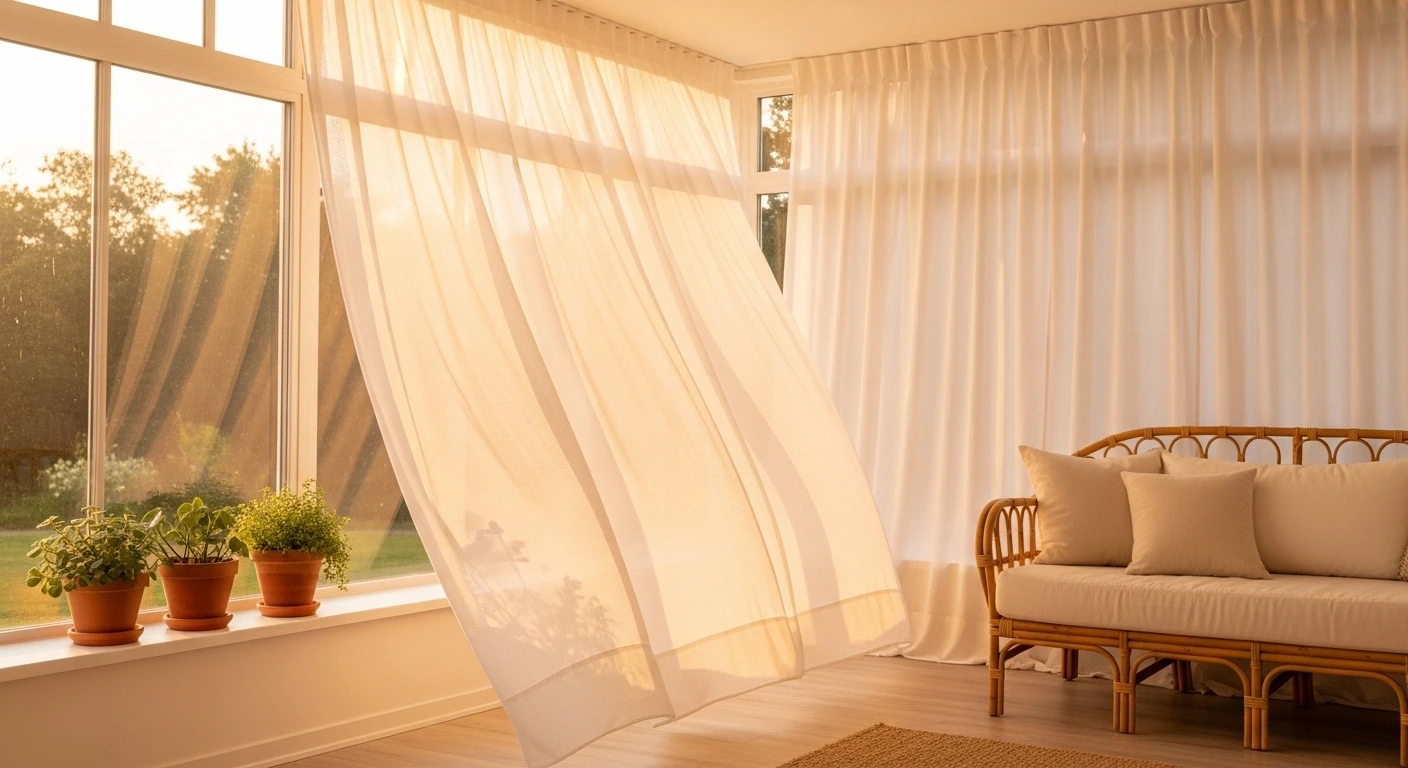
There is a common assumption that sunrooms should have no window treatments at all, letting light pour in completely unfiltered. In practice, some degree of light control is almost always useful, particularly during the brightest hours of summer afternoons when direct sun can create harsh glare. Sheer curtains made from linen, voile, or lightweight cotton are the ideal solution. They soften and diffuse incoming light rather than blocking it, creating a luminous, almost honeyed glow throughout the room. During morning hours or on overcast days, the sheers can be tied back entirely to let maximum light through. This flexibility makes them far more functional than either bare windows or heavy drapes.
Design a Home Office With Natural Light as the Centerpiece
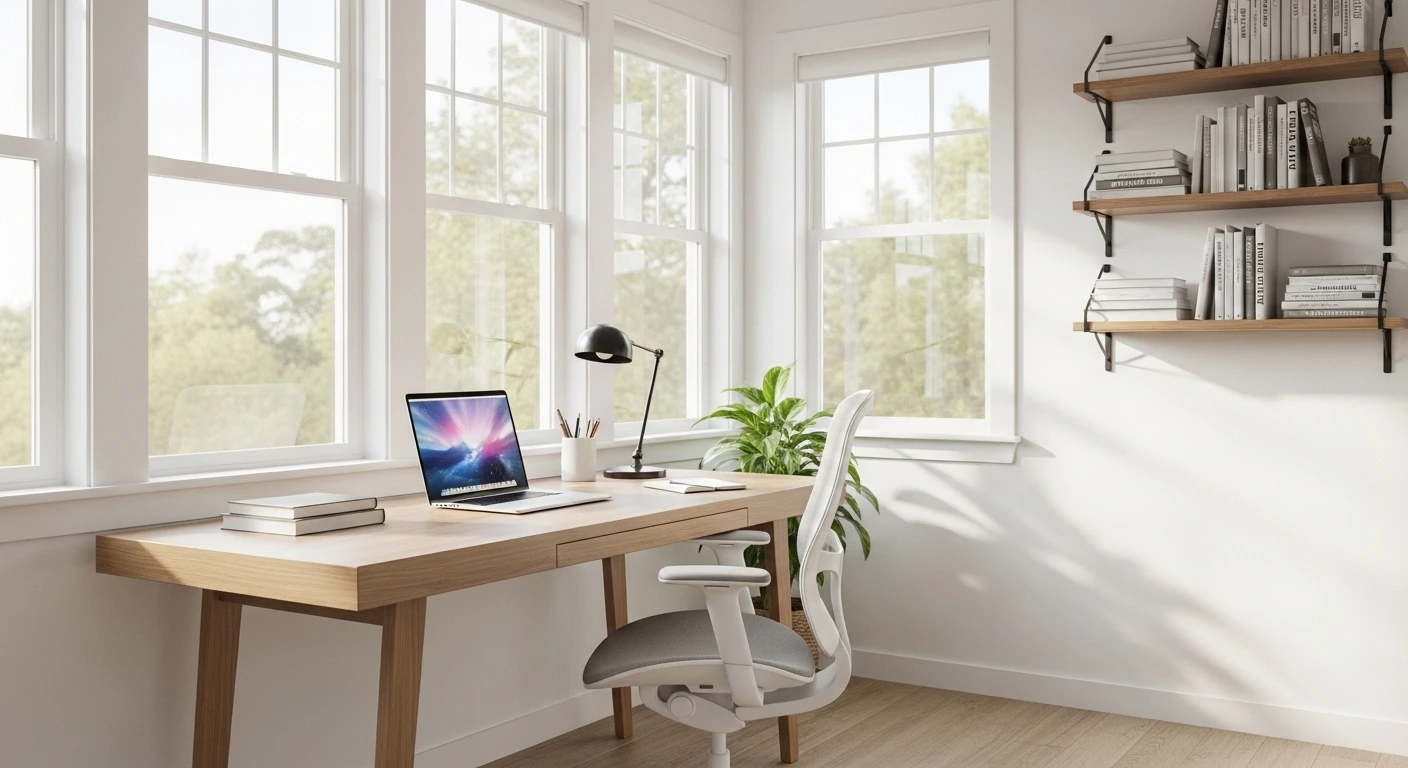
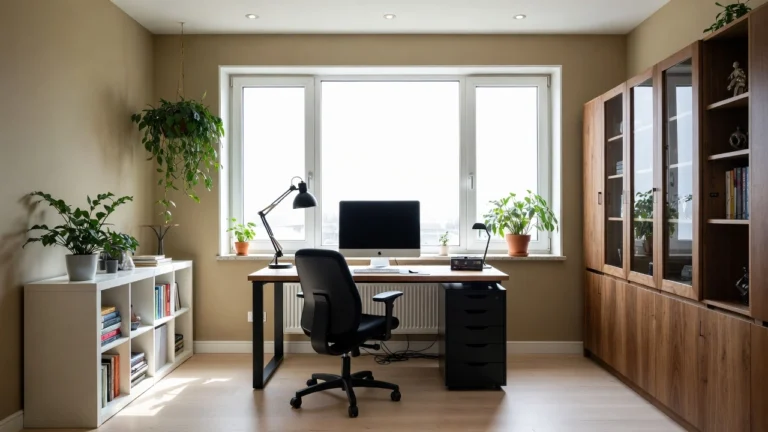
The rise of working from home has made the sunroom an extraordinarily practical space, and among all bright sunroom ideas, the natural-light home office may be the one with the clearest daily benefit. Sustained access to natural daylight has a well-documented positive effect on focus, mood, and energy levels, making a sunlit workspace genuinely more productive than an interior office. Position the desk to take advantage of the best light without placing a screen in direct glare. A simple wall-mounted shelf keeps the setup organized without adding visual weight. Trailing plants, a quality chair, and a fast internet connection are all that is needed to make the sunroom the most productive room in the house.
Layer Rugs and Textiles for Warmth and Texture
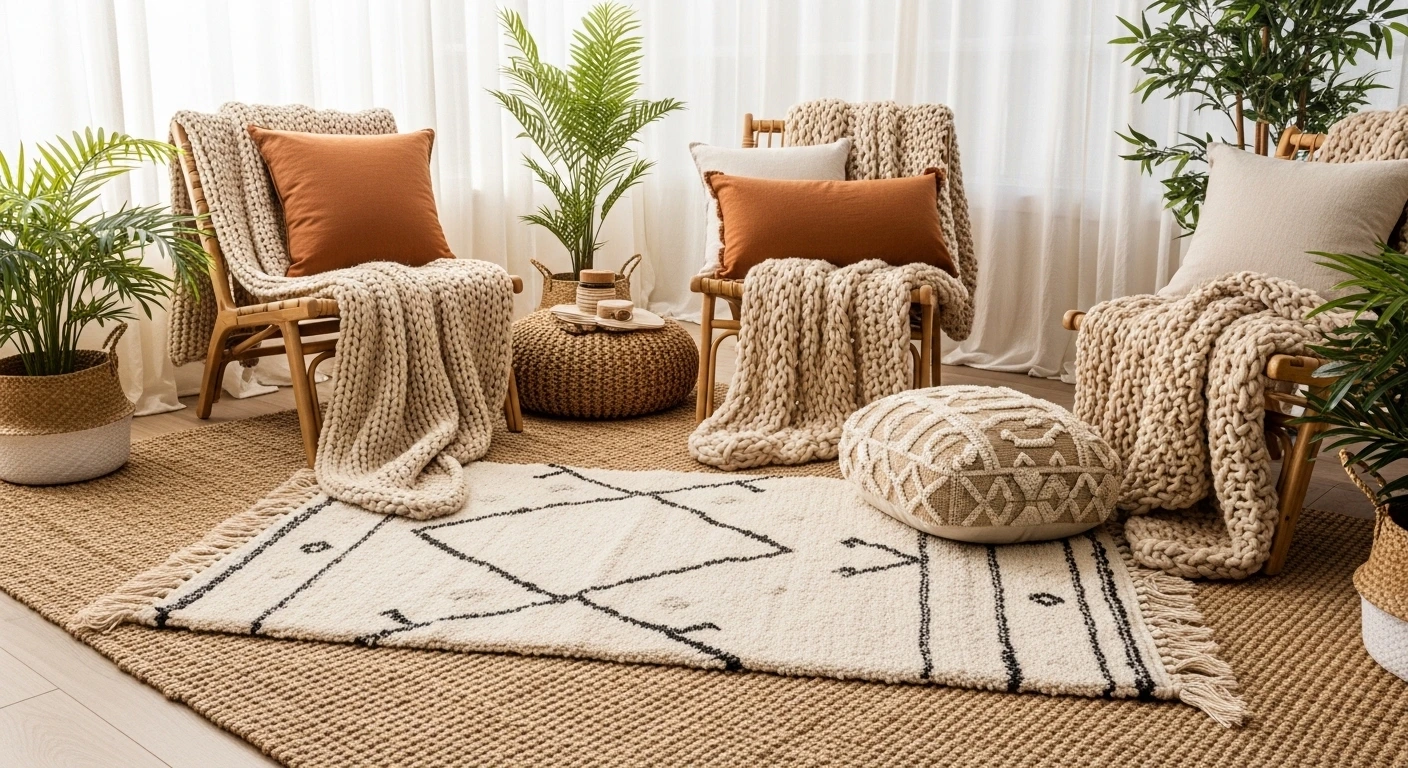
A sunroom that is purely glass and furniture risks feeling sparse and unfinished no matter how much light it contains. Layered rugs and textiles are what bring a room to life and make it feel genuinely inhabited. A large area rug in a natural weave, a jute, or a faded outdoor-rated pattern defines the seating area and grounds the furniture arrangement. Layering a smaller, more decorative rug on top adds depth and visual interest. Throw blankets in linen, cotton, or chunky knit draped over chairs and benches add texture that invites you to sit down and stay. These soft layers also absorb sound in a glass-heavy room, making the environment more comfortable acoustically.
Bright Sunroom Ideas With a Modern Minimalist Approach

Not every sunroom needs to lean into the wicker-and-botanicals aesthetic that dominates so many design publications. A modern minimalist interpretation of bright sunroom ideas is equally compelling and often easier to maintain. The principles are straightforward: maximize glass, minimize visual clutter, and let the light itself become the primary decorative element. Clean-lined furniture in neutral or muted tones, a polished concrete or large-format tile floor, and a single statement plant or two in modern ceramic pots create a sophisticated environment where the architecture and natural light do all the heavy lifting. Avoid layering in too many accessories, and resist the pull of pattern. The restraint is the point.
Transform Your Sunroom Into a Plant Conservatory

The final idea on this list is also among the most ambitious and most rewarding. A plant conservatory sunroom takes the principles of biophilic design to their fullest expression, turning the glass enclosure into a genuine indoor garden. Tiered plant stands, hanging ceiling planters, wall-mounted pocket planters, and large specimen plants in statement pots fill every vertical and horizontal plane with green life. The humidity generated by a dense plant collection actually creates a microclimate within the room that many people find deeply relaxing. For serious plant enthusiasts, this kind of sunroom doubles as a growing space for cuttings, seedlings, and tropicals that would not survive outdoors through winter.
Conclusion
Building a Sunroom That Works as Hard as It Looks
The fifteen bright sunroom ideas covered in this article share a common foundation: they treat light not as a bonus feature but as the primary material of the design. Every decision, from the glass specifications and ceiling height to the color of the walls and the texture of a throw blanket, either serves or undermines the room’s central purpose of being a genuinely bright, warm, and welcoming space. A well-designed sunroom rewards daily use in a way that few other home additions can match. It becomes the room where mornings begin, where work feels less like work, where plants thrive, and where the boundary between the comfort of home and the beauty of the outside world simply ceases to exist. Whether your project is large or small, these ideas give you a clear starting point for building something worth coming back to every day.
Explore more for trending half bathroom ideas!!
Frequently Asked Questions
What is the best orientation for a bright sunroom?
South-facing sunrooms receive the most consistent sunlight throughout the day in the northern hemisphere. East-facing rooms capture beautiful morning light, while west-facing options are ideal for afternoon warmth. North-facing sunrooms tend to be cooler and may require more supplemental lighting to feel genuinely bright.
How do I keep a sunroom cool in summer without losing the light?
Ceiling fans, vented skylights, and UV-filtering glass are the most effective options. Sheer curtains or solar shades on the most sun-exposed windows during peak afternoon hours help control heat while still allowing soft, diffused light into the space.
Can a small sunroom still feel bright and open?
Absolutely. White or pale walls, mirrors positioned opposite windows, minimal furniture with clean lines, and ample glass coverage can make even a compact sunroom feel significantly larger and more luminous than its actual square footage suggests.
What flooring works best in a bright sunroom?
Large-format porcelain tiles, polished concrete, and sealed hardwood are all excellent choices. Light-toned flooring reflects incoming light back into the room, amplifying brightness. For warmth and comfort underfoot, layering a natural-fiber rug over a tiled floor is a practical and stylish solution.
How much does it typically cost to add a sunroom?
Costs vary widely depending on size, materials, and whether the addition is a true four-season room or a three-season enclosure. A basic three-season sunroom can begin around $15,000 to $25,000, while a fully insulated, climate-controlled four-season room with quality glazing can range from $50,000 to well over $100,000 for larger footprints.

2 Comments