
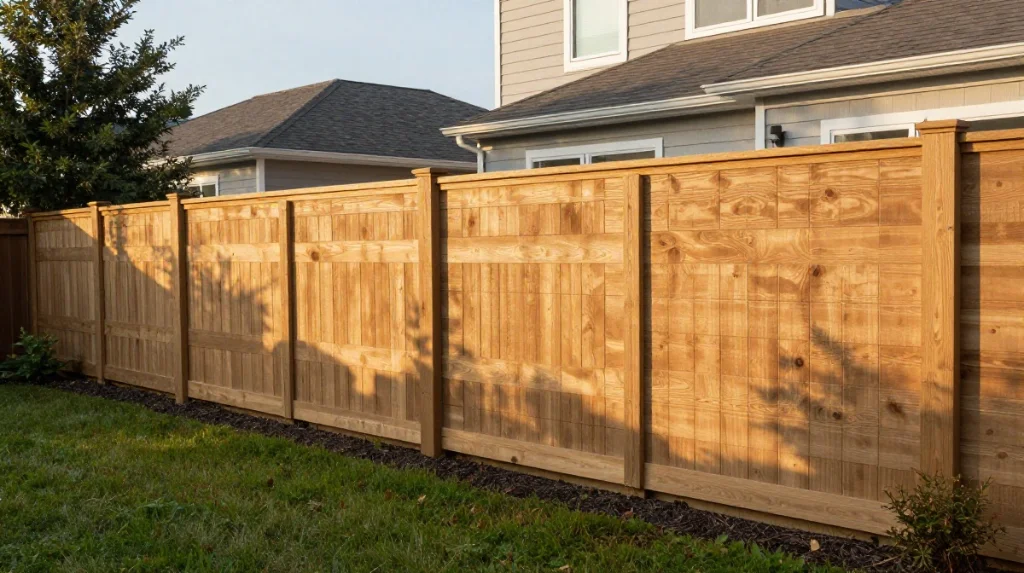
Wood Privacy Fence: 16 The Complete Guide to Style, Cost, and Installation
Homeowners across the United States keep asking the same question every spring: what actually makes a good backyard boundary? A wood privacy fence answers that question better than almost any other option on the market. It blocks nosy neighbors, muffles street noise, and gives kids and pets a safe place to roam. This guide walks through everything worth knowing, from wood choice to maintenance tricks that keep boards looking sharp for decades.
What Is a Wood Privacy Fence?
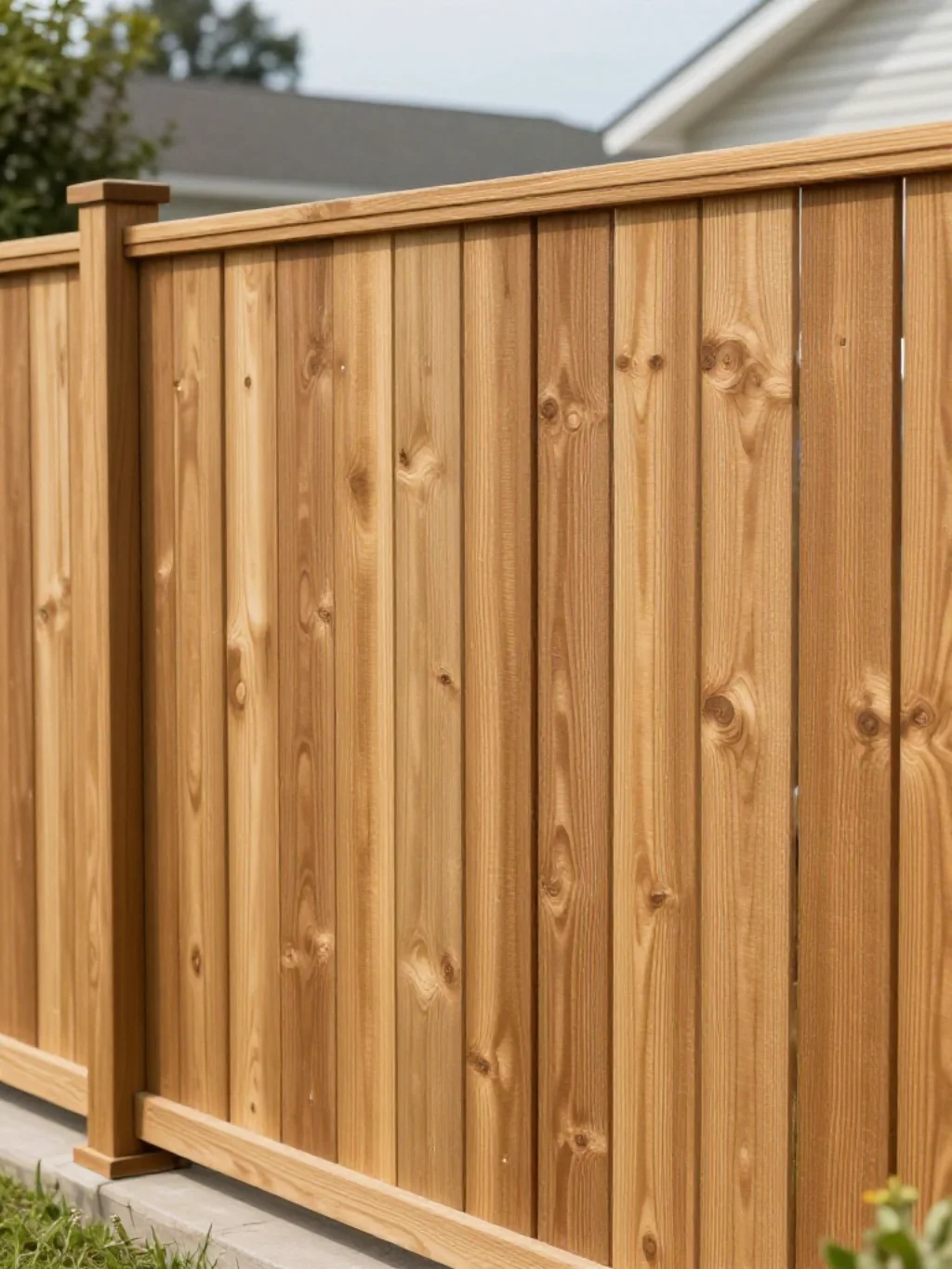
A wood privacy fence is a solid barrier built from vertical fence boards placed close together, leaving little or no gap between panels. Unlike open-style rail fences, this design blocks sightlines completely. Most versions stand between six and eight feet tall, tall enough to stop prying eyes without feeling like a fortress.
Builders often use wooden fence panels pre-assembled in sections, though custom fence picket design work remains popular for homeowners chasing a specific look. The structure typically rests on buried posts, spaced evenly, with horizontal rails connecting everything. Simplicity is the whole point here. Nothing fancy, just solid wood doing its job.
Benefits of Installing a Wood Privacy Fence

Privacy tops the list, obviously, but it’s far from the only perk. A well-built fence raises curb appeal instantly and often boosts resale value too. Real estate agents in Texas, Ohio, and California regularly mention fencing as a selling point during walkthroughs. Buyers notice a tidy yard before they notice much else.
Beyond looks, wood does something vinyl and metal can’t quite match: it feels warm and natural. Sound dampening is another underrated advantage, especially for homes near busy roads. Pair that with strong backyard fence ideas and suddenly a plain yard turns into a private retreat perfect for barbecues, reading nooks, or a dog run that actually keeps the dog contained.
Best Wood Types for Privacy Fencing (Cedar, Pine, Redwood)
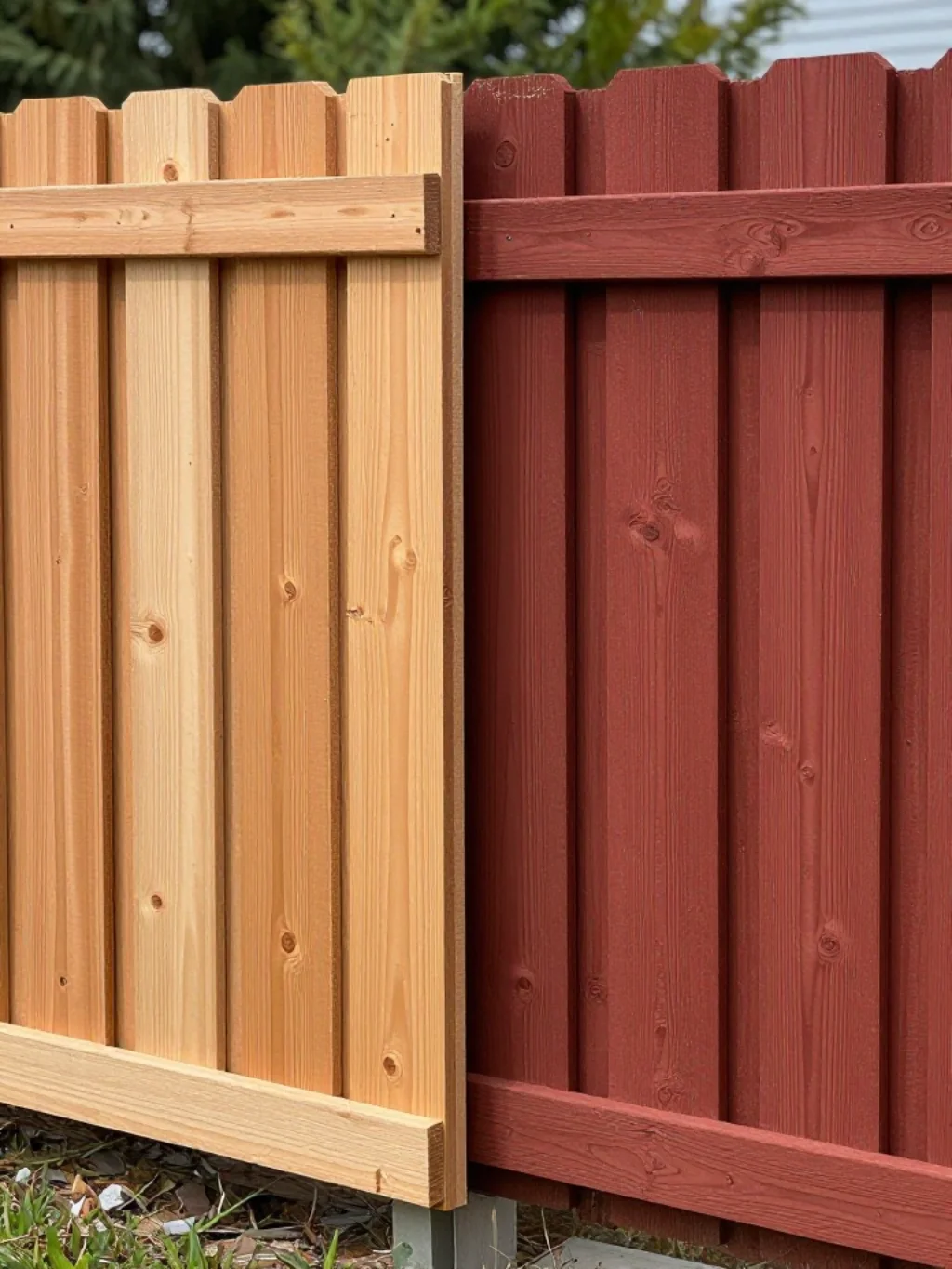
Not all lumber behaves the same way outdoors. Best wood for privacy fence projects usually comes down to three contenders: cedar, pine, and redwood. Each has strengths worth weighing before committing.
| Wood Type | Durability | Average Cost | Natural Resistance |
|---|---|---|---|
| Cedar | 15–20 years | Moderate-High | Insects, rot |
| Pressure-Treated Pine | 10–15 years | Low | Chemically treated |
| Redwood | 20–25 years | High | Insects, decay |
A cedar privacy fence remains the crowd favorite nationwide because it balances price and longevity so well. Redwood lasts longer but costs more upfront, while pressure-treated wood fence panels offer the cheapest entry point for budget-conscious families. Climate matters too; humid regions favor rot-resistant species over standard pine.
Popular Wood Privacy Fence Styles and Designs
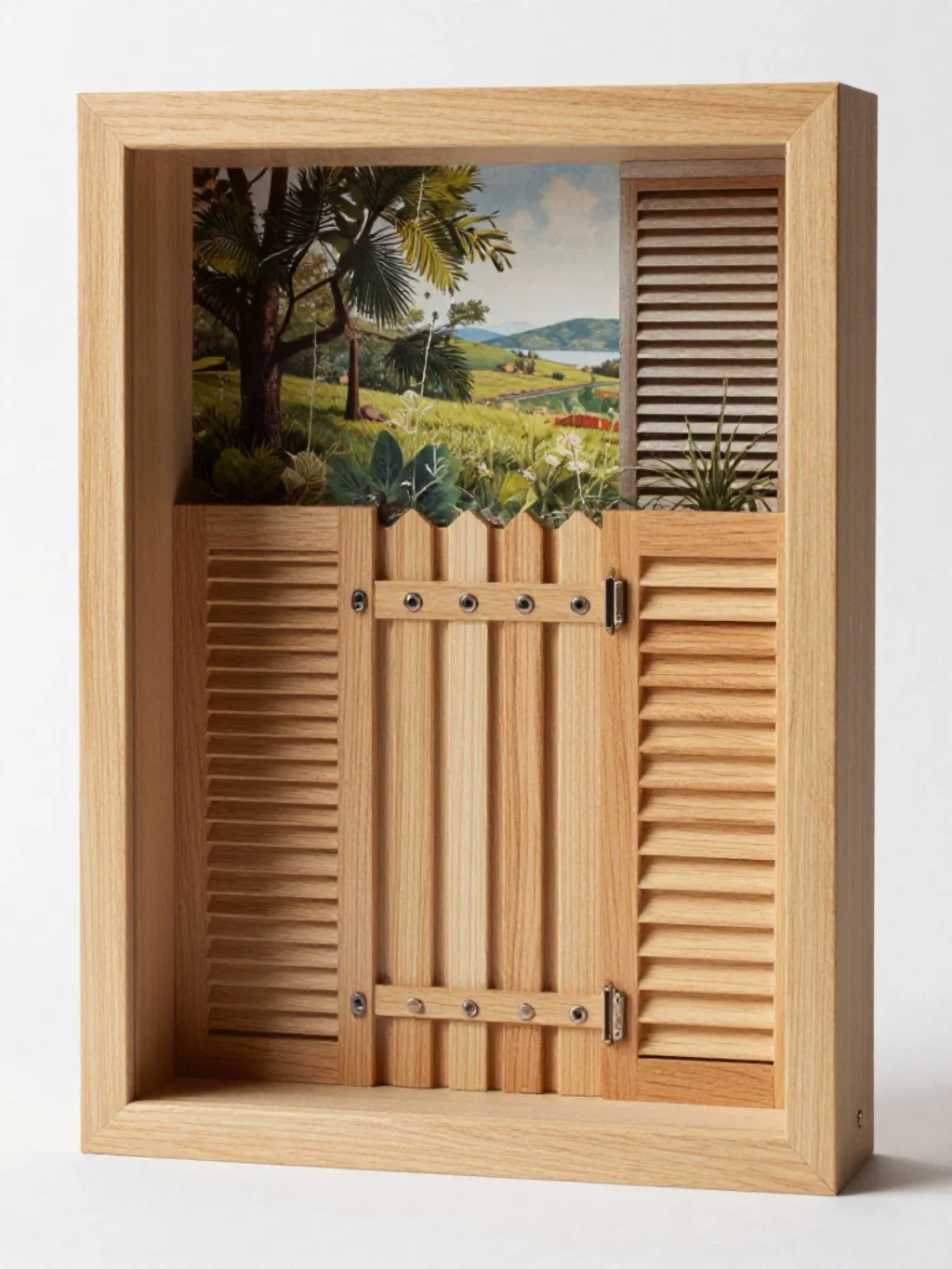
Style options have exploded over the past decade. Board-on-board designs overlap slats so no gaps show from either side, which many homeowners consider the gold standard for privacy fence styles. Shadowbox fencing alternates boards on front and back rails, creating a woven look that’s friendly to plants on both sides.
Then there’s the louvered fence, popular in modern coastal homes, and the classic stockade fence found in older suburban neighborhoods. Adding a lattice topper softens a tall fence’s appearance while still blocking most views. Whatever direction someone chooses, matching the style to the house’s architecture usually produces the best results.
Horizontal vs Vertical Wood Fence Panels
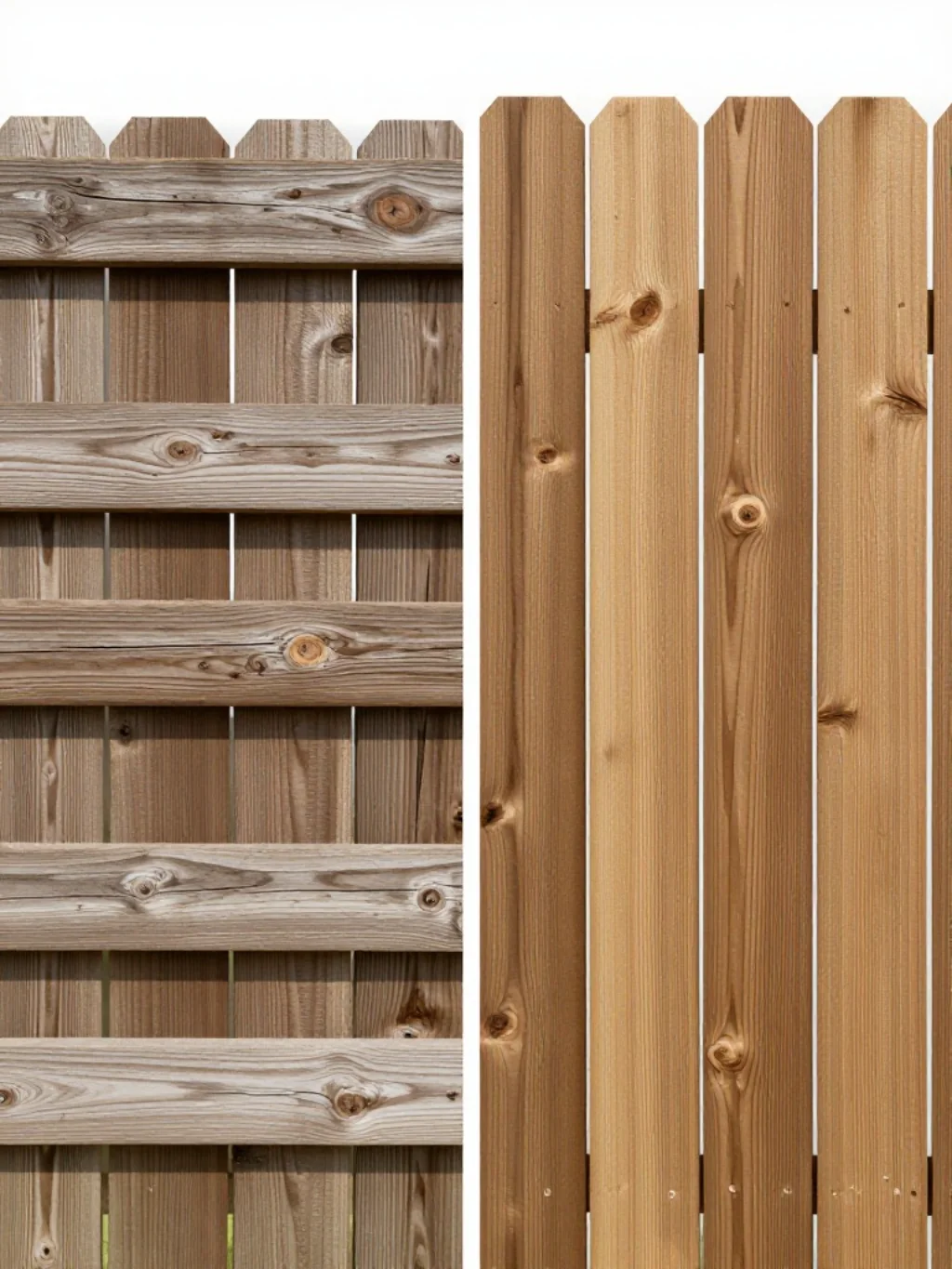
This debate comes up constantly among DIY forums and contractors alike. A horizontal wood fence delivers a sleek, contemporary vibe that pairs beautifully with modern homes featuring clean lines. Boards run side to side, creating a low, wide visual rhythm that many designers love.
Traditional vertical fence boards, on the other hand, suit classic and craftsman-style properties far better. Vertical designs also handle wind loads a bit more predictably since gravity pulls straight down along the grain. Cost-wise, horizontal builds sometimes need extra blocking between posts, nudging the price slightly higher. Personal taste usually decides the winner here more than engineering does.
Average Cost of a Wood Privacy Fence
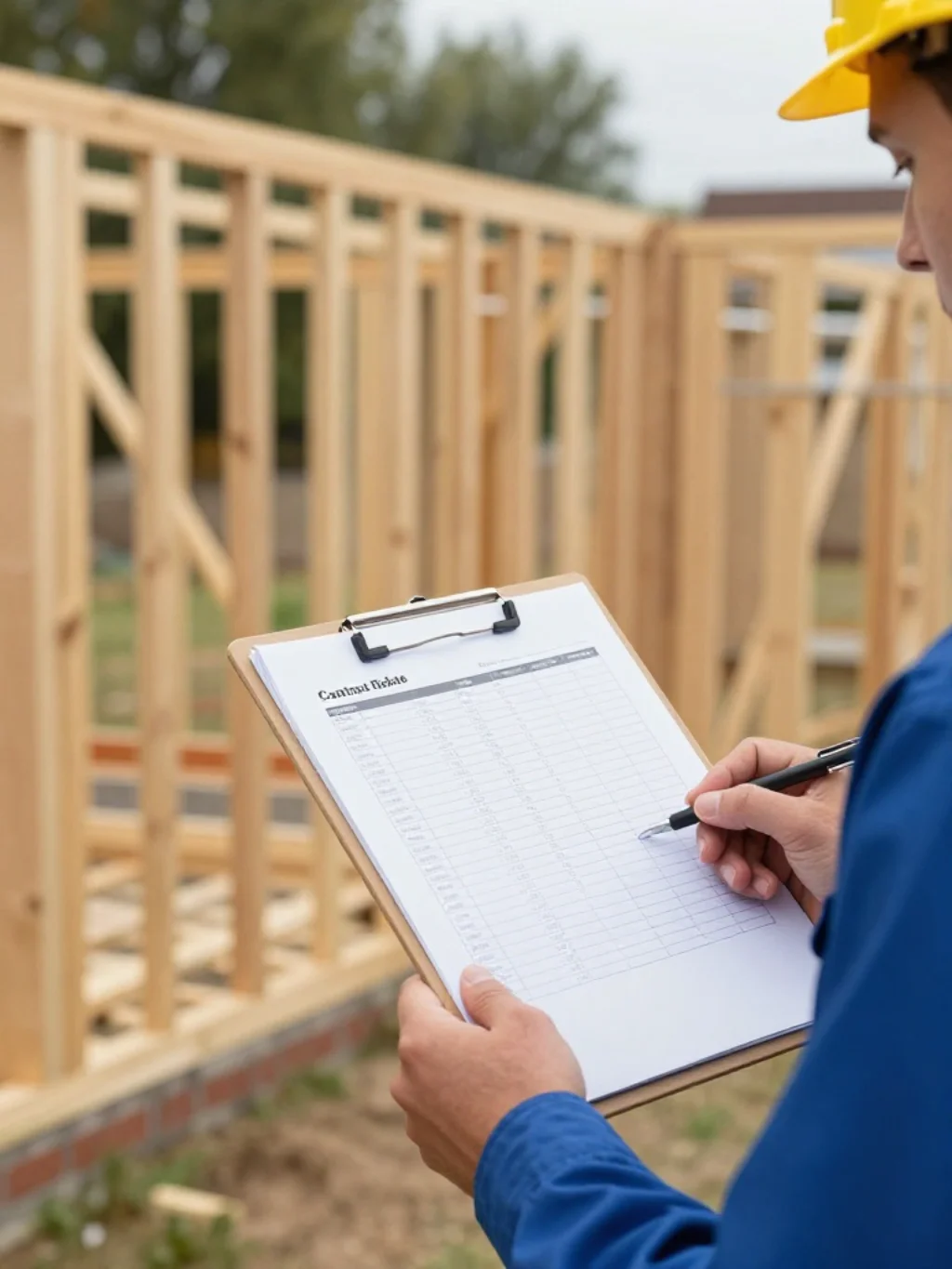
Budgeting matters just as much as design. Wood privacy fence cost per linear foot typically ranges from $15 to $35, depending on wood species, region, and labor rates. A standard 150-foot backyard perimeter often lands somewhere between $2,250 and $5,250 total.
Wood fence pricing per foot climbs when premium cedar or redwood enters the picture, while pressure-treated pine keeps things affordable. Northeastern and West Coast states generally report higher fence installation cost figures because of labor pricing. Getting three quotes from local contractors remains the smartest way to gauge a fair number for any specific project.
Factors That Affect Wood Fence Pricing
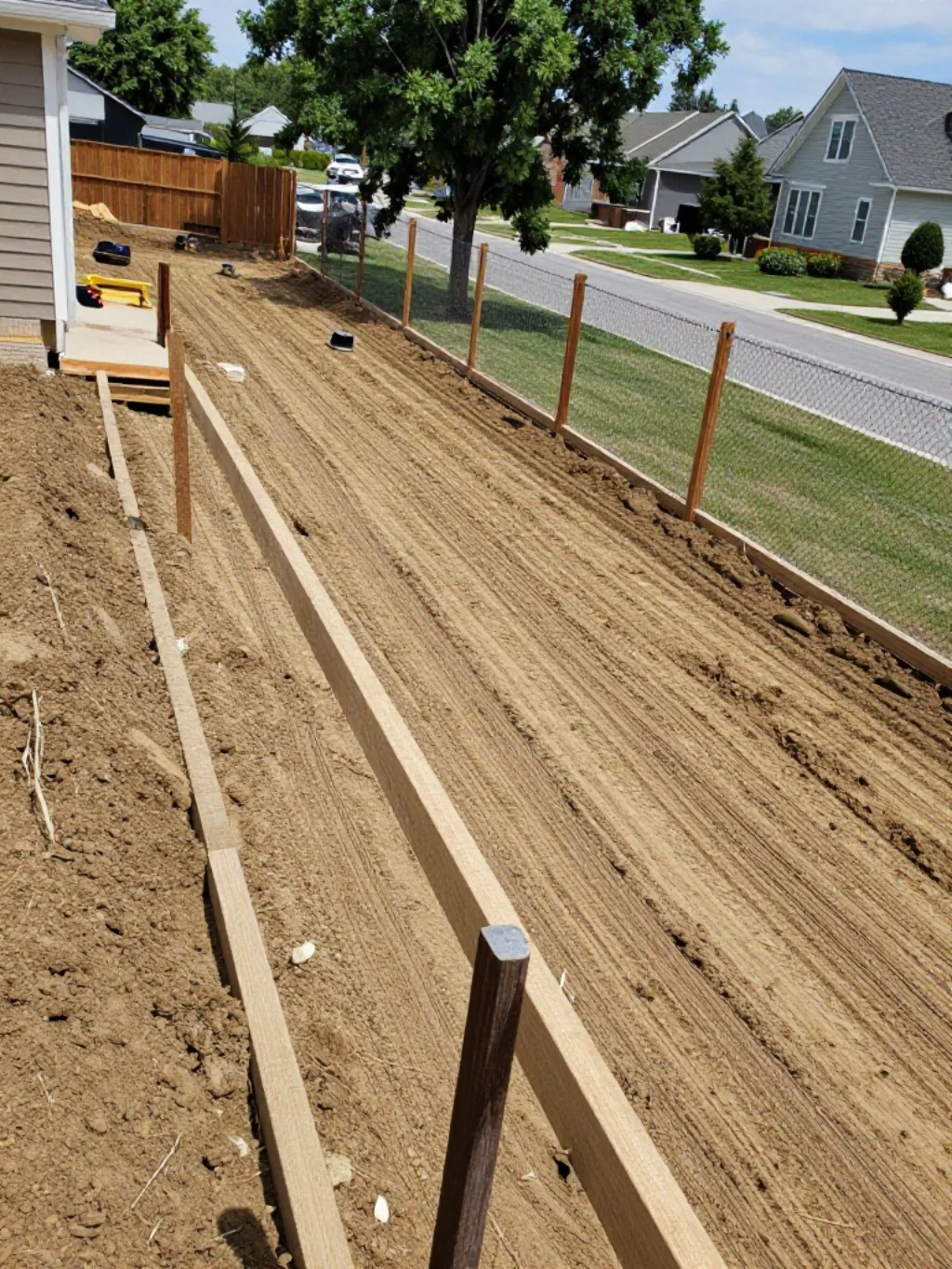
Several variables push the final number up or down. Terrain plays a bigger role than most people expect; sloped or rocky yards demand extra grading work. Fence height matters too, since eight-foot sections require more material and labor than standard six-foot runs.
Gate additions, decorative caps, and custom staining all add line items to any estimate. Hiring a licensed custom fence contractor instead of a handyman often costs more initially but reduces the odds of costly repairs later. Permit fees, though usually small, still deserve a spot in the overall budget conversation.
DIY vs Professional Wood Fence Installation
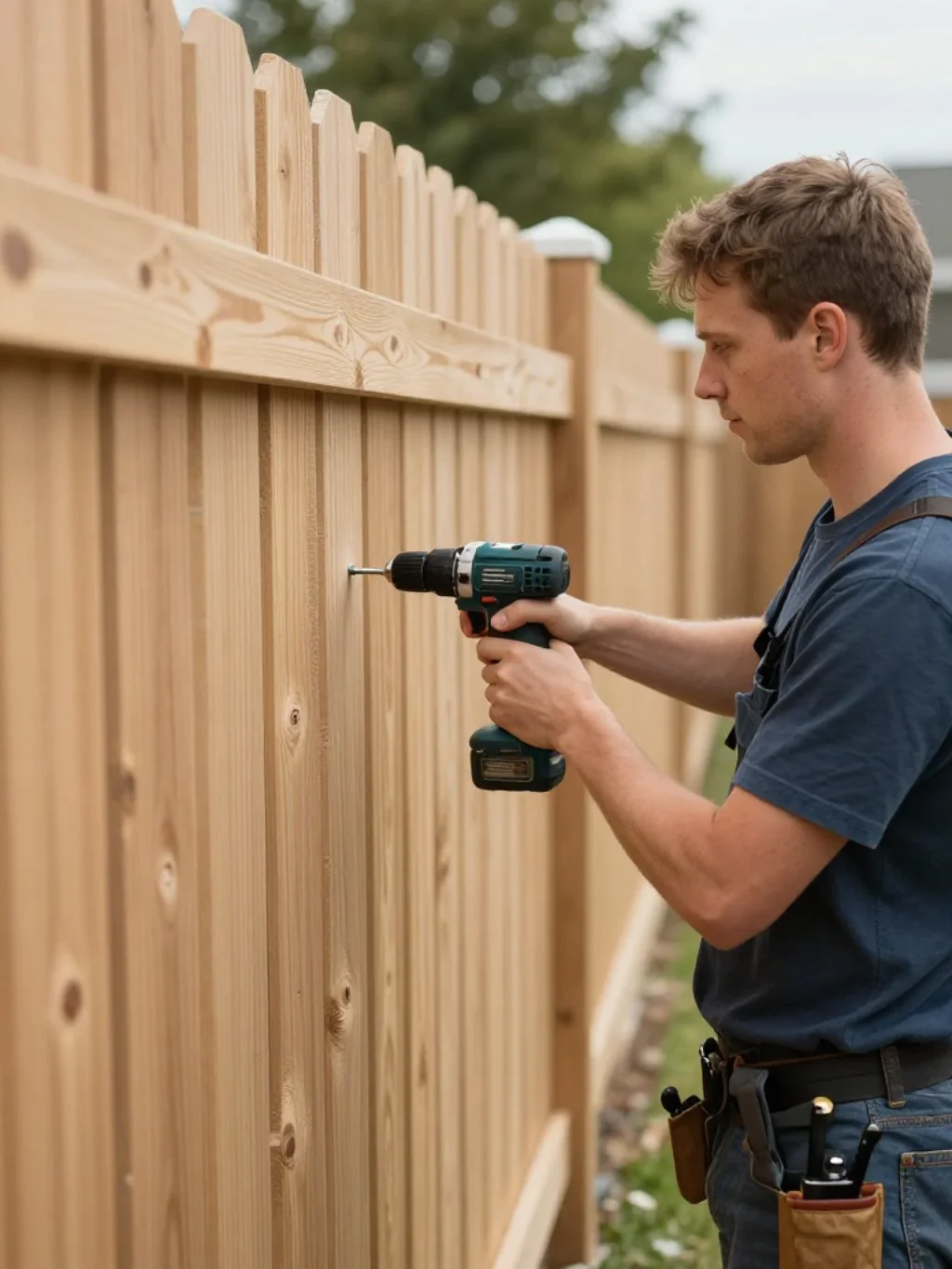
Plenty of confident homeowners attempt DIY fence building every weekend across the country, and honestly, it’s doable for smaller yards with basic tools. Digging post holes, setting concrete, and attaching rails isn’t rocket science, though it does demand patience and a level eye.
Larger properties or tricky terrain usually call for professional installers instead. Contractors bring specialized equipment like power augers that turn a two-day job into a two-hour one. Warranty coverage also sweetens the deal since most professional installs include guarantees on both labor and materials, something a solo DIY attempt simply can’t offer.
Step-by-Step Guide to Building a Wood Privacy Fence
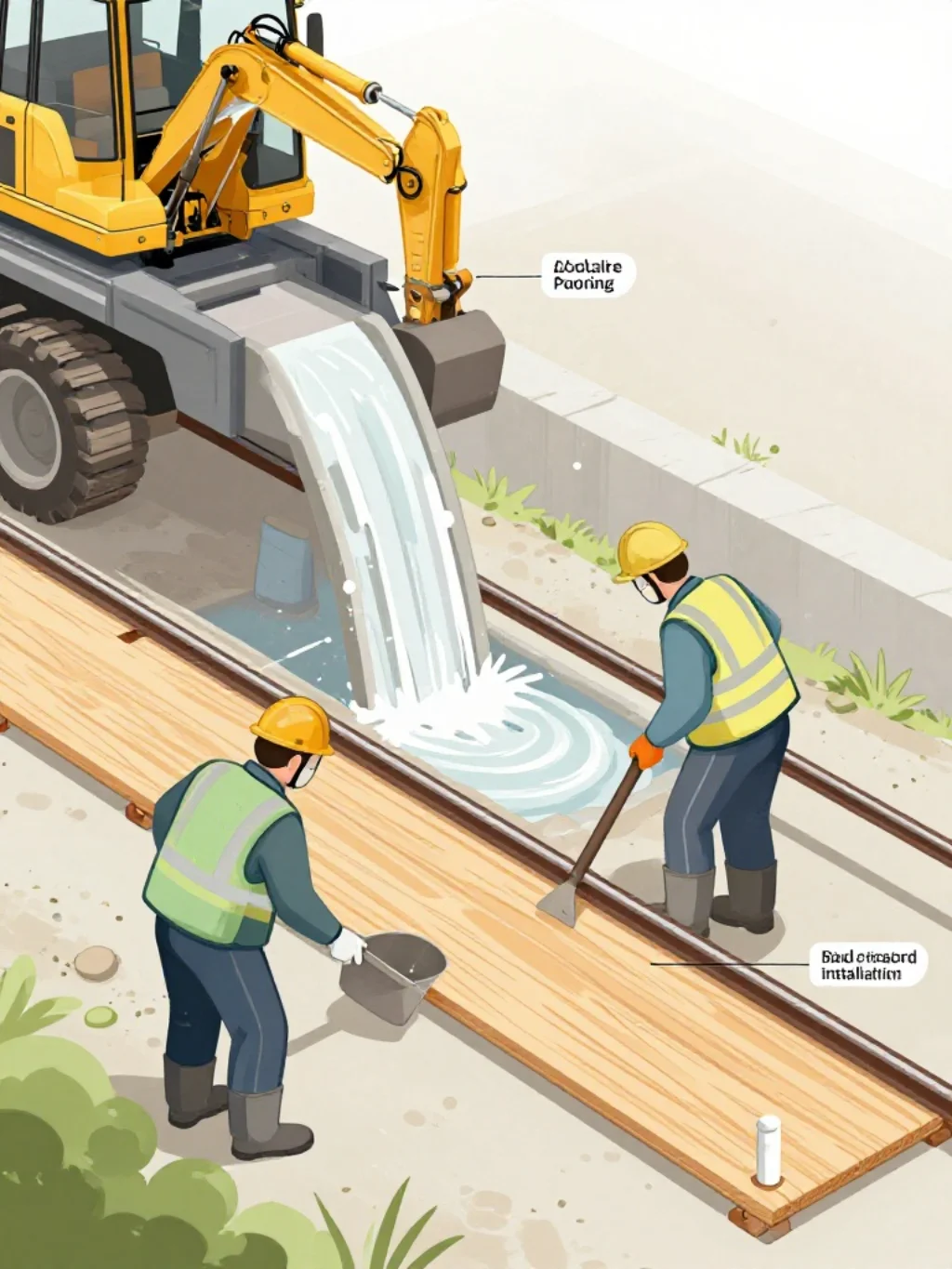
Learning how to build a wood privacy fence starts with a clear plan. Mark the property line first, then call 811 before digging to avoid utility lines. Set corner posts, run a string line between them, and space remaining posts evenly along that guide.
Concrete anchors each post; letting it cure for 24 to 48 hours prevents leaning later. Attach horizontal rails next, followed by the vertical boards, checking level constantly as work progresses. Finish with a cap rail for a polished edge. Patience during layout saves headaches during every later step.
Tools and Materials Needed for Fence Installation
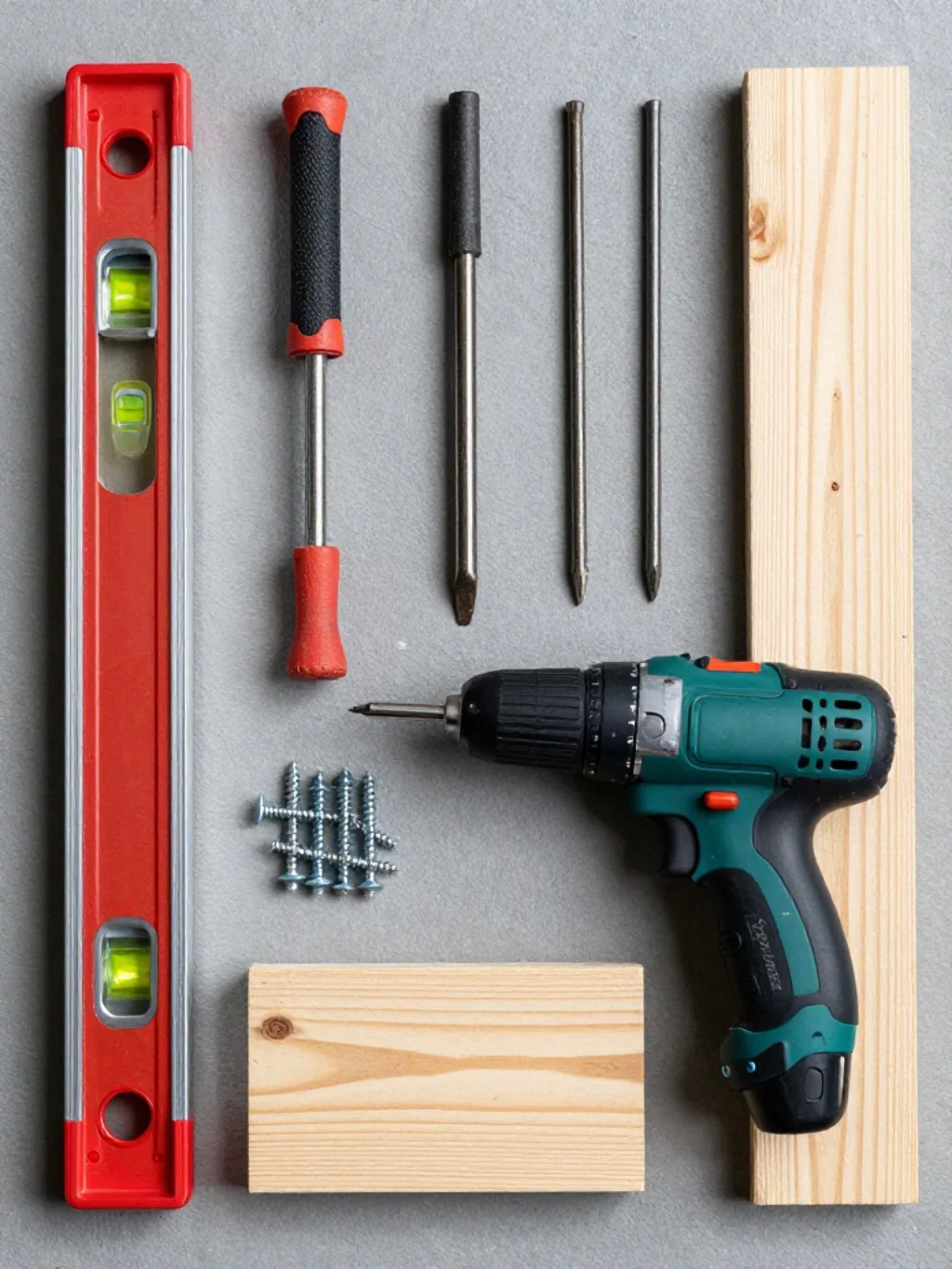
Every solid project starts with the right gear. A post-hole digger or power auger saves serious time compared to hand tools. Add a level, tape measure, circular saw, drill, and concrete mix to the essential list.
Materials naturally include posts, rails, and boards, but don’t forget galvanized screws, post caps, and gate hardware if applicable. Skimping on fasteners is a common rookie mistake that leads to squeaky, wobbly sections within a year. Quality hardware costs a little more but pays off through years of trouble-free use.
Wood Fence Height and Local Regulations
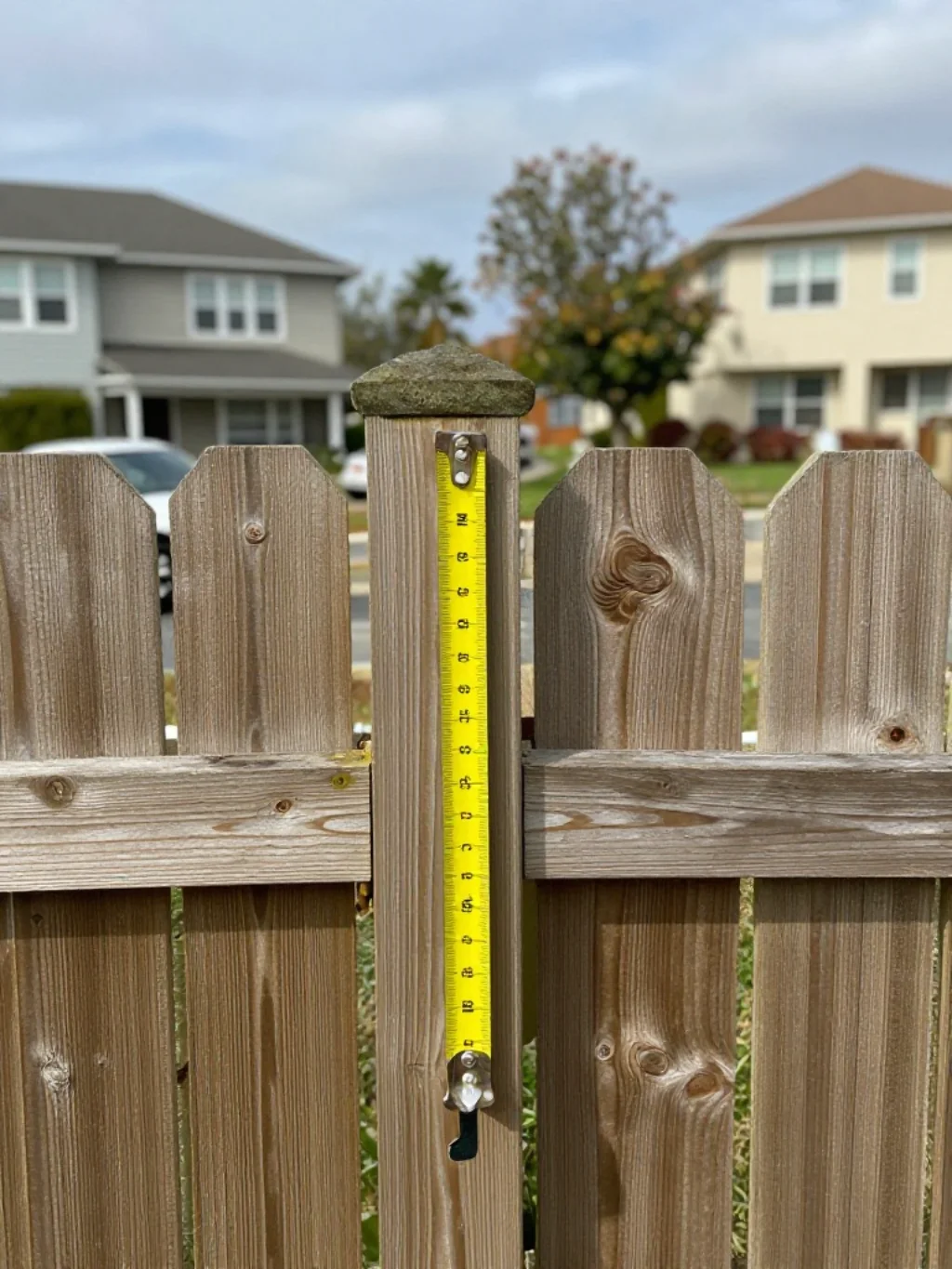
Every city handles fence height regulations differently, so checking local codes before building saves major headaches. Most residential zones cap backyard fences at six feet, while front yard fences often max out around four feet.
Homeowners associations frequently add their own rules on top of municipal codes, covering everything from color to material type. Corner lots sometimes face stricter limits due to visibility requirements at intersections. A quick call to the local building department, or a look at the HOA handbook, clears up confusion before the first post ever goes in the ground.
How to Maintain and Extend the Life of Your Wood Fence
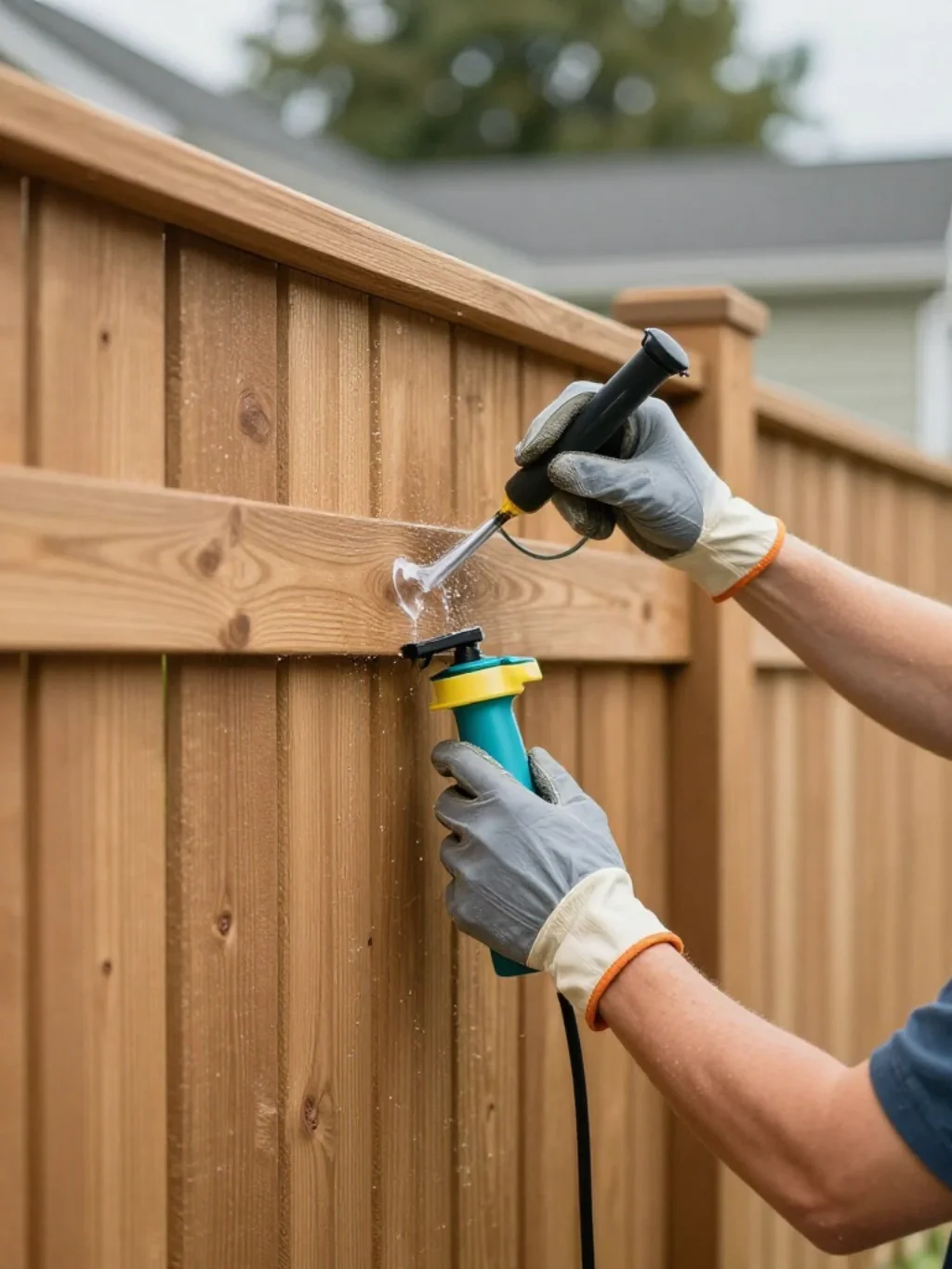
Wood fence maintenance tips matter more than most new owners realize. Annual inspections catch loose boards, rusted hardware, or early rot before problems spread. A garden hose rinse a few times a year keeps dirt and mildew from building up on the surface.
Trimming nearby plants back prevents moisture from sitting against the wood too long. Reapplying sealant every two to three years dramatically extends lifespan, especially in wet climates. How long does a wood fence last really depends on this upkeep routine; neglected fences fail in under a decade, while well-maintained ones easily reach twenty years or beyond.
Staining vs Painting: Which Is Better for Wood Fences?
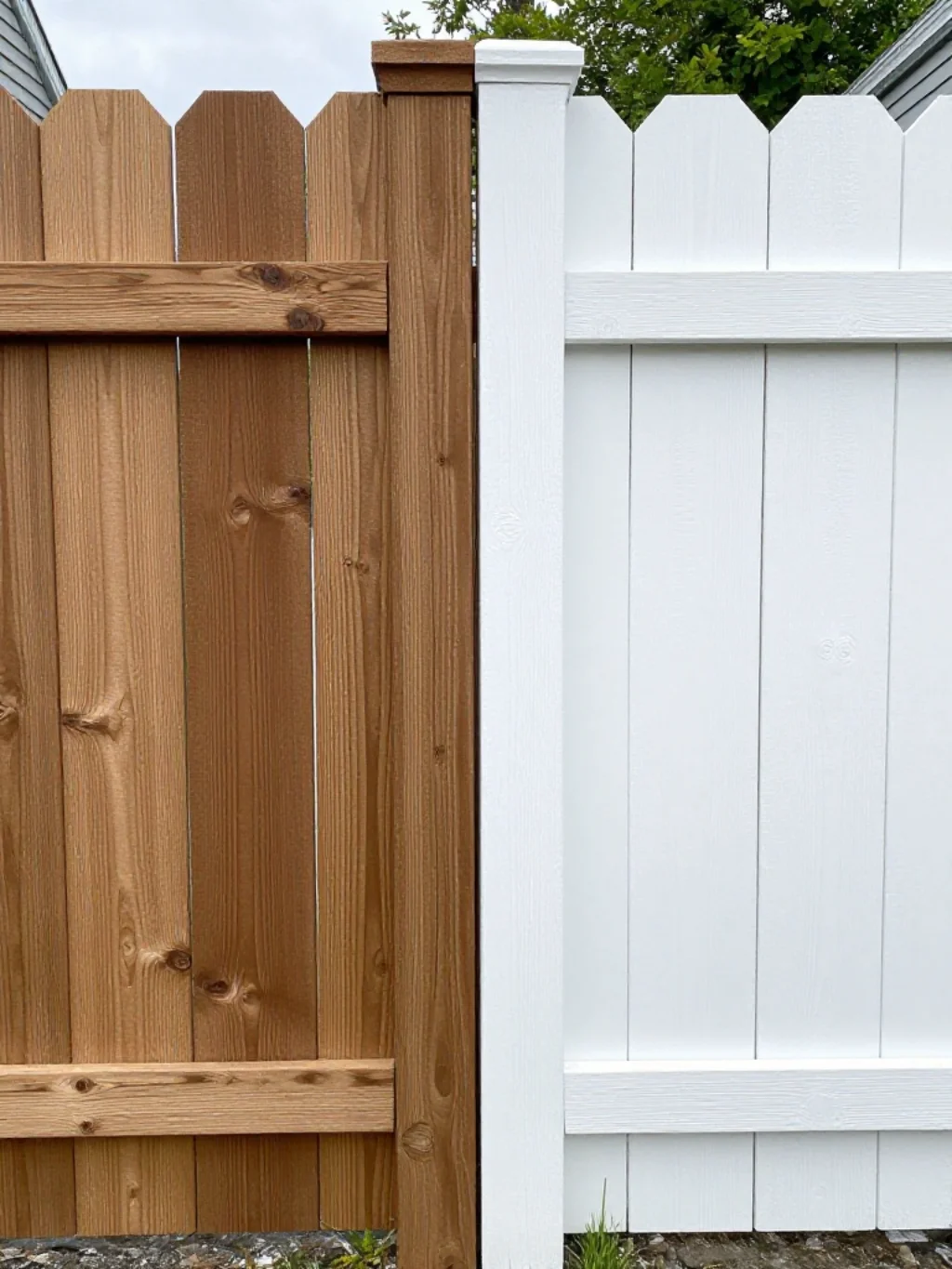
This question sparks endless debate among fence owners. Staining lets the natural wood grain show through while still offering solid UV and moisture protection. Most professionals recommend semi-transparent stain for fence staining and sealing projects since it balances beauty with durability.
Painting, by contrast, hides the grain entirely but offers a wider color palette and slightly longer protection between coats. How to stain a wood fence properly involves cleaning the surface first, letting it dry completely, then applying thin, even coats with a sprayer or brush. Painted fences need repainting roughly every five to seven years, whereas stain touch-ups happen more frequently but cost less per application.
Common Wood Fence Problems and How to Fix Them
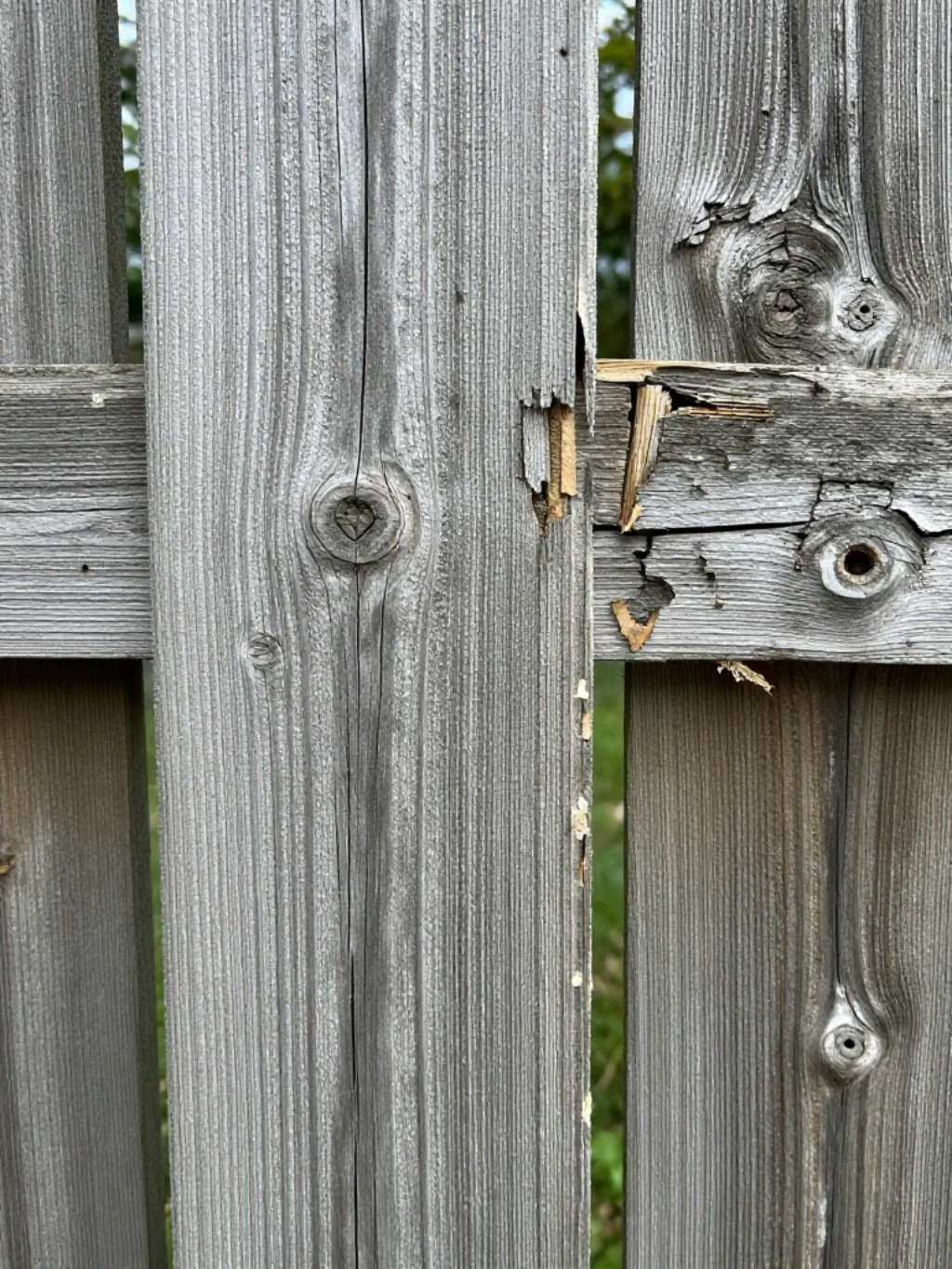
Warping ranks among the most frequent complaints, usually caused by uneven moisture exposure. Replacing individual warped boards is far cheaper than rebuilding an entire section. Rot near the base often signals poor drainage; adding gravel around post footings helps water escape instead of pooling.
Loose posts wobbling in the wind typically mean the concrete footing cracked or shifted. Digging out and repouring that single post usually solves it without touching the rest of the fence. Insect damage, particularly from termites, calls for treated replacement boards and possibly a professional pest inspection nearby.
Wood Privacy Fence vs Vinyl and Metal Alternatives
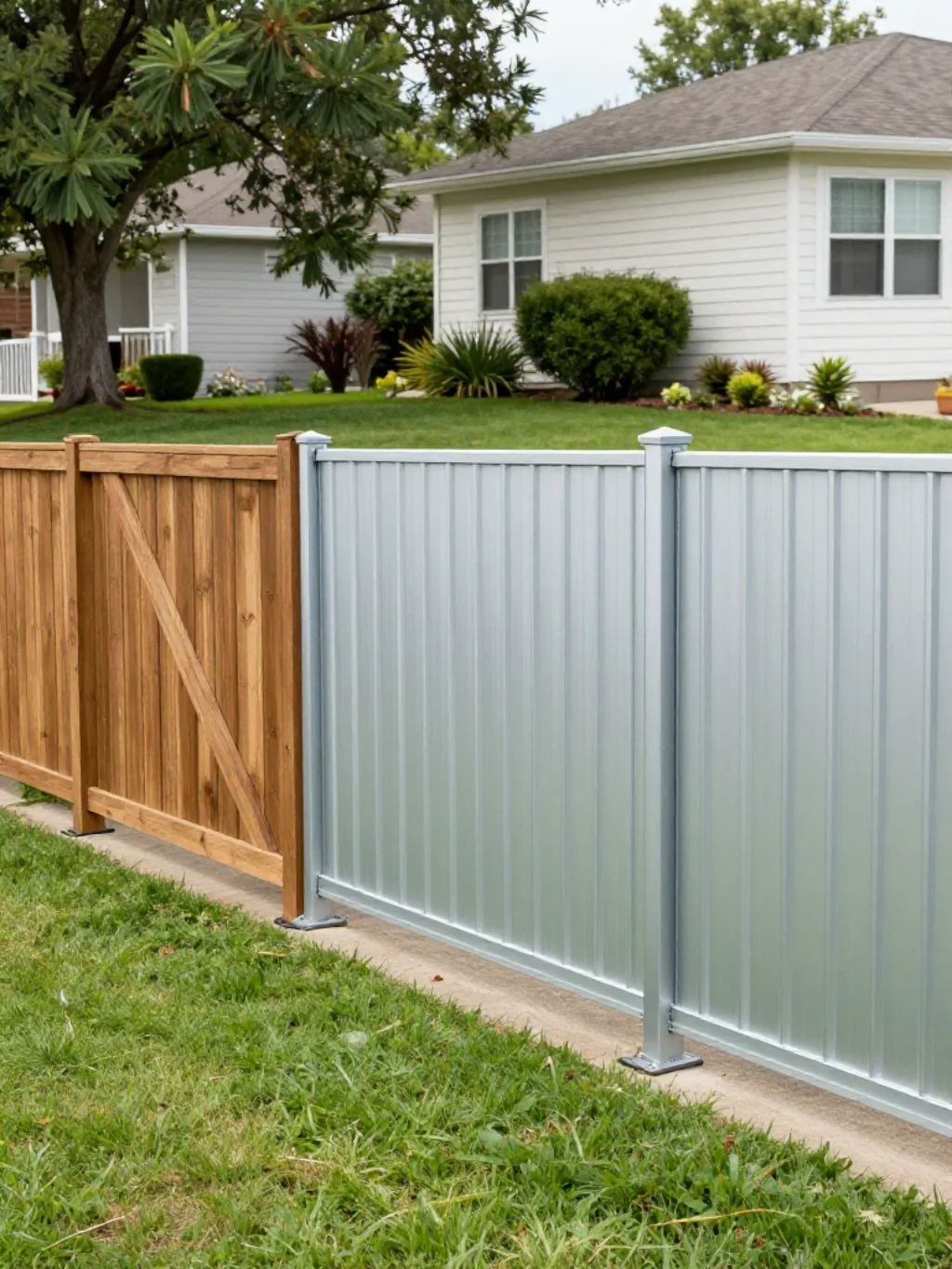
Wood fence vs vinyl fence comparisons come up constantly, and each material has genuine strengths. Vinyl needs almost no maintenance and resists rot entirely, but it costs more upfront and can crack in extreme cold. Metal fencing, meanwhile, offers unmatched durability yet rarely delivers true privacy screen fencing unless paired with mesh or slat inserts.
Wood wins on repairability since a single damaged board gets swapped out easily, unlike vinyl panels that often require full-section replacement. Aesthetic warmth also favors wood heavily among buyers who want a natural, classic look rather than a manufactured shine.
you may can also like this :Spring Front Porch Decor Ideas: 16 Ways to Refresh Your Outdoor Space
Final Tips for Choosing the Right Wood Privacy Fence
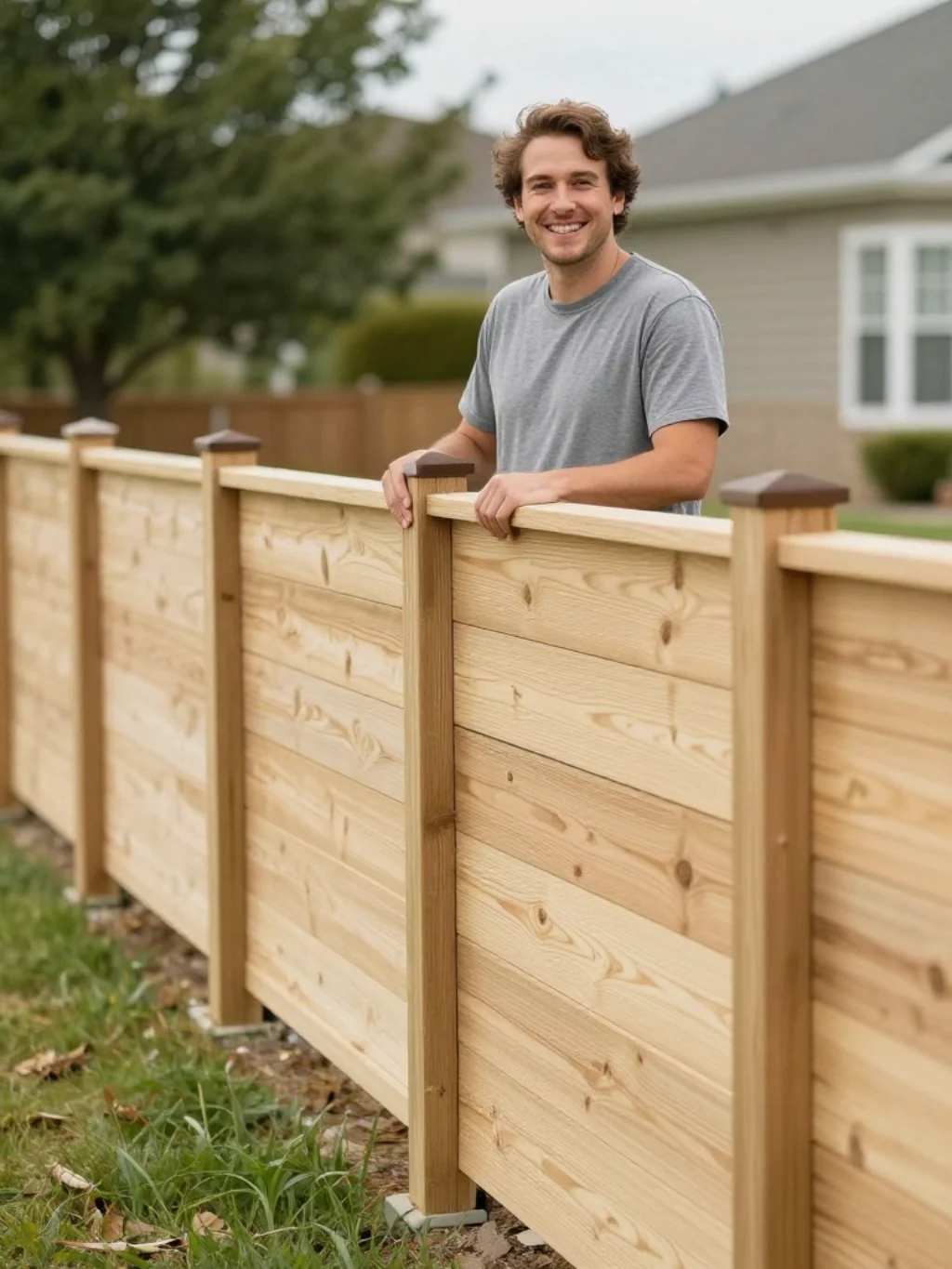
Choosing among types of wood privacy fences ultimately comes down to budget, climate, and personal style. Cedar suits most regions well, while pressure-treated pine works for tighter budgets. Always factor fence post spacing into planning, since posts set too far apart weaken the entire structure over time.
Don’t overlook fence gate design either; a mismatched gate ruins an otherwise beautiful fence line. For homeowners exploring residential fence options or hunting for cheap wood privacy fence ideas, comparing at least three local suppliers on wood fence panels for sale usually reveals the best combination of price and quality. Proper fence board overlap, typically about one inch, keeps gaps from forming as wood naturally shrinks with age.




One Comment