
Home Library Design: 17 A Complete Guide to Creating Your Dream Reading Space
Books deserve a home of their own, and nothing beats a room built just for reading. Whether you own ten novels or ten thousand, thoughtful home library design turns an ordinary corner into a sanctuary. This guide walks you through every decision, from layout to lighting, so your space feels personal, functional, and beautiful.
What is a Home Library and Why You Need One
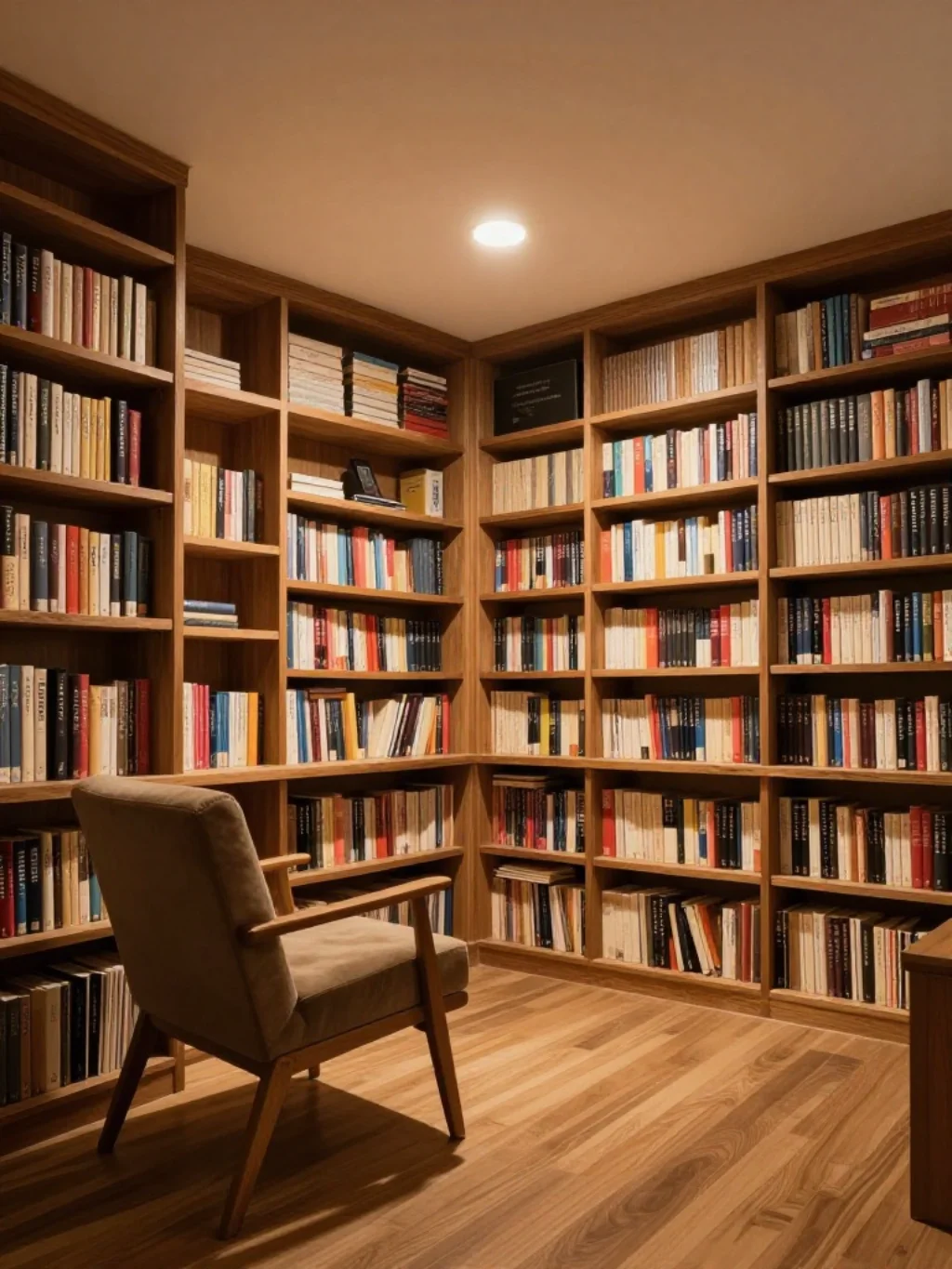
A home library is a dedicated space for books, reading, and quiet thought. It’s more than shelves on a wall; it’s a room that reflects your personality and passions. Good personal library design gives every book a purpose and every visit a sense of calm.
Beyond aesthetics, a library boosts focus and reduces screen time. Kids study better, adults unwind faster, and guests always notice. If you’ve wondered how to design a home library, start by asking what mood you want the room to create first.
Choosing the Right Space for Your Home Library
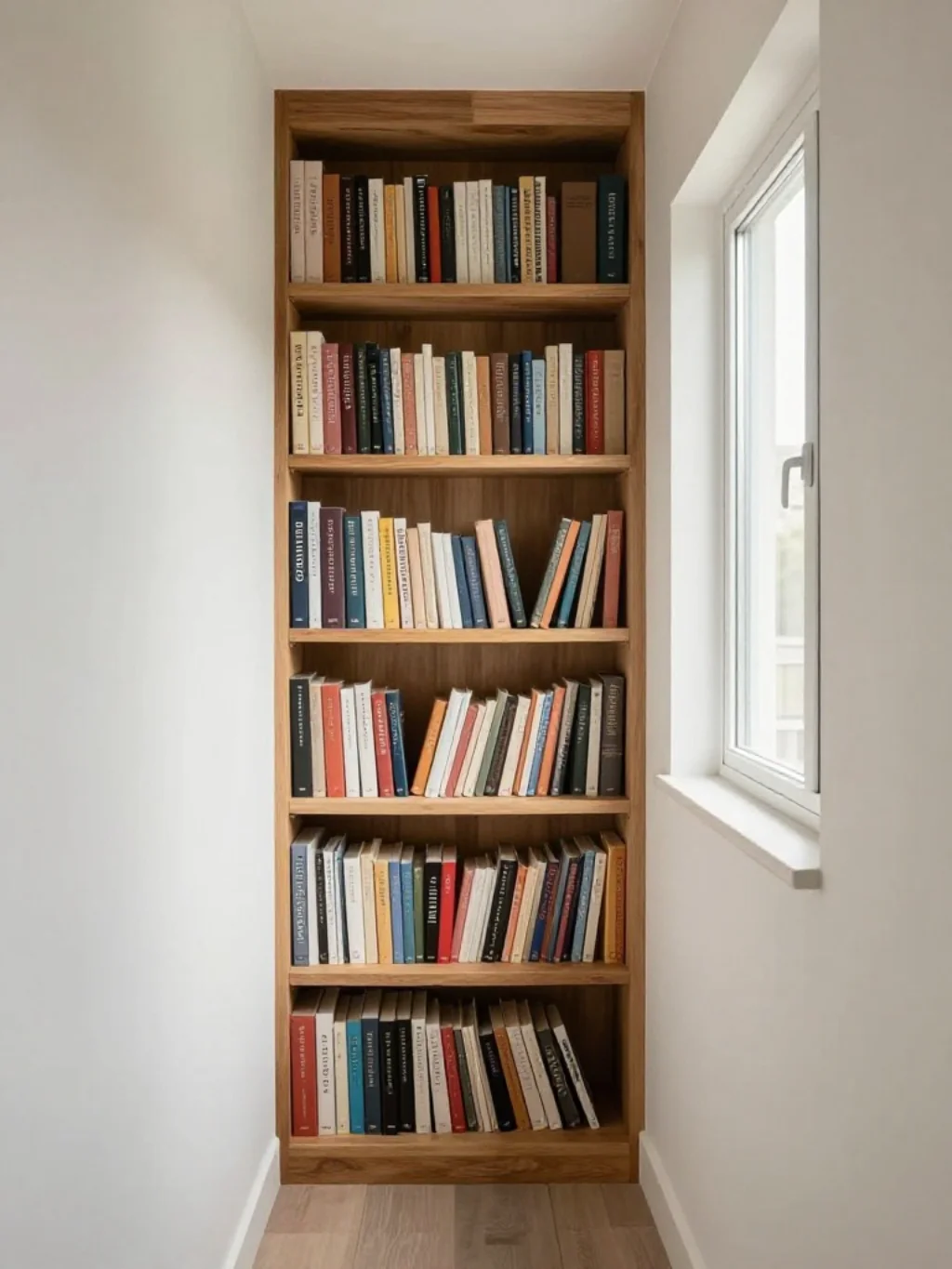
Not every home has a spare room, and that’s okay. A landing, an alcove, or even a wide hallway can become a library corner with the right planning. Natural light and wall space matter more than square footage here.
Think about foot traffic too. A library room layout works best away from noisy zones like kitchens or playrooms. If you’re tackling small space home library ideas, vertical shelving often solves the problem instantly, stretching storage upward instead of outward.
Home Library Design Styles: Modern, Classic & Rustic
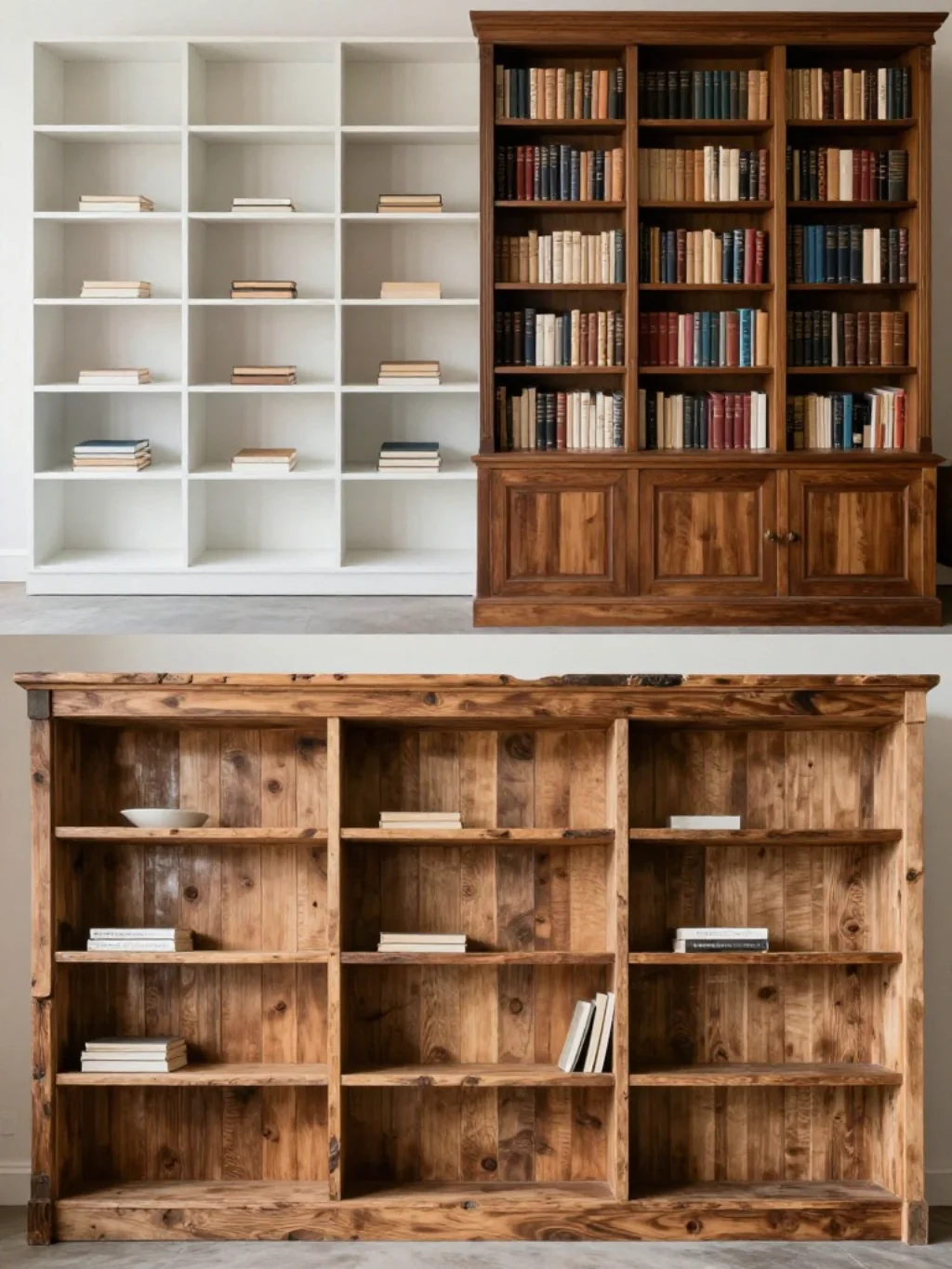
Style sets the tone before a single book gets placed. Modern designs favor clean lines, open shelving, and neutral palettes. Classic styles lean on rich wood tones, crown molding, and leather armchairs that whisper old-world charm.
Rustic library interior design embraces reclaimed wood, exposed beams, and warm lighting for a cozy, lived-in feel. Comparing modern vs classic home library design helps narrow choices fast, since blending both often creates the most inviting, personal result.
How to Plan Your Home Library Layout
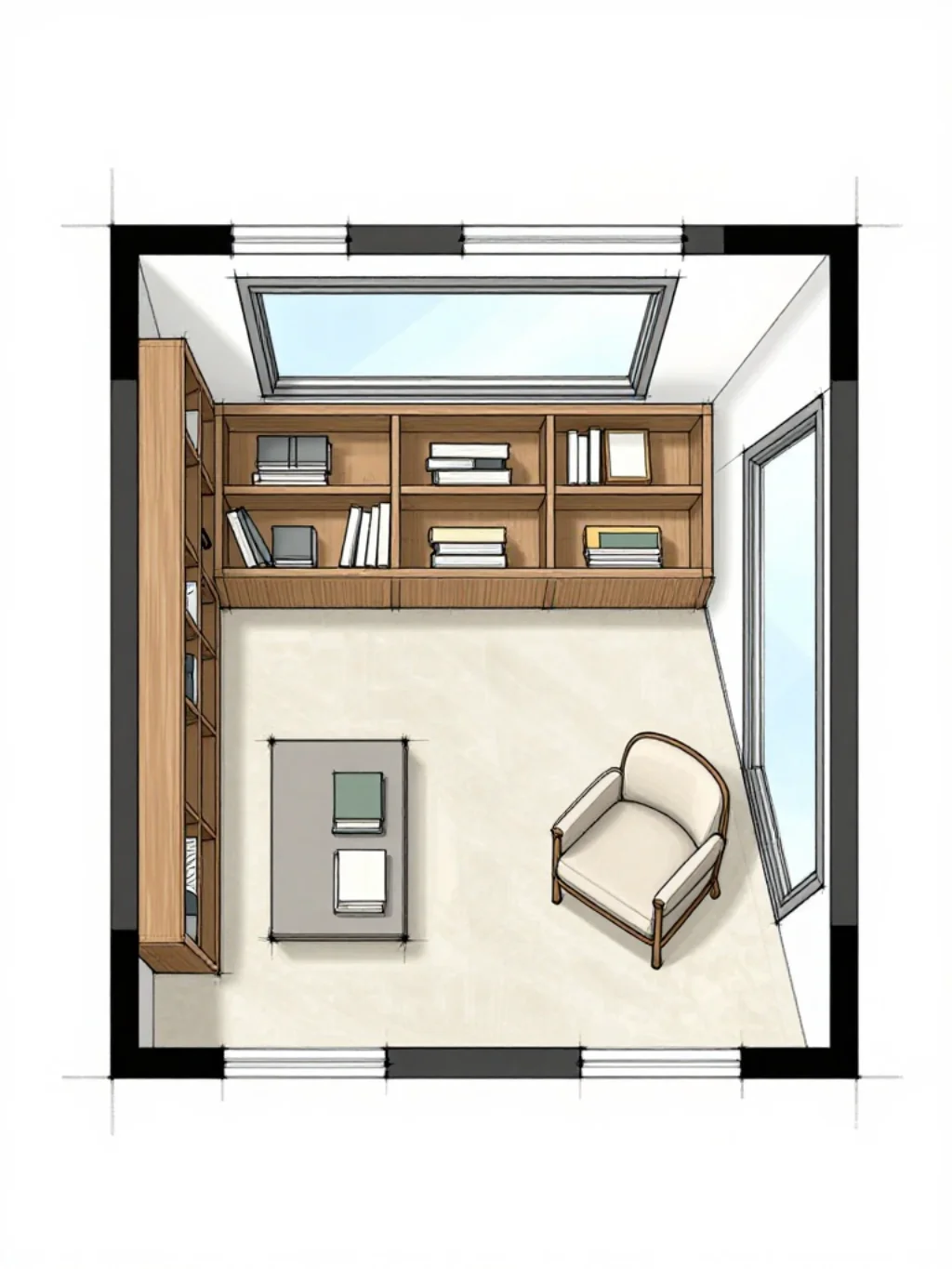
Layout planning starts with traffic flow and sightlines. Map where the door swings, where sunlight lands, and where a chair could catch that light comfortably. Sketch the room before buying a single shelf.
Group seating near a window, and keep bookshelves along solid walls for stability. A smart library room layout balances open floor space with storage density. Following the best home library layout ideas avoids cramped corners and awkward, unused gaps.
Best Bookshelf Designs for Home Libraries
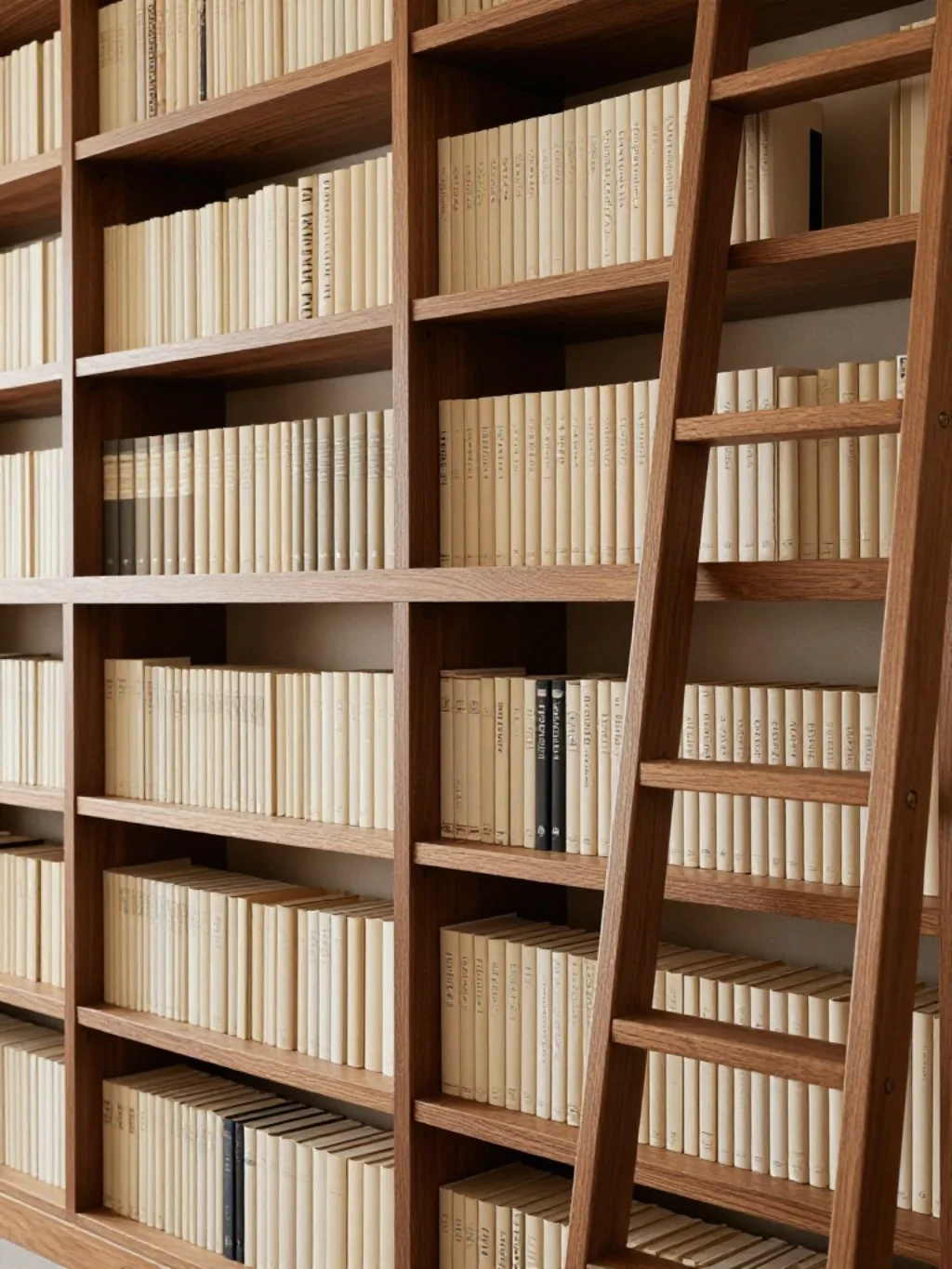
Shelving is the backbone of any library, so choose designs that match both function and style. Floor-to-ceiling units maximize storage, while ladder shelves add a playful, architectural touch to smaller rooms.
Consider adjustable shelving for growing collections and mixed book sizes. Popular bookshelf design ideas include open cube systems, corner units, and modular stacks. A well-planned wooden bookshelf design ages beautifully and often becomes the room’s centerpiece.
Built-In vs Freestanding Bookshelves
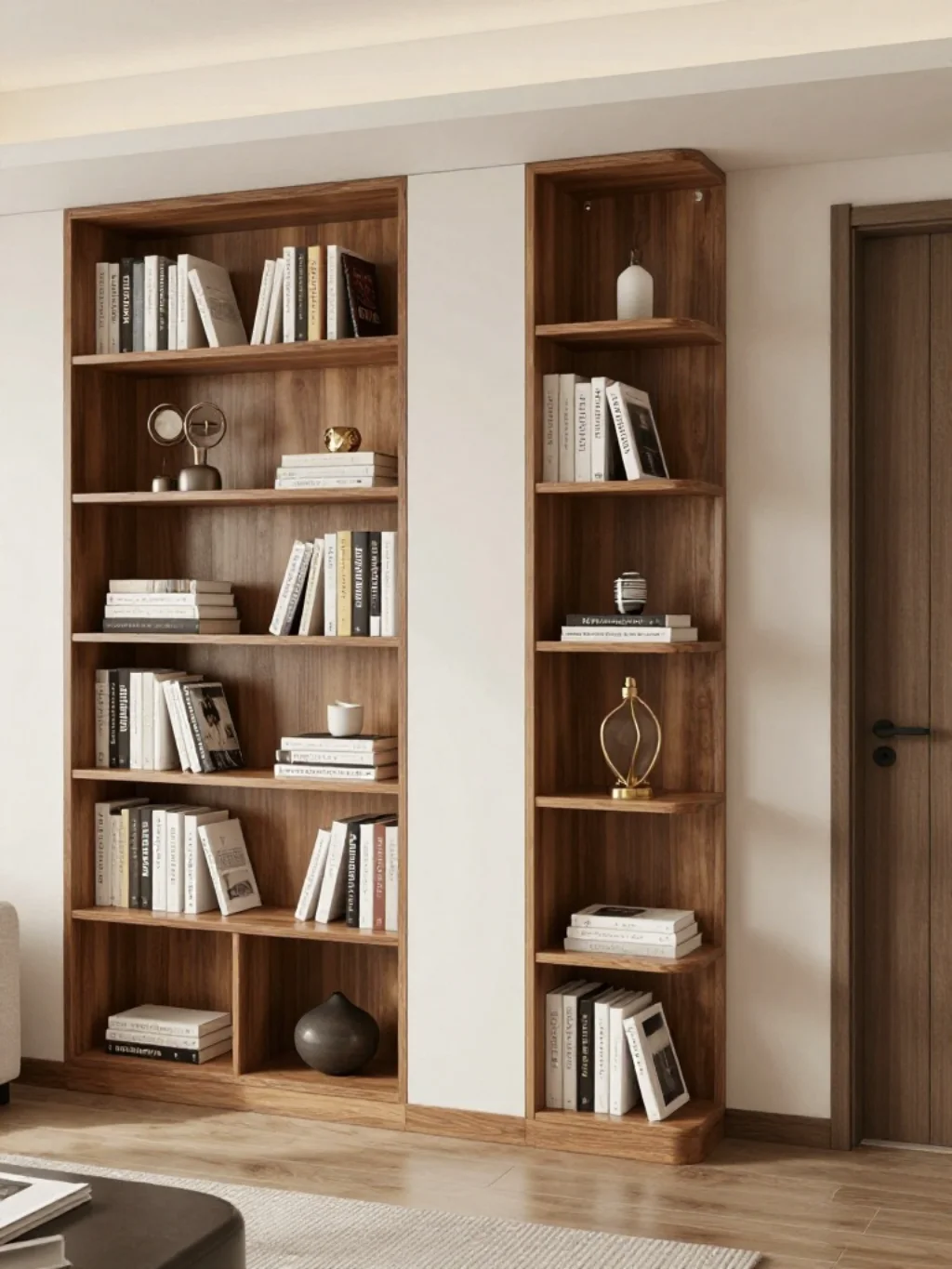
This decision shapes your budget and flexibility for years. Built-in bookshelves offer a tailored, seamless look and use every inch of wall space efficiently, but they require carpentry work and a bigger upfront investment.
Freestanding units, by contrast, move with you and cost less initially. They suit renters and anyone updating their home library furniture over time. Weigh permanence against flexibility before committing to either route completely.
| Feature | Built-In Shelves | Freestanding Shelves |
|---|---|---|
| Cost | Higher upfront | Lower upfront |
| Flexibility | Fixed, permanent | Movable, adjustable |
| Best for | Owned homes | Rentals, flexibility |
| Installation | Professional needed | DIY friendly |
Lighting Ideas for a Home Library
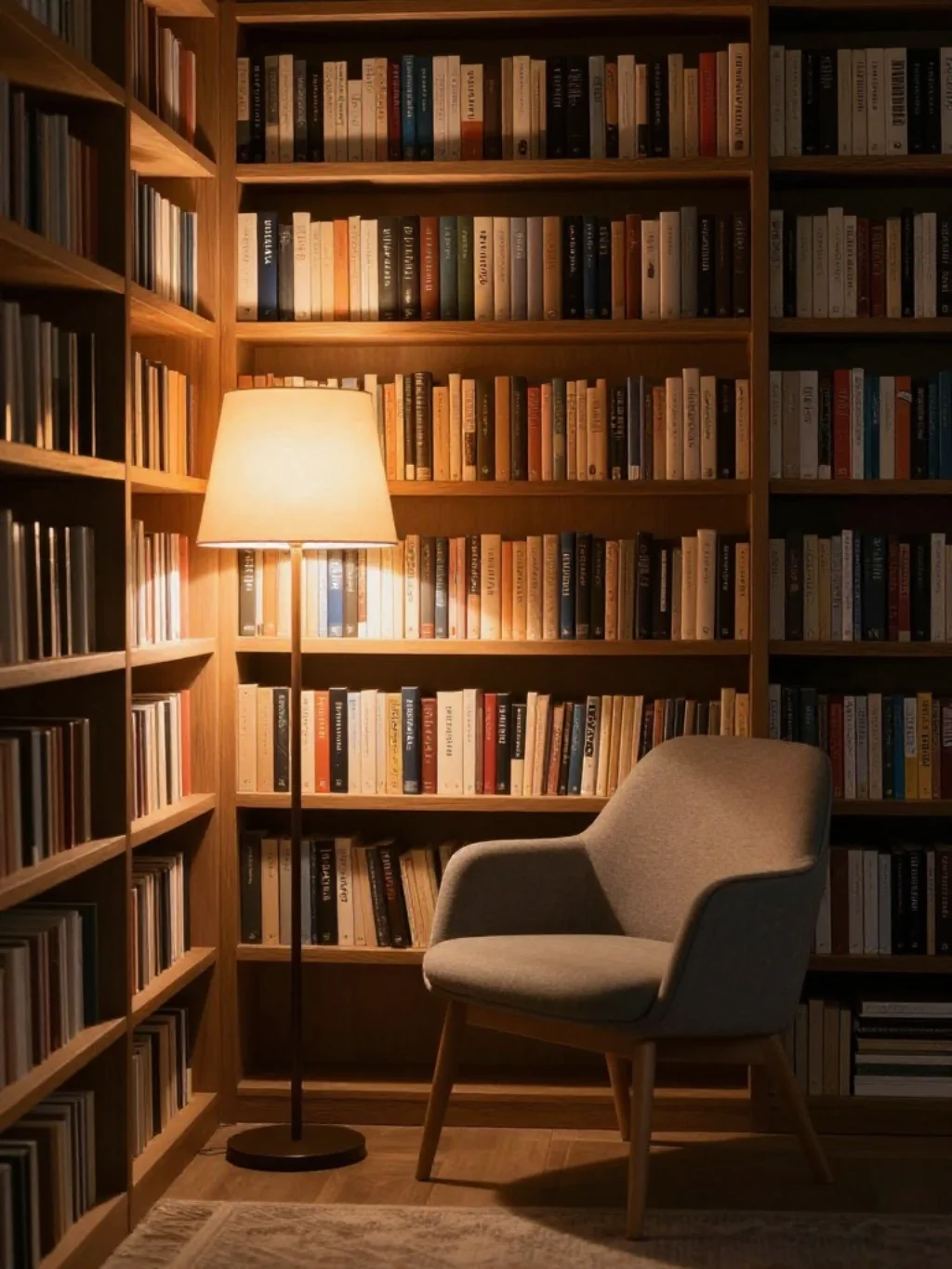
Light quality changes everything in a reading room. Layered lighting, meaning ambient, task, and accent sources combined, prevents eye strain and adds warmth without overwhelming brightness.
Floor lamps beside chairs, picture lights over shelves, and dimmable overheads all support strong home library lighting. Natural daylight remains unbeatable for daytime reading, so position seating near windows whenever your library room layout allows it.
Choosing the Perfect Reading Chair
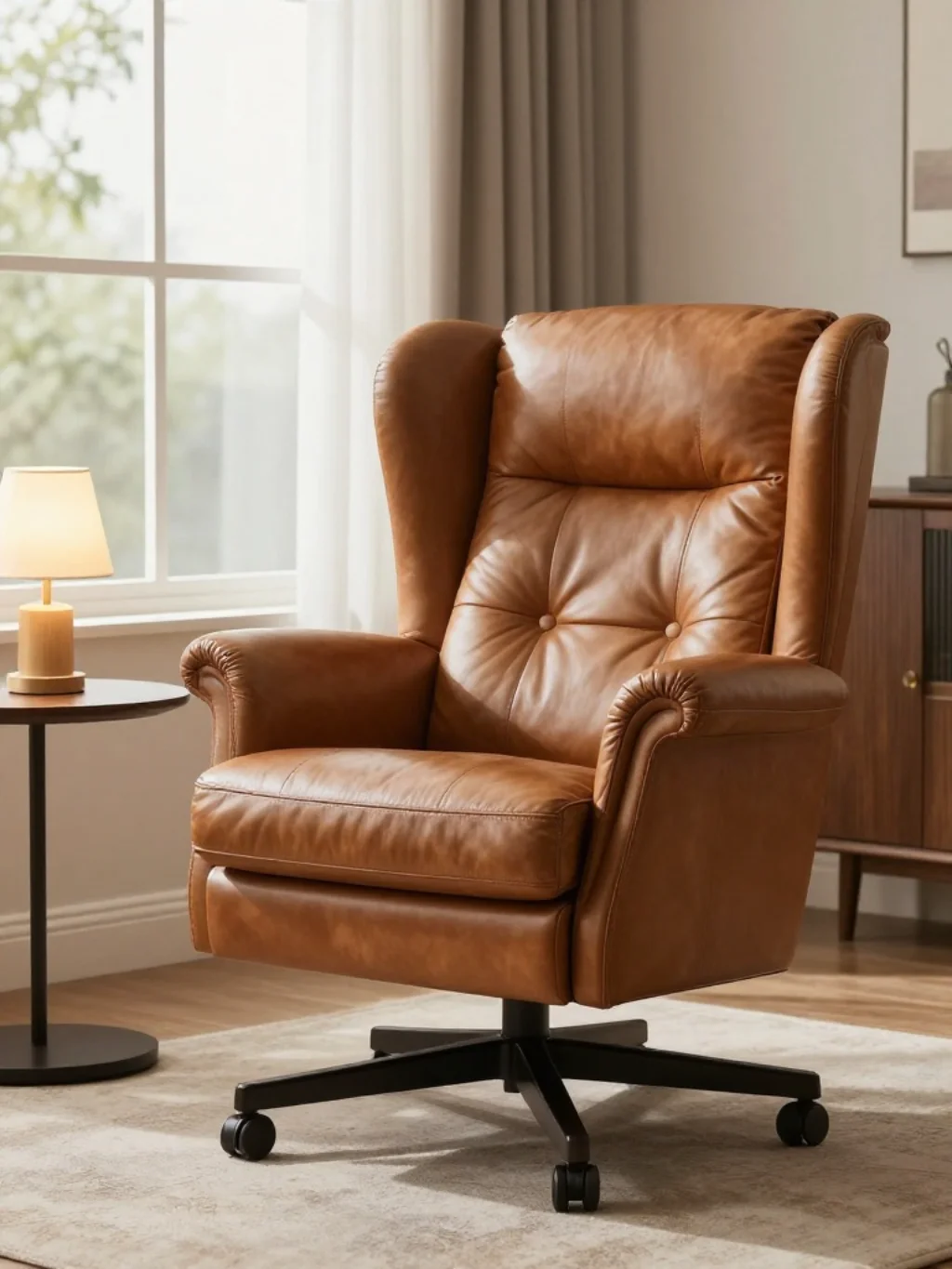
Comfort decides whether a library gets used daily or ignored entirely. Look for chairs with proper back support, generous cushioning, and armrests positioned at a natural height for holding a book comfortably.
Leather wingbacks suit classic rooms, while upholstered accent chairs fit modern spaces. Pair the chair with a small side table for tea or coffee. This single piece often anchors the entire cozy reading corner experience.
Small Home Library Design Ideas
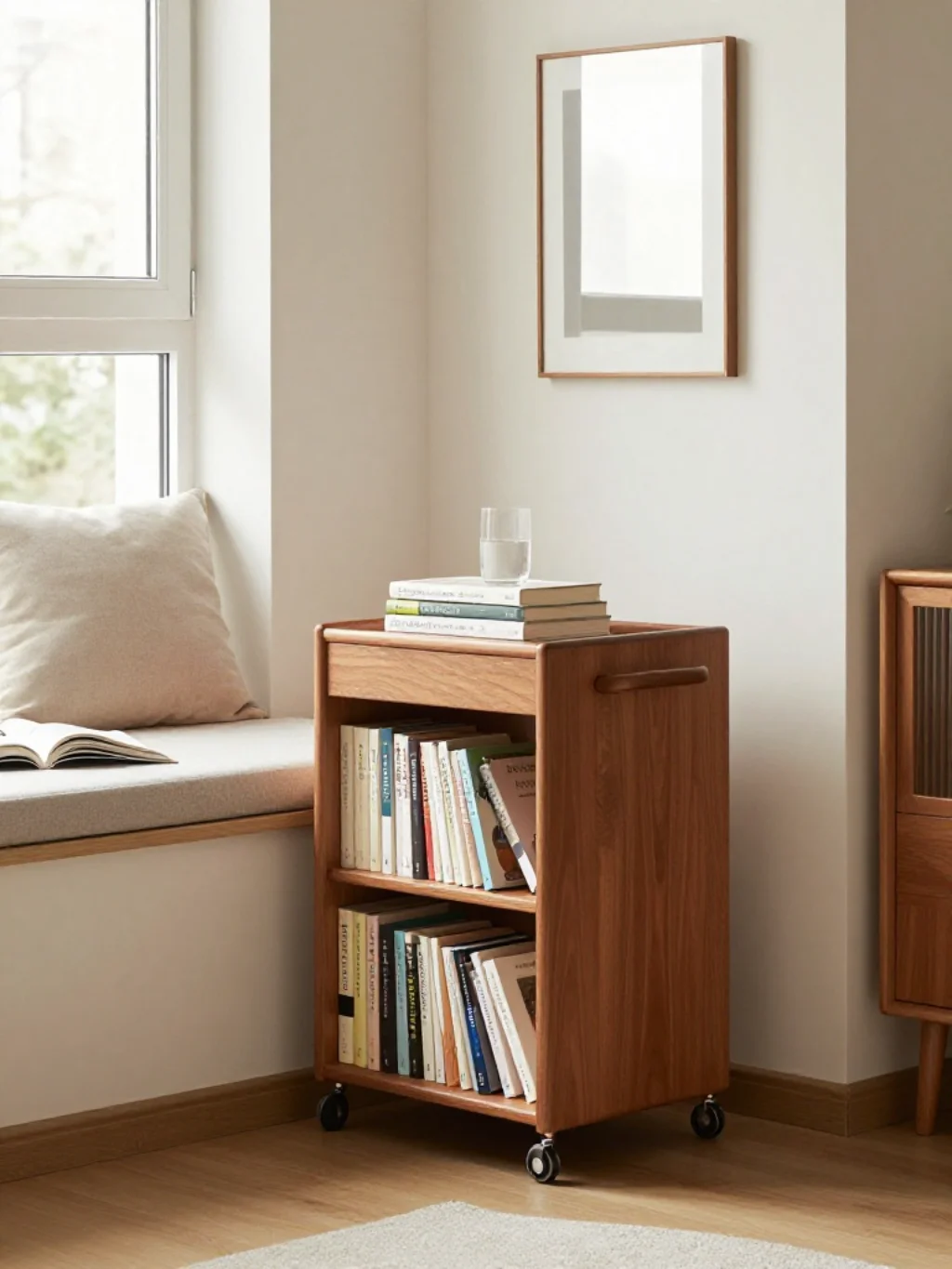
Limited space doesn’t mean limited style. Window seats with hidden storage, over-door shelving, and slim rolling carts all pack function into tight footprints without cluttering the room visually.
Mirrors can visually expand a small library too, bouncing light around the space. For genuine small space home library ideas, prioritize multi-purpose furniture like ottomans that open for extra book storage underneath.
Home Library Color Schemes and Themes
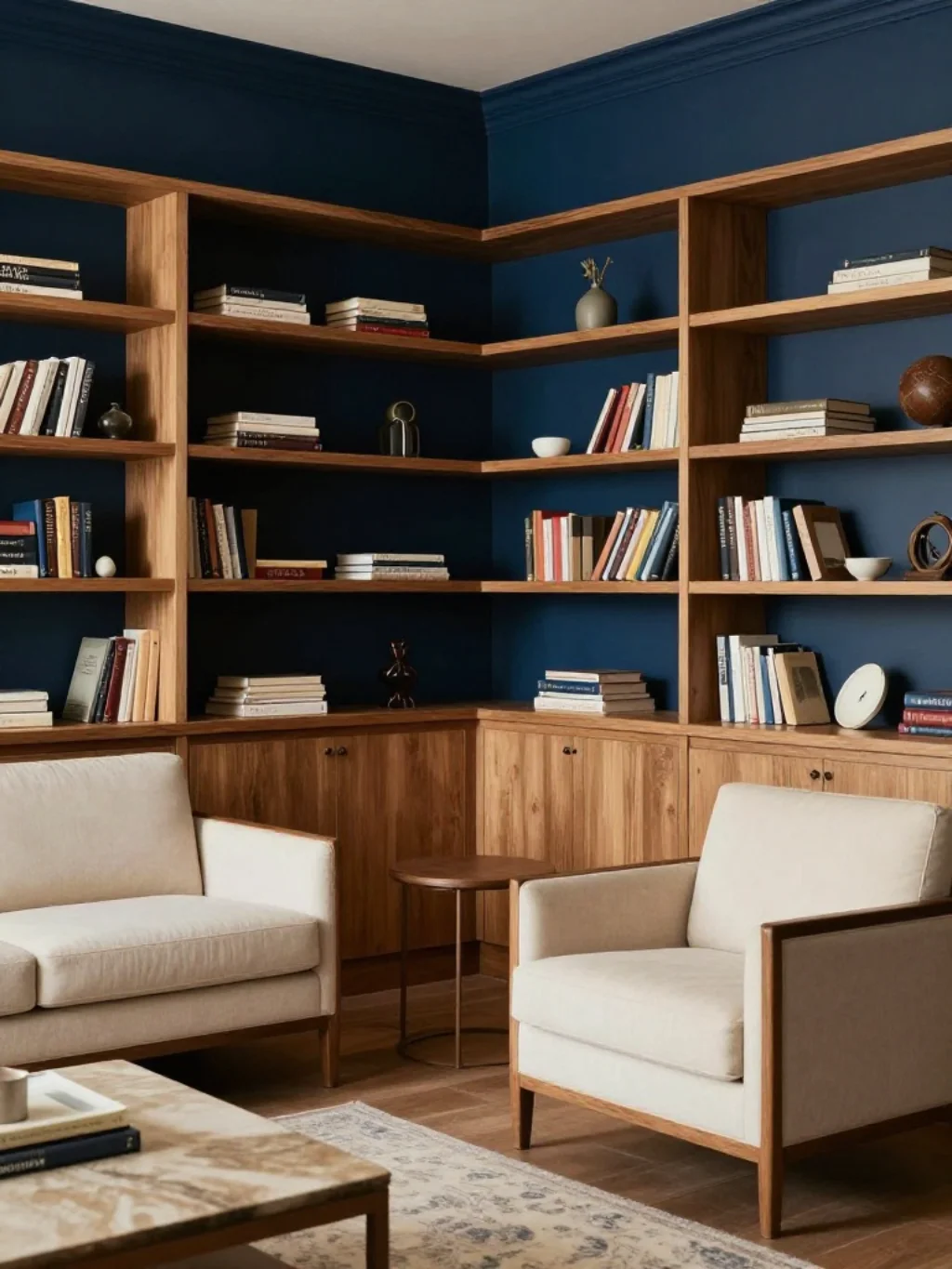
Color influences mood more than most people realize. Deep greens and navy blues create a cozy, scholarly atmosphere, while soft creams and warm whites keep smaller rooms feeling open and airy.
Match your palette to your chosen style for cohesion throughout. Thoughtful home library color schemes tie flooring, walls, and furniture together. Consistent themes make the reading room decor feel intentional rather than accidental or mismatched.
Flooring and Wall Decor for Home Libraries
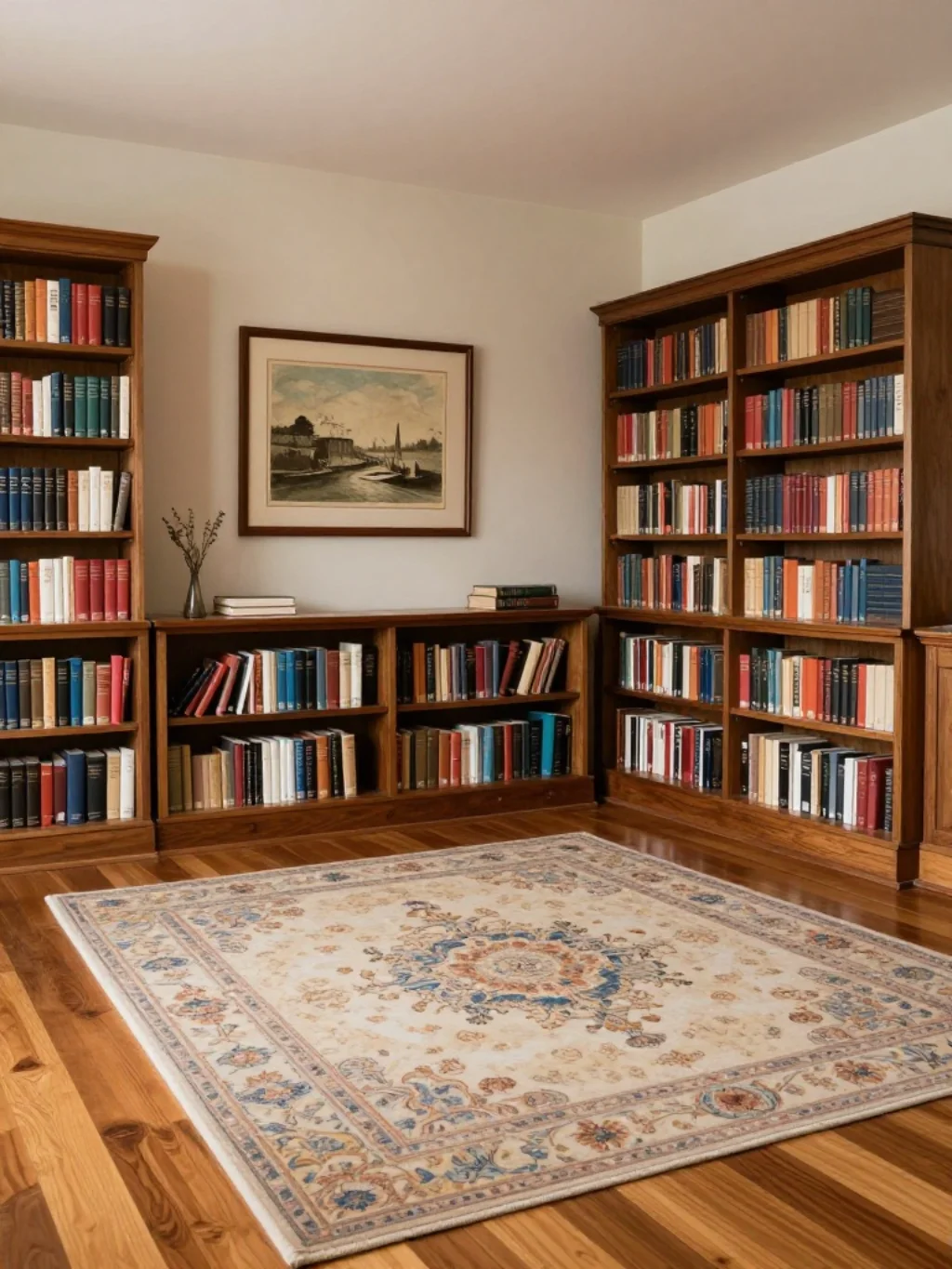
Flooring should feel warm underfoot, especially during long reading sessions. Hardwood paired with a plush area rug balances durability with comfort, and it also helps dampen sound in busy households.
Walls deserve attention beyond just shelving. Framed art, vintage maps, or a feature wallpaper add character quickly. Thoughtful reading room decor choices on walls complete the room’s story without competing with the books themselves.
How to Organize and Categorize Your Books
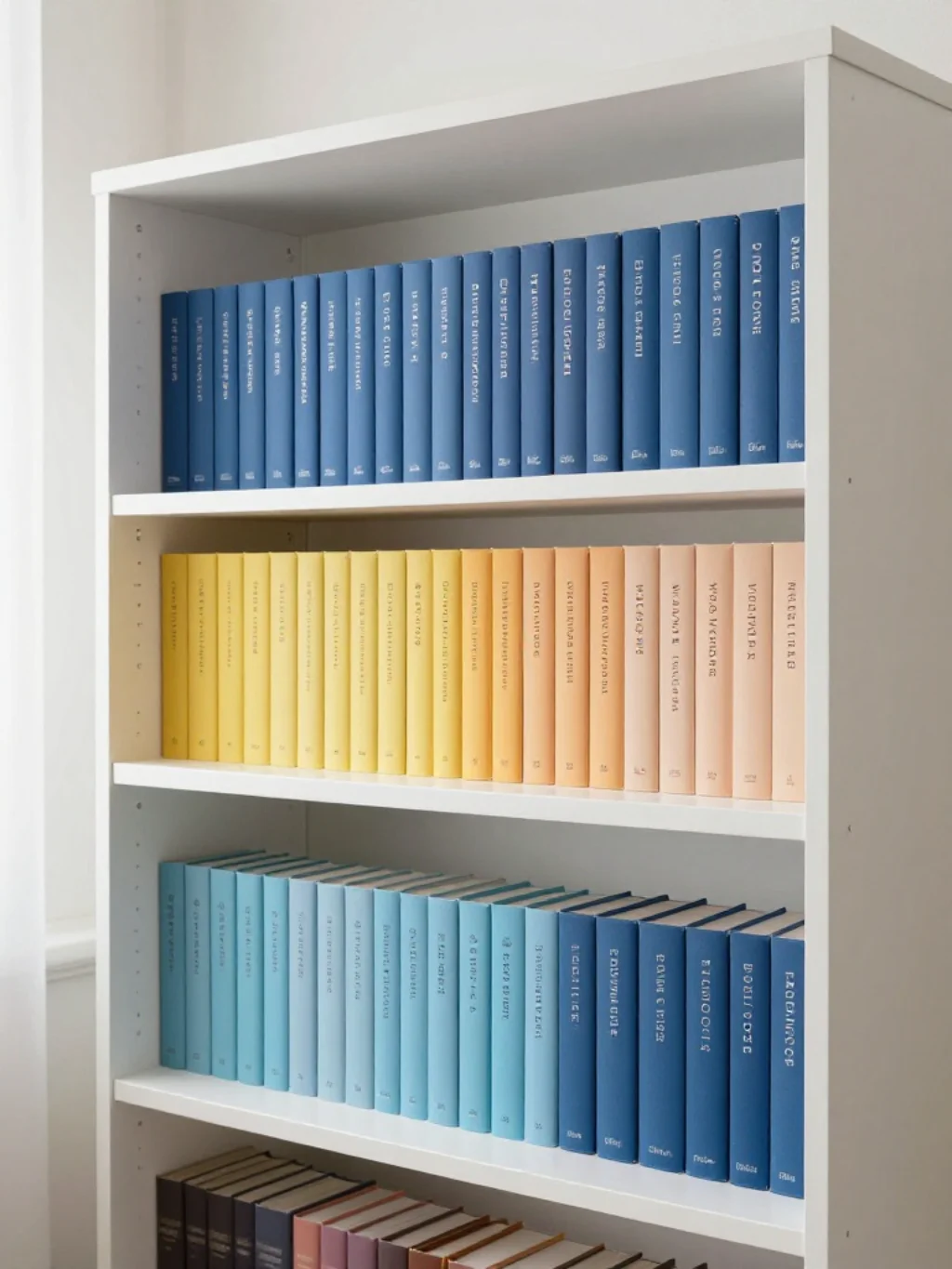
Organization turns a pile of books into a usable library. Sorting by genre, author, or color creates different browsing experiences, each with its own charm and practicality depending on collection size.
Digital cataloging apps help track loans and locations easily. If you’re unsure how to organize books at home, start with broad categories first, then refine further. Strong home library organization saves time searching later.
Adding a Reading Nook to Your Library
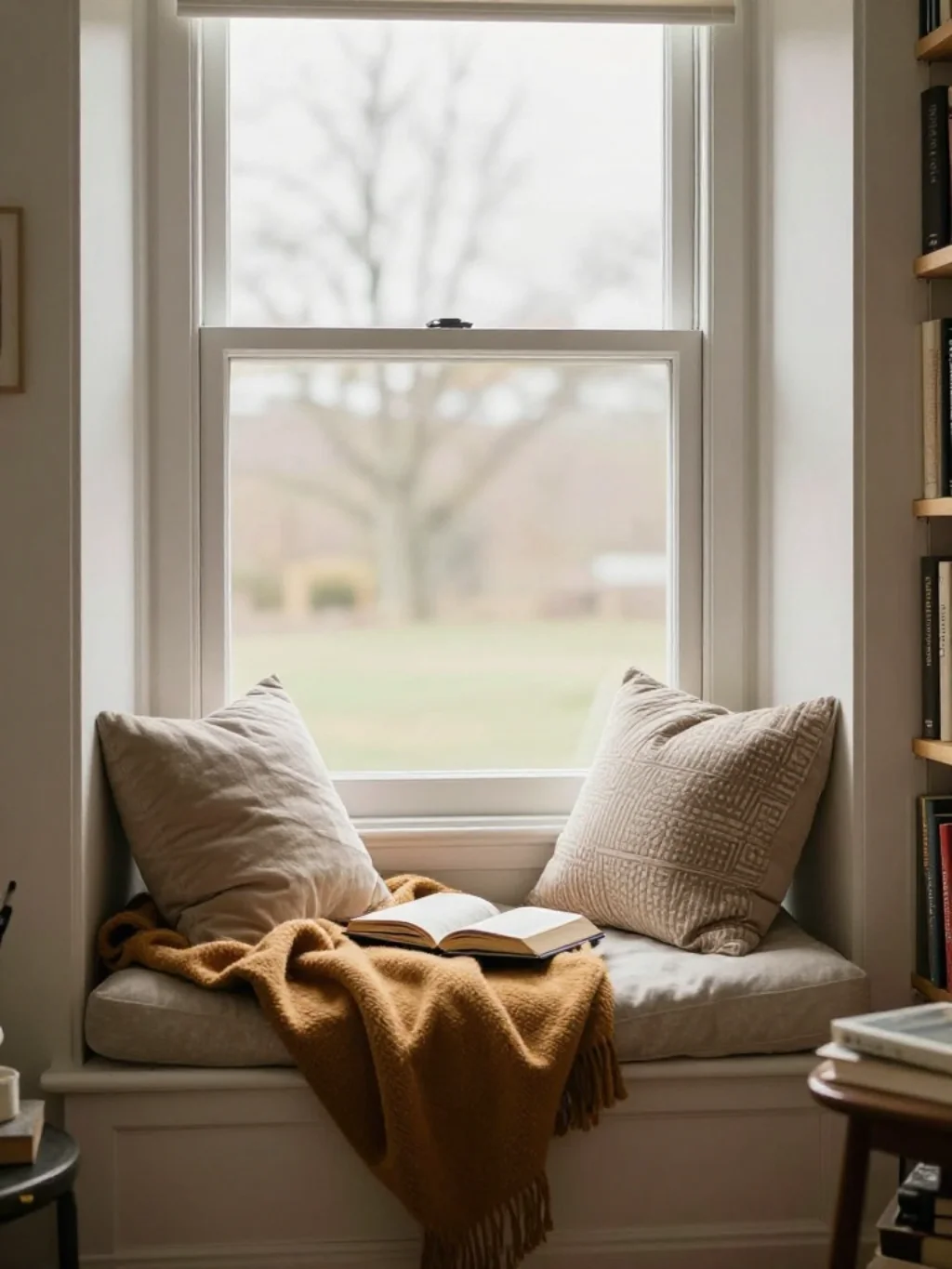
A reading nook gives the room a focal point beyond shelving. Window bays, built-in benches, or a simple corner with floor cushions all qualify, provided the spot feels private and inviting.
Soft textiles like throws and cushions instantly boost comfort here. This dedicated cozy reading corner becomes the emotional heart of the library, the spot people gravitate toward when they finally sit down to read.
Budget-Friendly Home Library Ideas
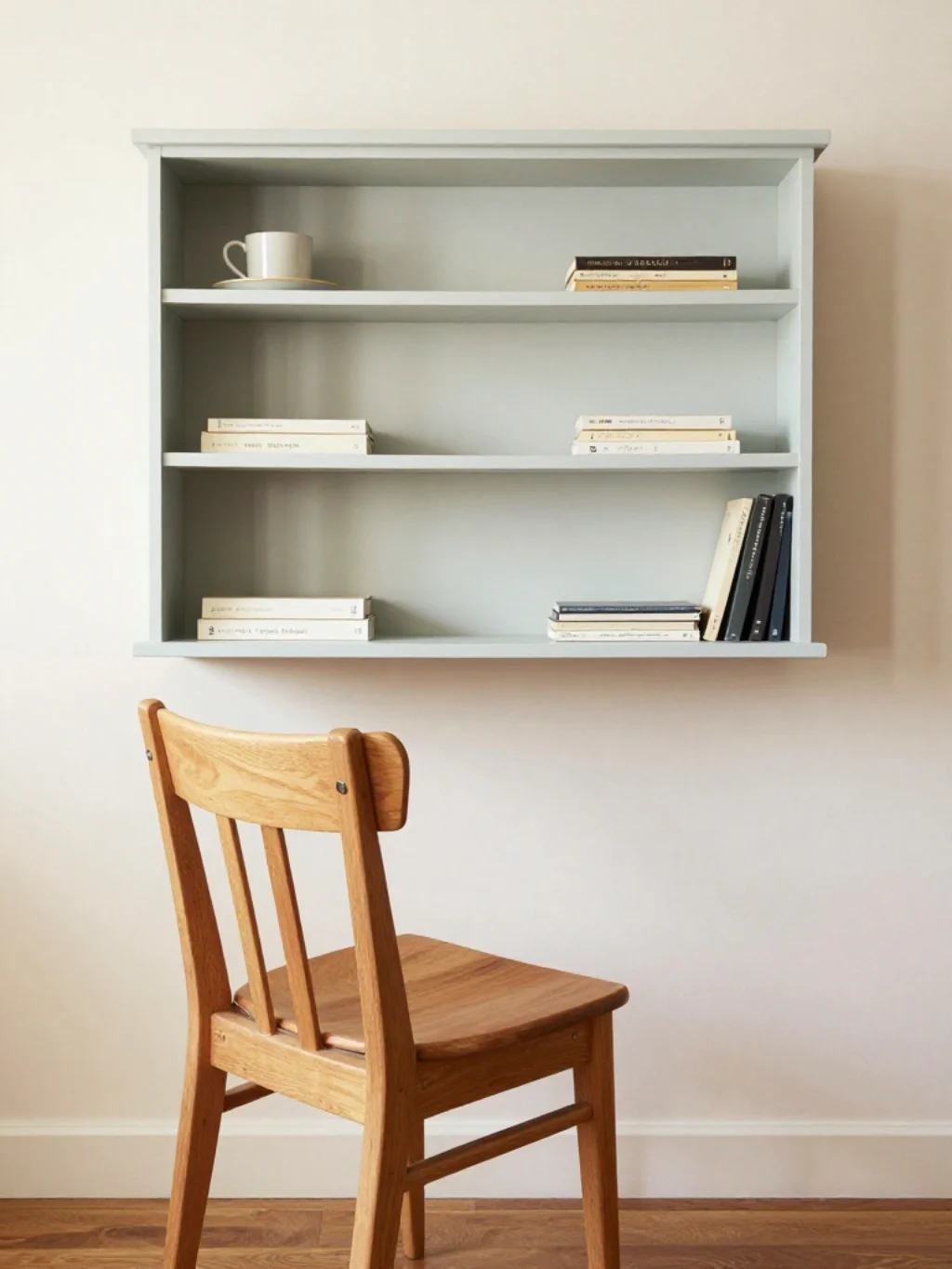
Building a library doesn’t require a huge budget. Secondhand shelving, thrifted chairs, and DIY paint projects stretch funds significantly while still delivering a polished, finished look.
Focus spending on one statement piece, like a reading chair, and save elsewhere. These practical budget-friendly home library ideas prove that how much does a home library cost depends entirely on choices, not necessity or luxury spending.
Home Library Storage Solutions
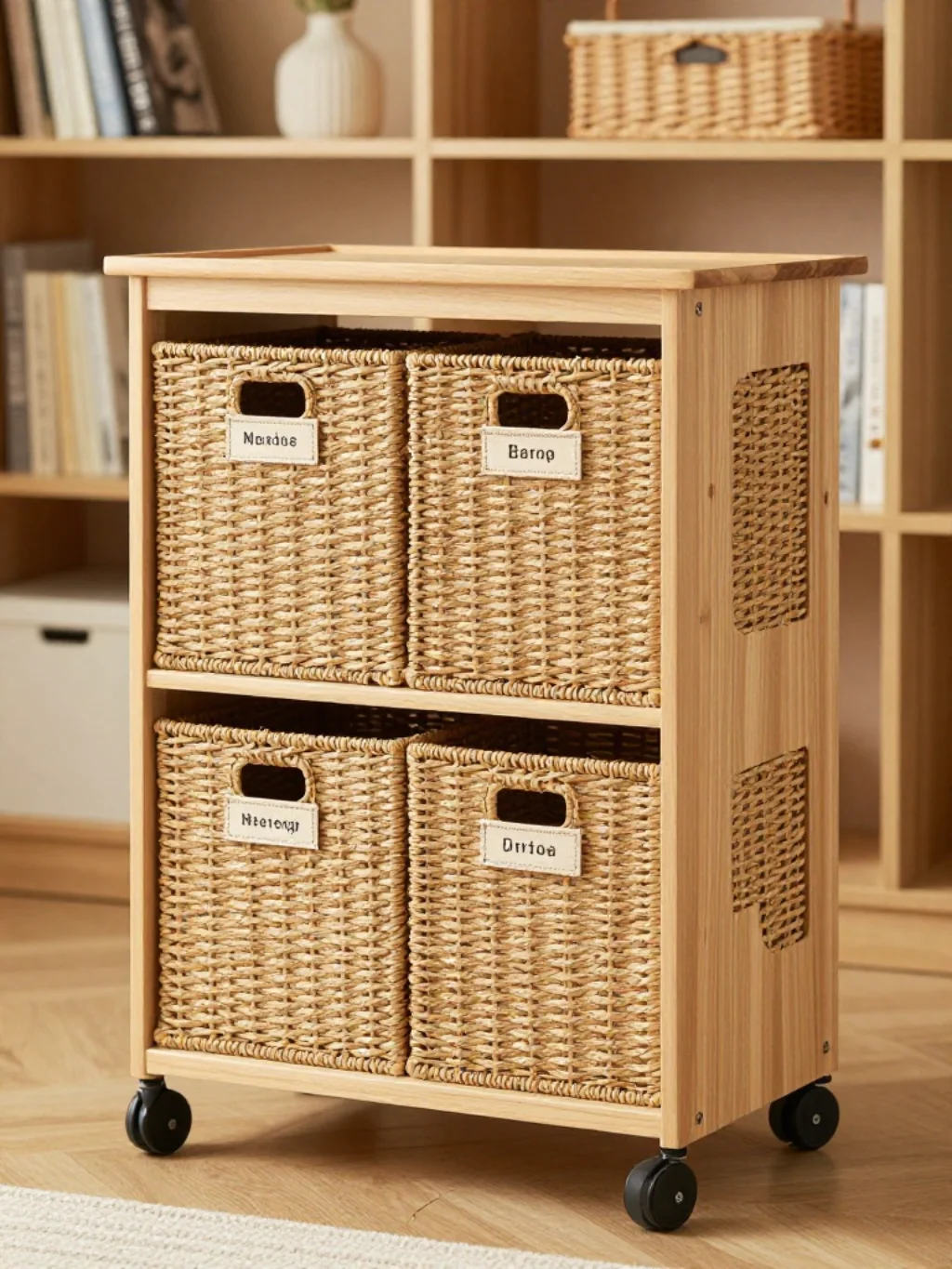
Storage extends beyond shelves alone. Baskets, drawer units, and labeled bins keep magazines, notebooks, and reading accessories organized without cluttering visible surfaces or shelf space unnecessarily.
Vertical storage solves space issues in smaller rooms effectively. Rolling carts add mobility for multi-room households. These flexible book storage ideas keep the library tidy while supporting a growing, evolving collection over time.
Common Mistakes to Avoid in Home Library Design

Overcrowding shelves ranks among the most frequent errors people make. Leave breathing room between books and decor pieces so the space doesn’t feel visually overwhelming or chaotic to guests.
Poor lighting placement causes glare and shadows too often. Beginners tackling home library design for beginners should also avoid ignoring seating comfort, since a beautiful room without a proper chair rarely gets used regularly.
you may can also like this:Sunroom Decorating Ideas: 15 Ways to Transform Your Space into a Cozy Retreat
Final Tips for Designing the Perfect Home Library
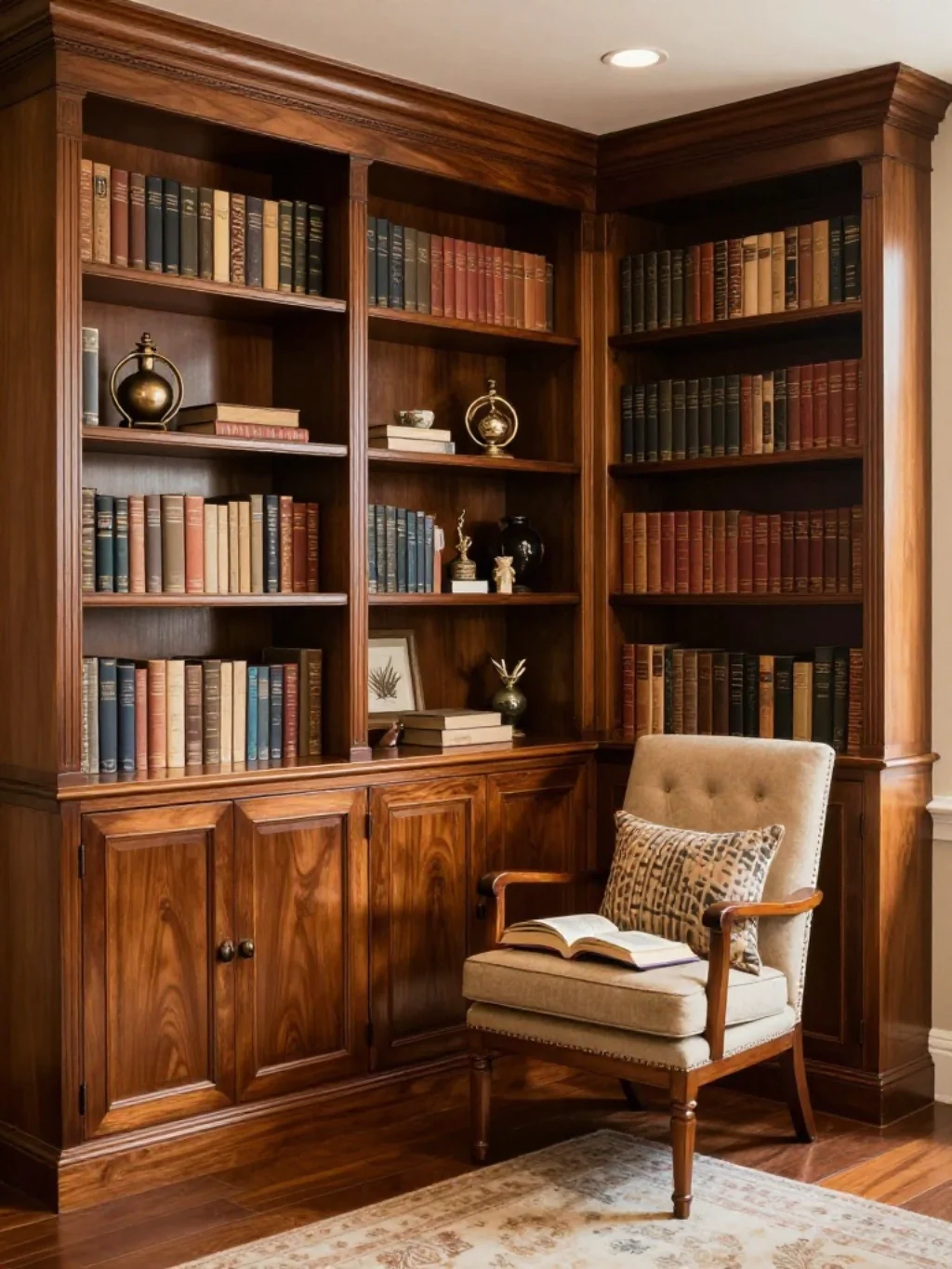
Great libraries evolve slowly, so avoid rushing every decision at once. Start with core furniture, then layer in decor, lighting, and personal touches as your collection and taste naturally develop over time.
Whether you’re exploring how to build a home library on a budget or planning a full renovation, consistency matters most. Solid home library design choices, made thoughtfully, create a room you’ll genuinely love for years.

One Comment